


Robert’s Cichlid
Limbochromis robertsi

Robert’s Cichlid
Limbochromis robertsi
CC goal
16 breeders
Status 05/2026
CC goal
215 animals
Status 05/2026

CC goal
16 breeders
Status 05/2026
CC goal
215 animals
Status 05/2026
Roberts’ cichlid is a highly specialised and extremely rare fish from West Africa. It lives only in small, clear forest streams in Ghana and, like many other freshwater species whose habitats are under pressure worldwide, is facing extinction. Its biological uniqueness and dramatic endangerment make Limbochromis robertsi a species whose protection through human care is essential.
Small streams, big risk

An intact habitat for Limbochromis robertsi, which remains cool and clear thanks to the shade. In 2018, several adults and juveniles were still discovered here.
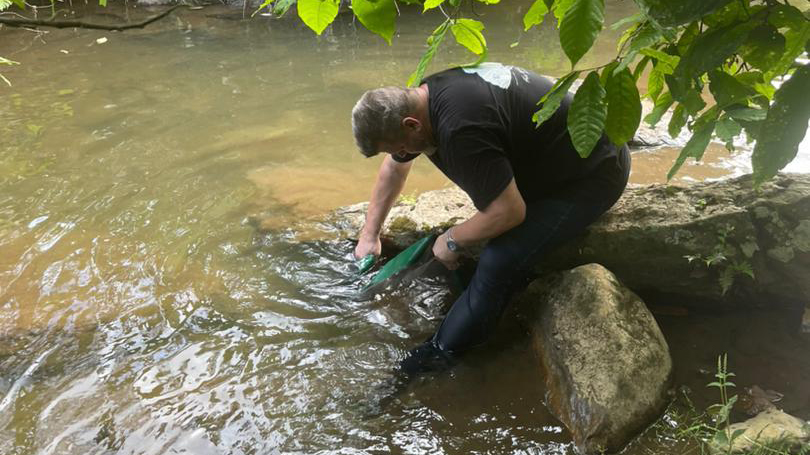
Five years later, the water still looked good, but far fewer fish of this species were sighted. Only one specimen was captured on camera.
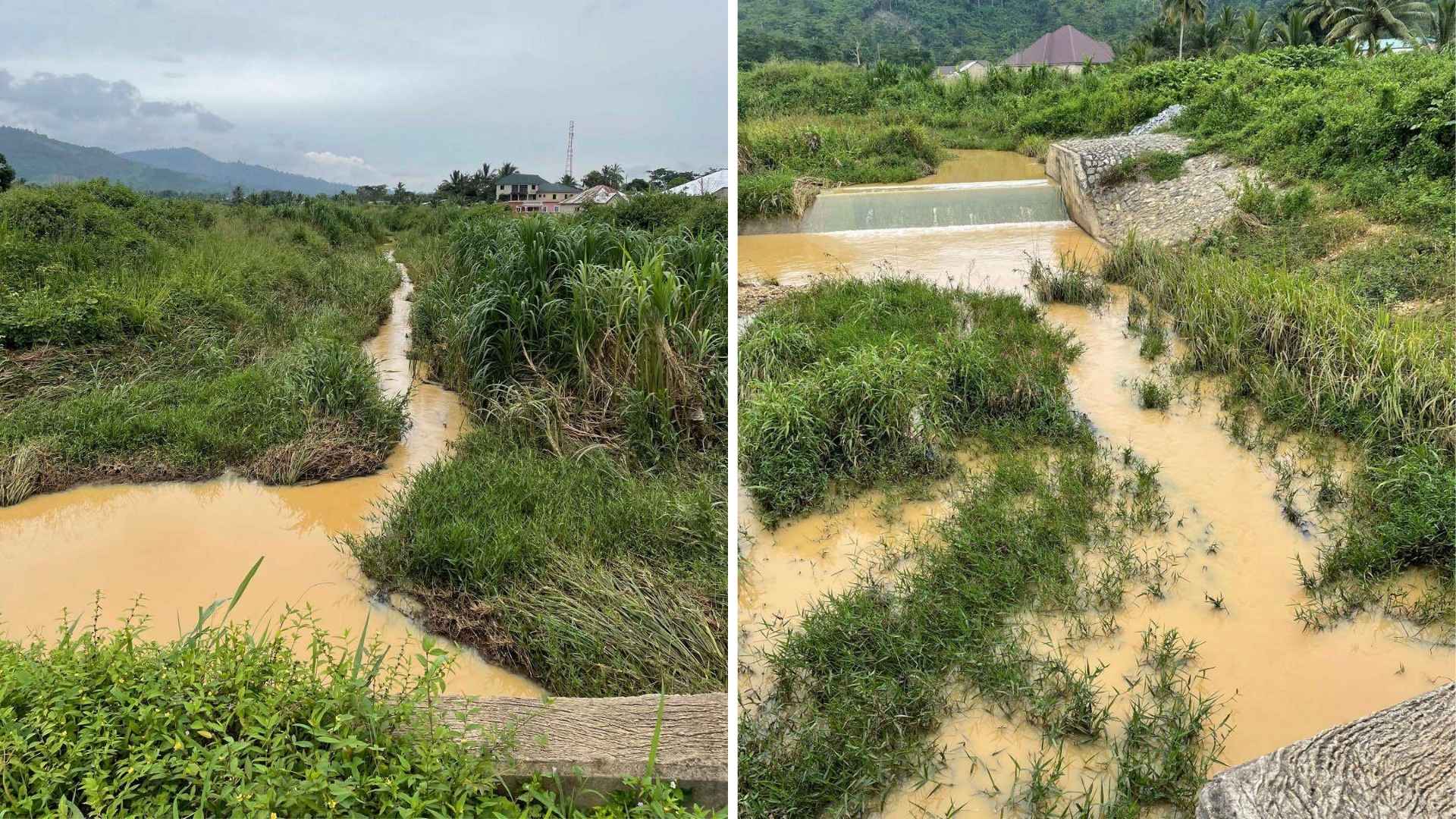
By June 2025, the picture was devastating – the river had been completely destroyed by illegal mining, deforestation and sedimentation.

At the end of 2025, a new search operation will be conducted in the rivers around Black Krensen in the hope of continuing to find animals of this species.
Ghana's endangered pearl
Limbochromis robertsi is only known from an extremely small, fragmented area in the upper Pra River system in eastern Ghana – mainly around Kyebi. In another original distribution area in western Ghana, the species has not been sighted for 20 years.
The species lives in small, shaded and fast-flowing rainforest streams with sandy or fine gravel substrate and many rocks or stones. These streams are only a few metres wide and a maximum of half a metre deep. However, this habitat has now been almost completely destroyed. The main drivers are illegal small-scale mining, primarily for gold panning, deforestation, road construction, and sewage and pesticides washed into the rivers by agriculture. The habitat is becoming increasingly fragmented. More and more riparian vegetation is being lost, leading to the loss of natural shade and thus to massive heating of the streams and destruction of the caves and crevices that are important for the species.
"Freshwater fish are important indicators of the health of the entire aquatic ecosystem."
© Stefan Inselmann
Freshwater fish in danger
This threat is not an isolated case: freshwater ecosystems worldwide are losing a disproportionate number of species, but the threat to fish often takes a back seat while other key species receive more attention. Yet freshwater fish are important indicators of the health of the entire aquatic ecosystem – declines or problems in these species often reflect larger ecological disturbances. According to a study published by the IUCN in 2025, nearly a quarter of all freshwater fish are endangered, and many populations are declining dramatically due to habitat loss, deteriorating water quality and the fragmentation of river systems.
Limbochromis robertsi is a prime example of this global crisis in freshwater biodiversity. Between the early 1990s and 2021, the total population of this species collapsed by about 95%. Today, there are estimated to be fewer than 1,000 individuals – spread across three tiny, shallow streams that are isolated from each other.
The transition from cave breeders to mouth breeders has not yet been observed in any fish except Roberts cichlid. © Stefan Inselmann
Varied breeding strategy
Limbochromis robertsi is a remarkable species, not only because of its very small distribution area, but also because of its unique reproductive behaviour. The animals have flexible breeding behaviour and can switch between two completely different strategies, as they are pair-forming cave breeders with tendencies towards mouthbrooding.
The pair seeks out a cave or crevice at the bottom of the water, lays the eggs there and fertilises them. After the young hatch, they are placed in pits dug by the parents at the bottom of the cave. About two days after laying the eggs, the female or male can take in the hatched larvae and turn their mouth into a brood chamber until the young are able to swim freely. The pair remains bonded even then. The two forms of brood care can alternate during a reproductive period. This makes Limbochromis robertsi the only species with this combination of cave and mouthbrooding behaviour. This unusual breeding behaviour makes the cichlid species not only biologically interesting, but also valuable for scientific observation and conservation breeding.
How fish care for their offspring
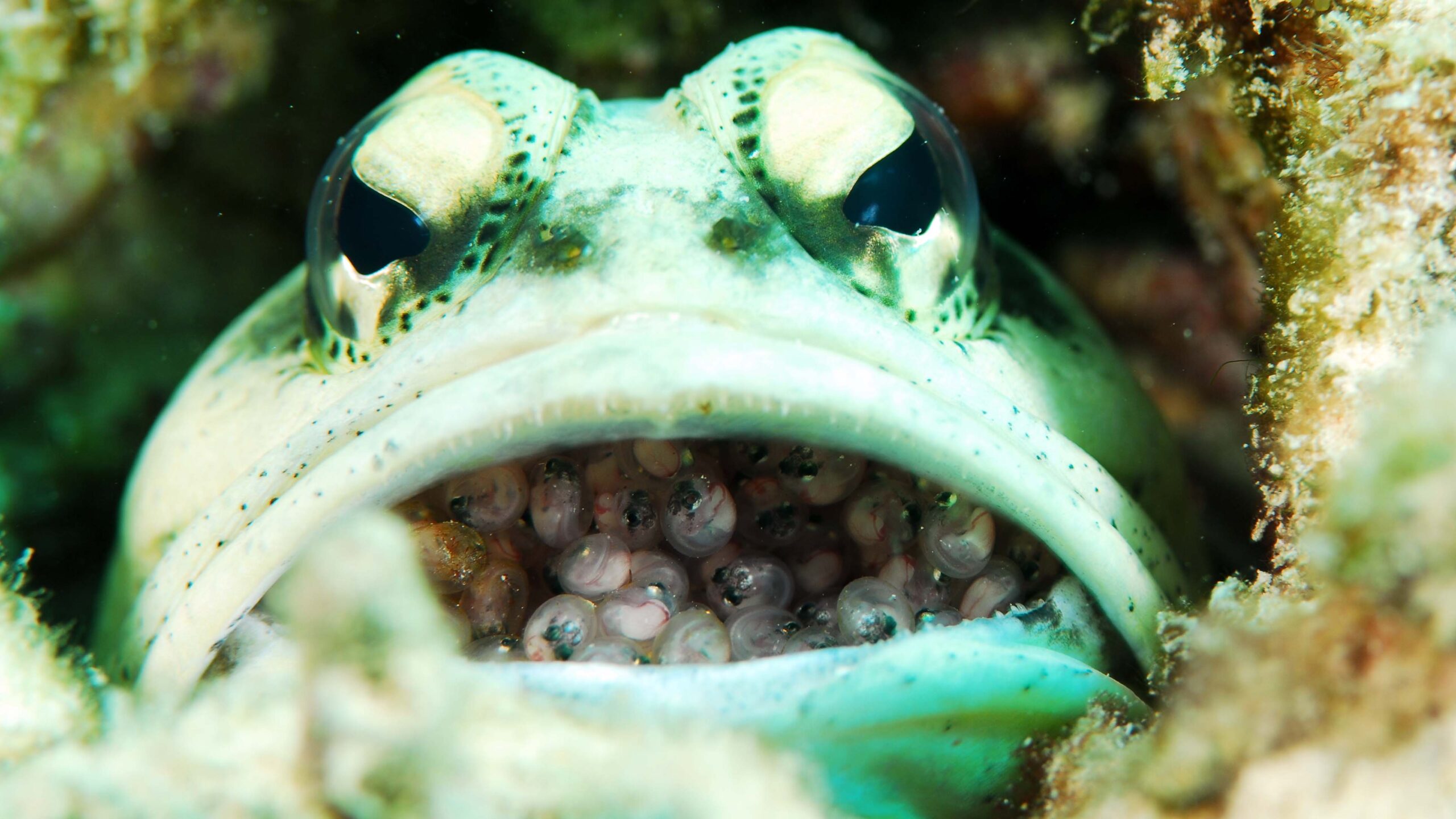
Eggs or larvae are carried in the mouth of one of the parents until the young fish are independent. This mouthbrooding strategy is used by well builders, such as Opistognathus dendriticus
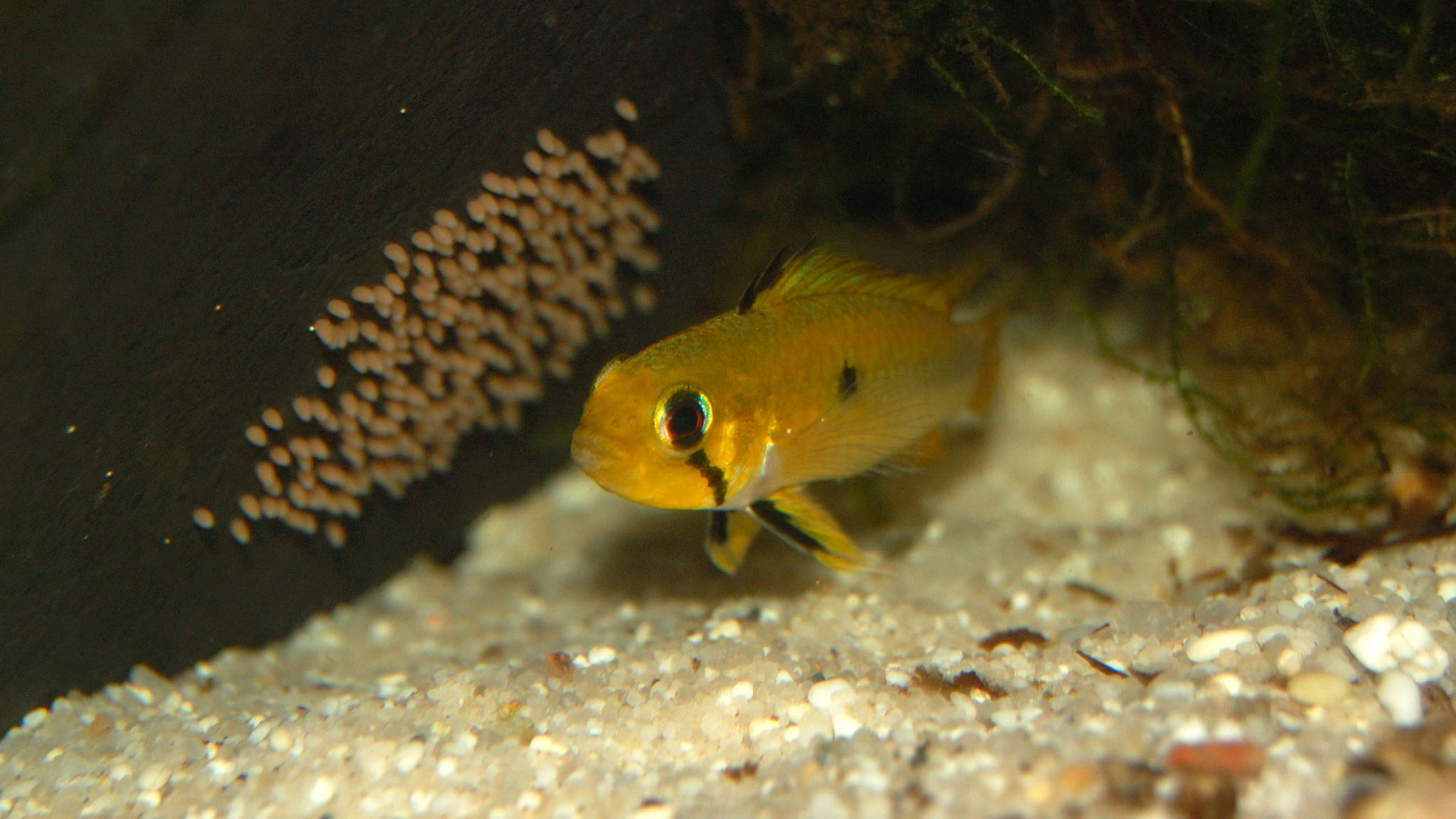
„Safe nursery under cover“ – The brood is hidden in caves, crevices or under roots and defended intensively; the female often takes on the main care. The Apistogramma trifasciata shown here belongs to the cave breeders.
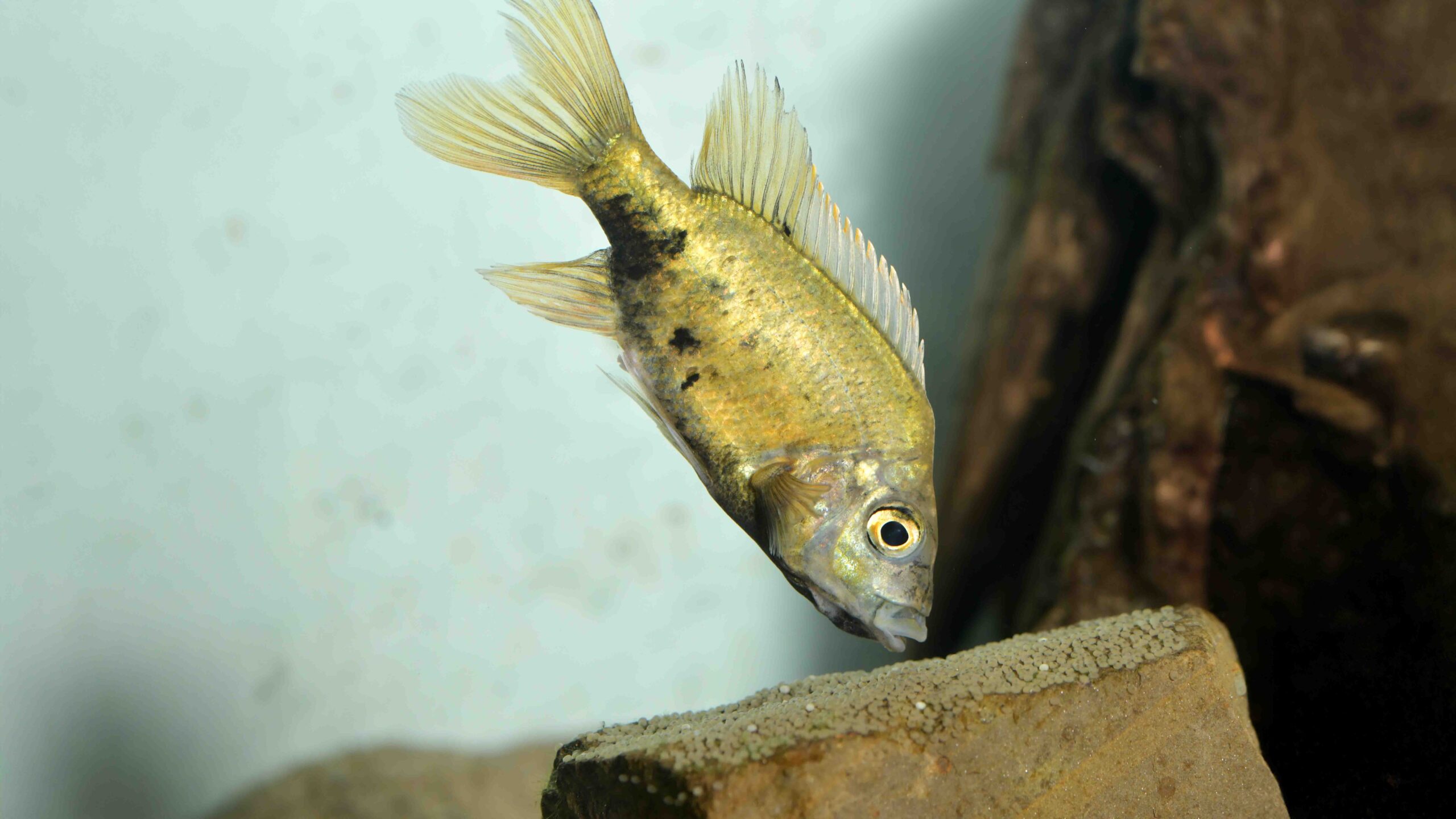
"Eggs laid in the open, guarded by the parents" – The eggs are laid in a clearly visible location on leaves, stones or roots and are guarded and fanned by the parents. Open breeders include cichlids such as Loiselle's Cichlid.
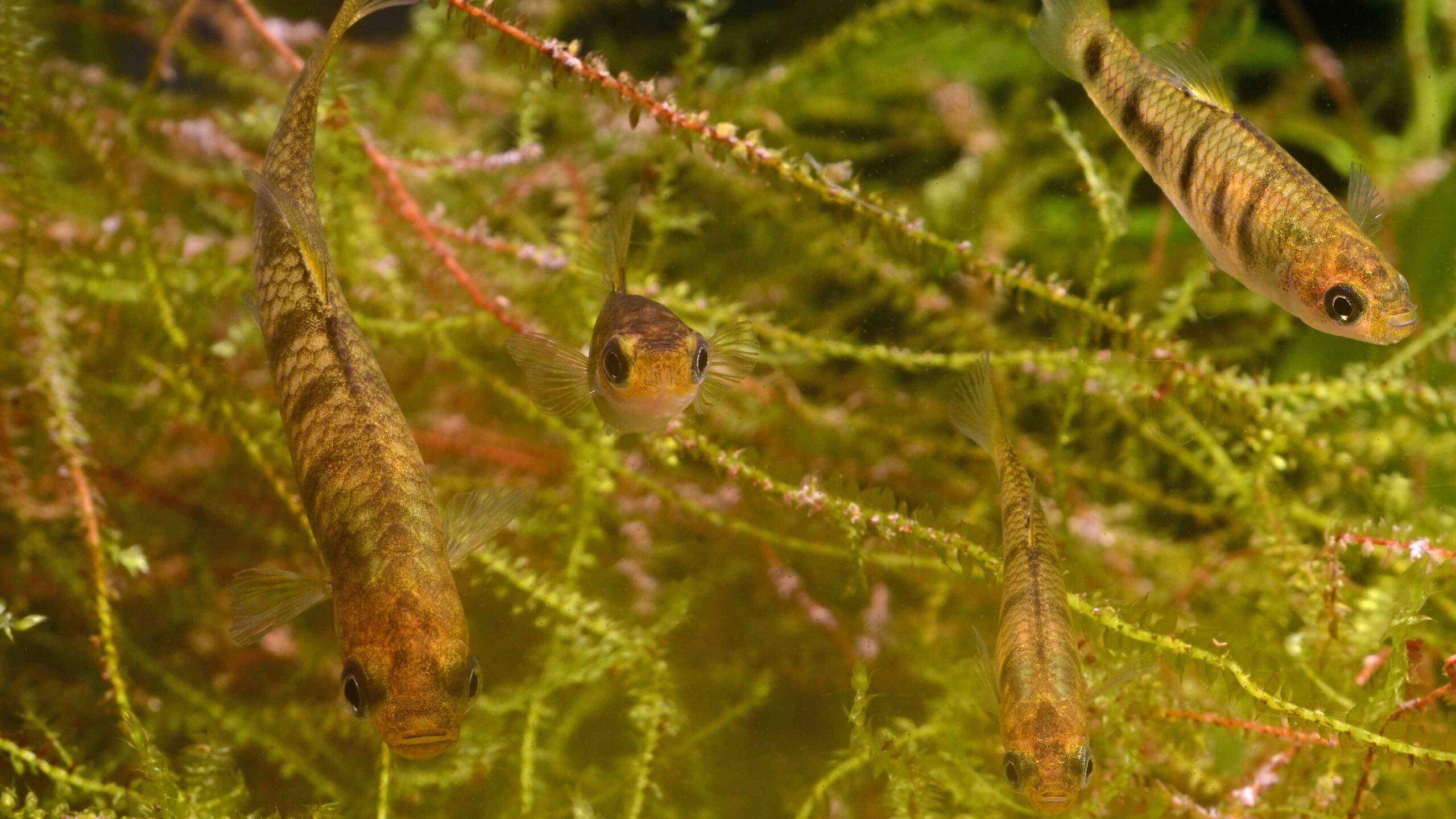
"Young are born fully developed" – The embryos develop inside the female's body. Instead of laying eggs, mobile young are born immediately, as in the case of the Tiger Limia, Limia islai.
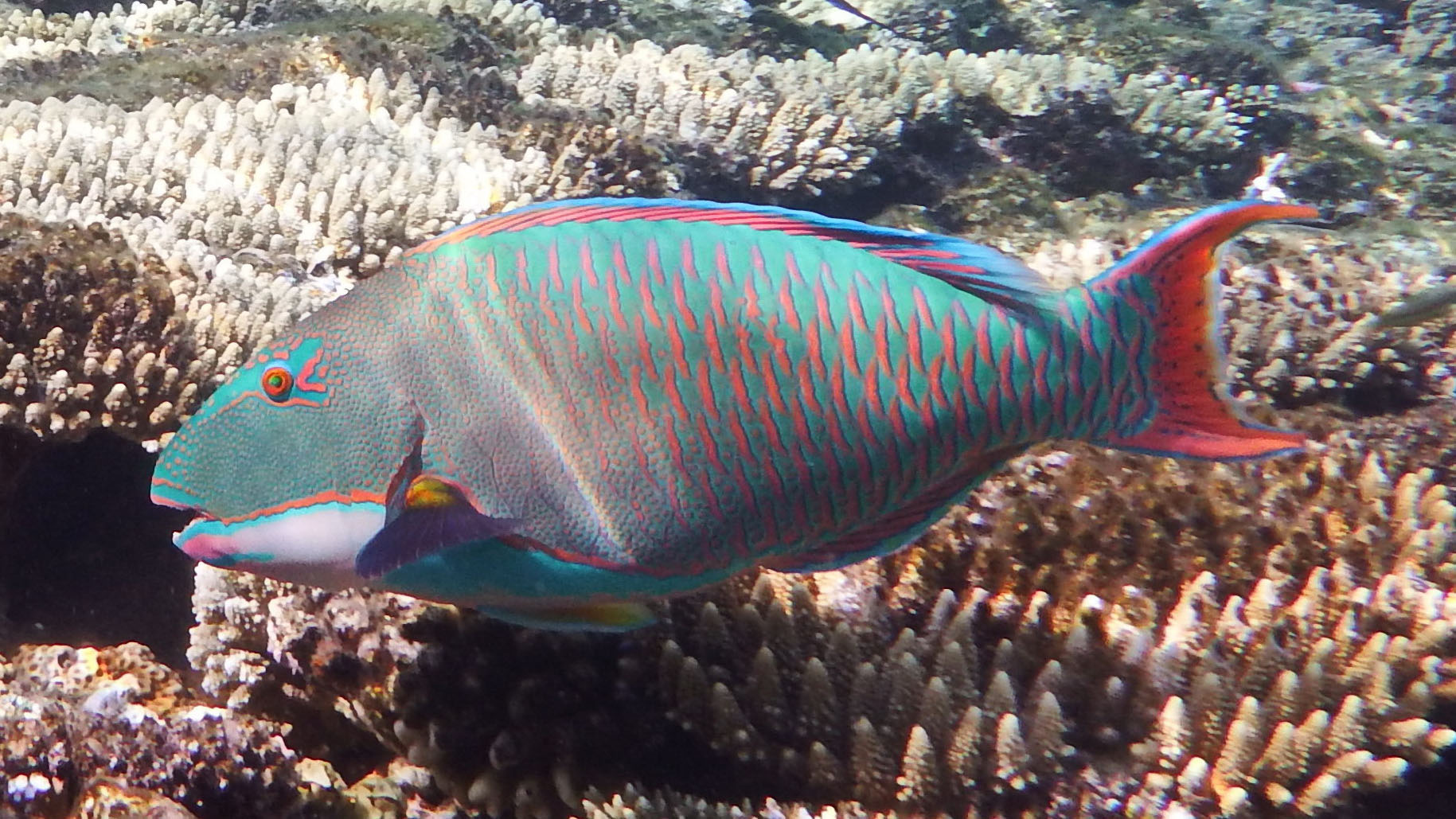
"Spawn in the water and away" – Many schooling fish, also parrotfish, do not care for their young. The eggs are released en masse and left to fend for themselves. The high number of eggs compensates for the lack of care
Life insurance for Robert's cichlid
The dramatic threat to habitats makes rescue in the wild extremely difficult. A study by the University of Vienna conducted in 2024 examined potential habitats for reintroduction. However, it often takes a long time to establish an appropriate programme. Conservation breeding programmes are therefore currently the only realistic option for ensuring the survival of the species and creating a reserve population until protective measures in the natural habitat take effect.
A stable breeding population allows knowledge about biology, lifestyle and breeding strategies to be preserved and expanded. At the same time, the option remains open to one day reintroduce animals into suitable, renaturalised waters.
For breeders
Basic information on biology and breeding
The Roberts cichlid, which is about 10 cm in size, is best kept in pairs in well-structured aquariums with a minimum length of one metre. Larger tanks allow for several pairs. The aquarium should have a sandy substrate, stable rock structures, caves and roots; plants are possible but not essential. Temperatures of 23–26 °C and soft, slightly acidic water are ideal. Feed a fibre-rich and moderate diet of plant-based pellets and small live food. Juveniles are raised slowly on nauplii and later daphnia.