


Charco Azul Pupfish
Cyprinodon veronicae
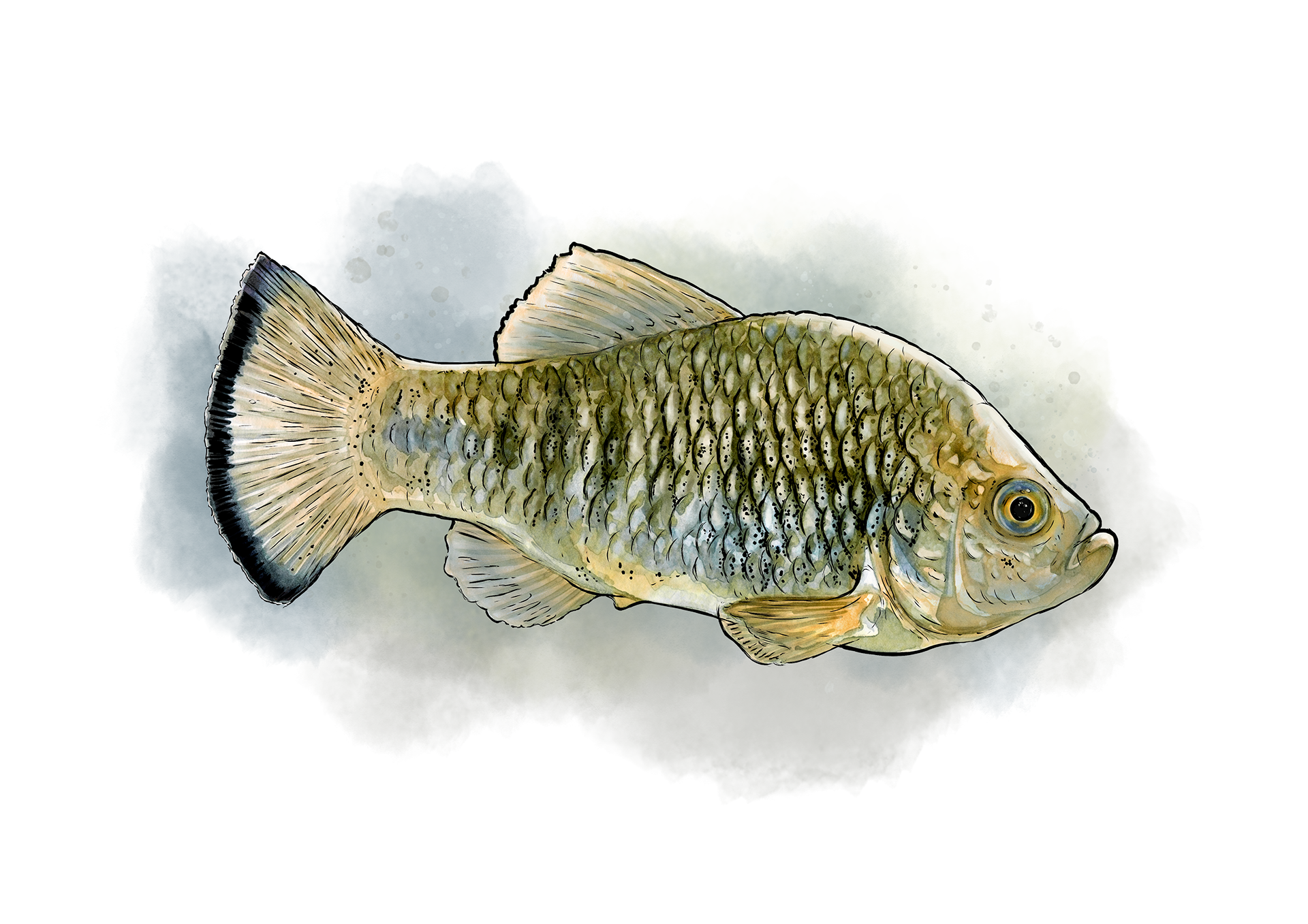
Charco Azul Pupfish
Cyprinodon veronicae
CC goal
15 breeders
Status 05/2026
CC goal
225 Tiere
Status 05/2026

CC goal
15 breeders
Status 05/2026
CC goal
225 Tiere
Status 05/2026
A fish in the desert. At first glance, that sounds like a rather poor choice of habitat. For the Charco Azul Pupfish, however, it was the right one – as long as the spring it lived in kept flowing.
"Even a desert fish needs water, after all"
© Anton Lamboj
A wet island
Ojo de Agua Charco Azul was the name given to the entire habitat of this remarkable fish. A spring in the Mexican state of Nuevo León, some 1,600 metres above sea level. The surrounding semi-arid landscape was home to cacti and other plants that thrive on little water. Right by the spring, however, there were shade-providing trees and shrubs. Beneath the water’s surface, hornwort, pondweed and other aquatic plants thrived. The bottom was loamy to muddy, and the water was originally crystal-clear and, at around 19–20 °C, surprisingly cool for a spot in the middle of the desert.
During mating, the males of the Charco Azul Pupfish – which measures no more than five and a half centimetres in length – can change colour from brown to violet-blue. A small splash of colour in a landscape where one would be more likely to look for a lizard than a fish.
Survival in North America’s Deserts
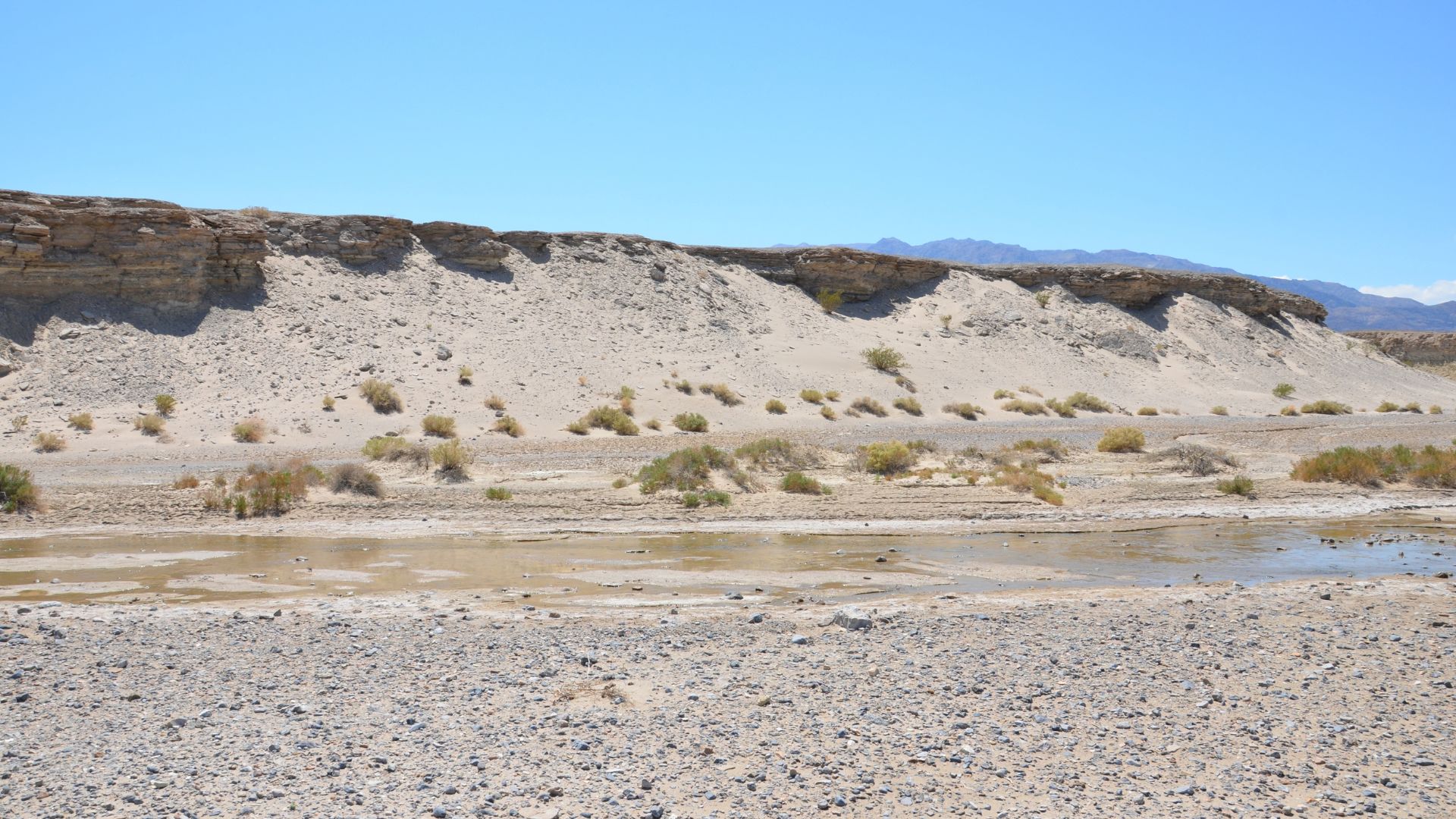
A desert does not necessarily mean bare sand dunes. Even in Death Valley, shrubs grow amongst the rocks and scree. Where springs bubble up, there is even a habitat for fish.
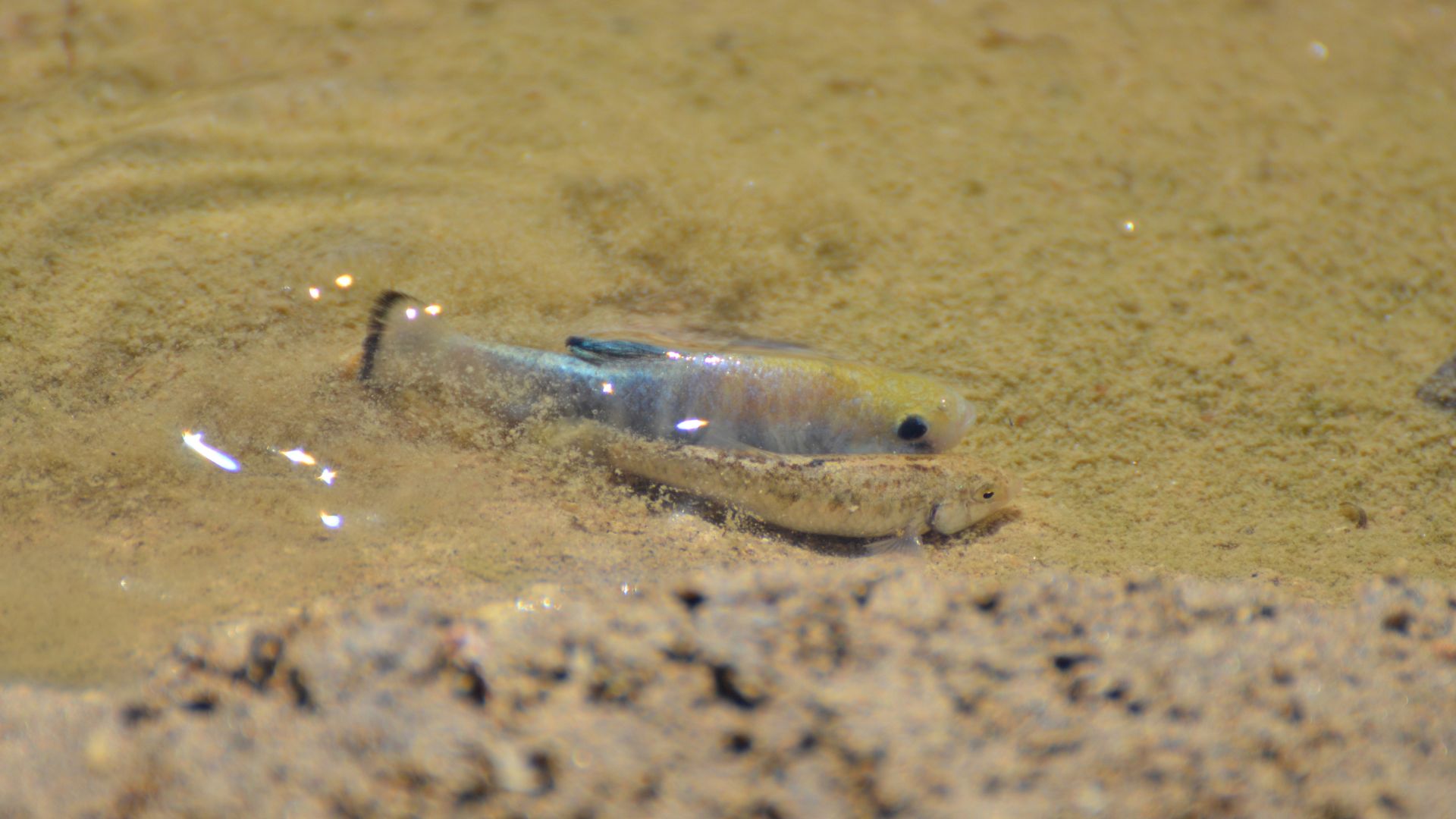
The Salt Creek Pupfish (Cyprinodon salinus), which is related to the Charco Azul Pupfish, is found in only two locations with a tiny range in Death Valley
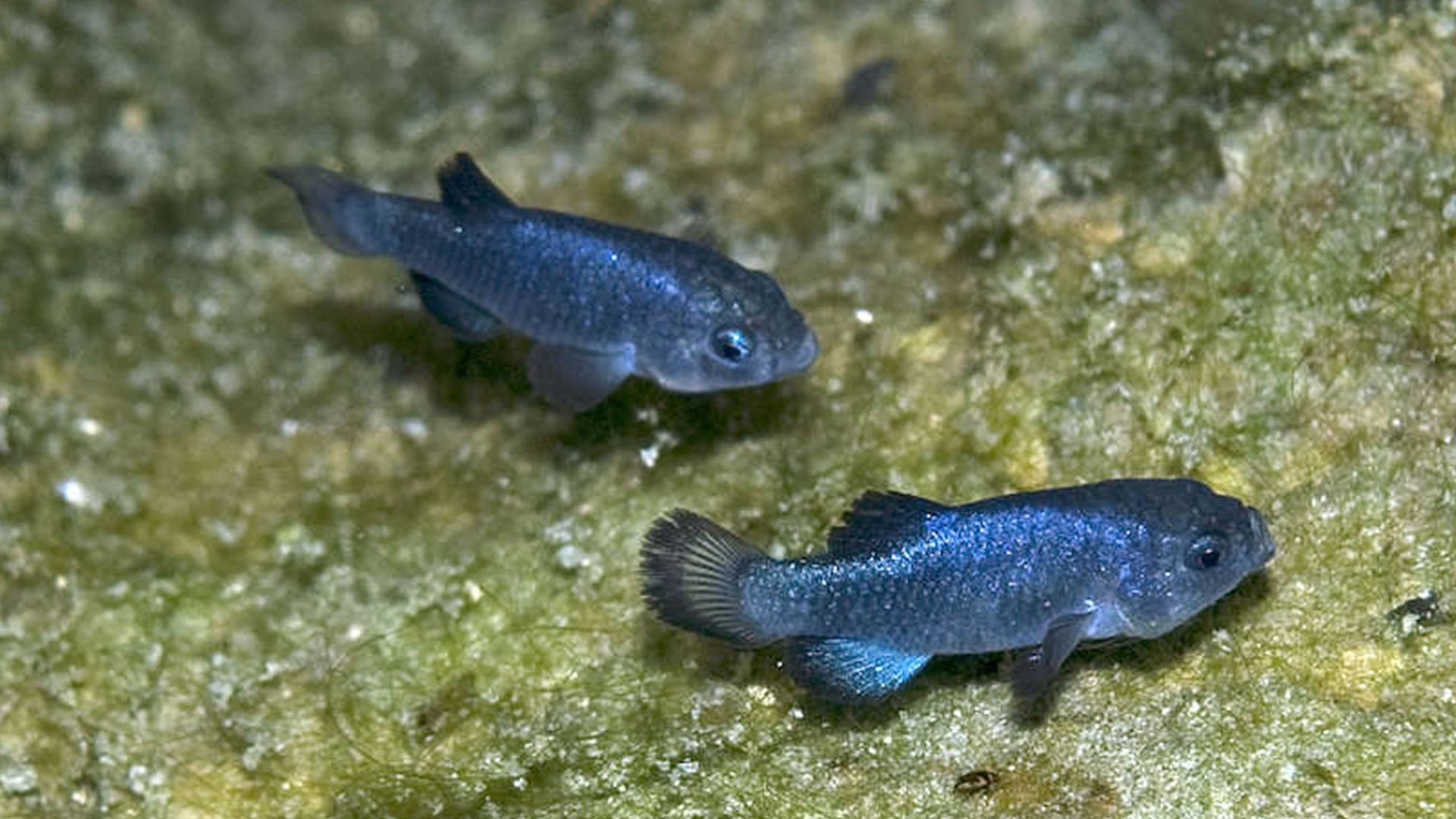
Another relative, the Devil’s Hole Pupfish (Cyprinodon diabolis), thrives in the 33-degree, low-oxygen waters of Devil’s Hole.
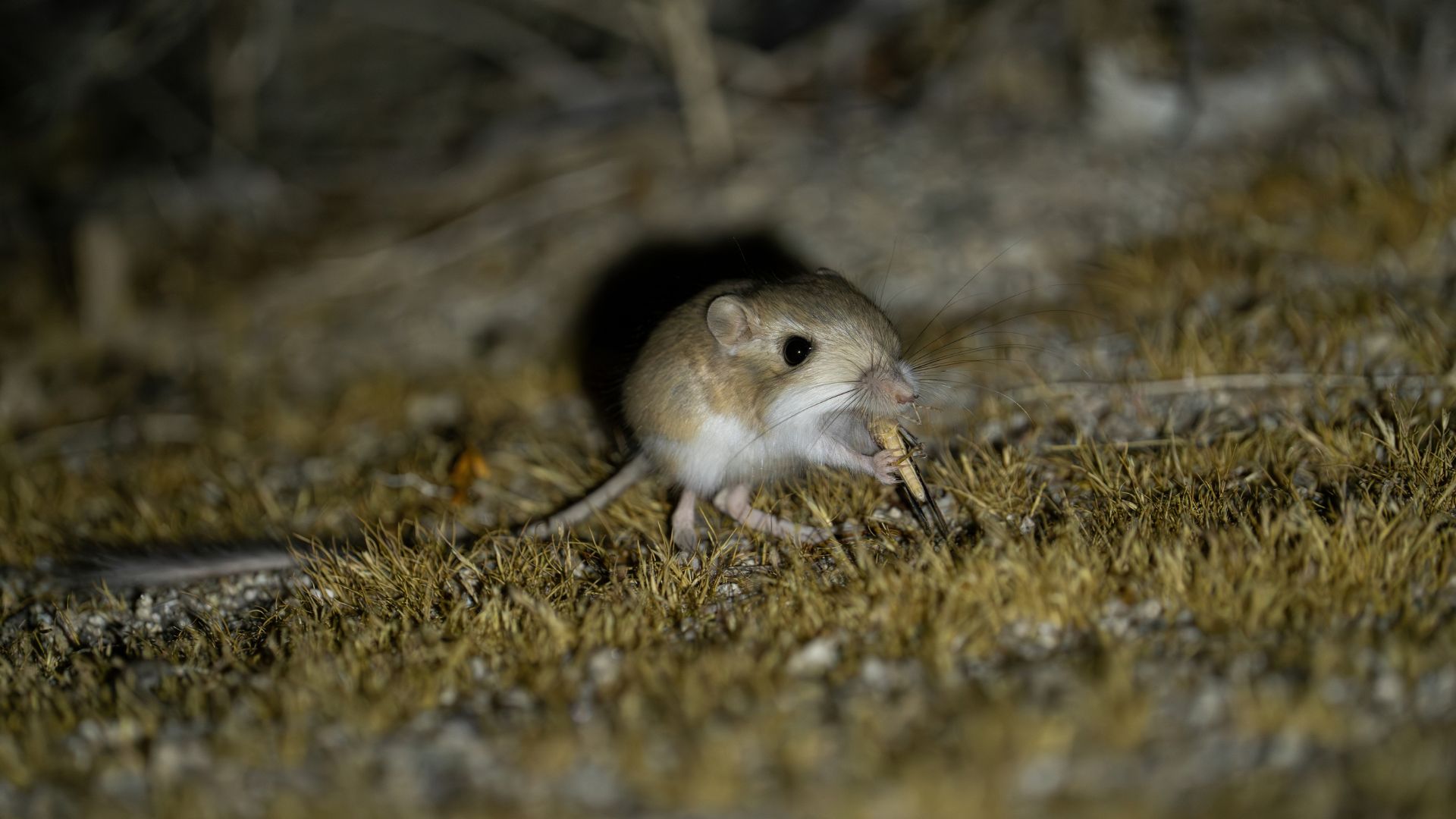
Drink? Not necessary. The Merriam’s kangaroo rat (Dipodomys merriami) obtains water from its food through metabolism.
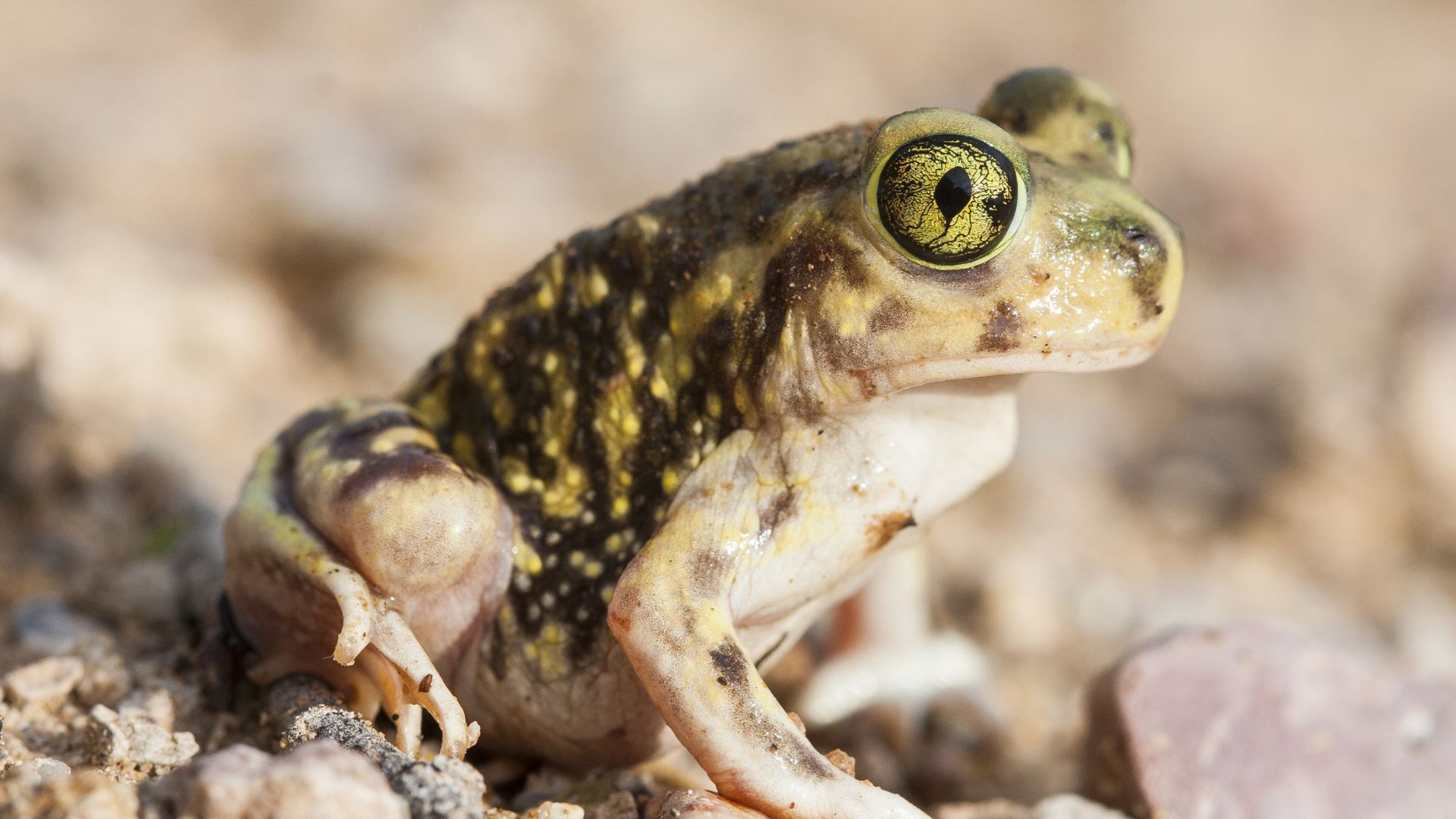
Waiting for rain underground. This is how Couch’s spadefoot toad (Scaphiopus couchii) survives the dry spell. After heavy downpours, it quickly produces offspring before the puddles disappear again.
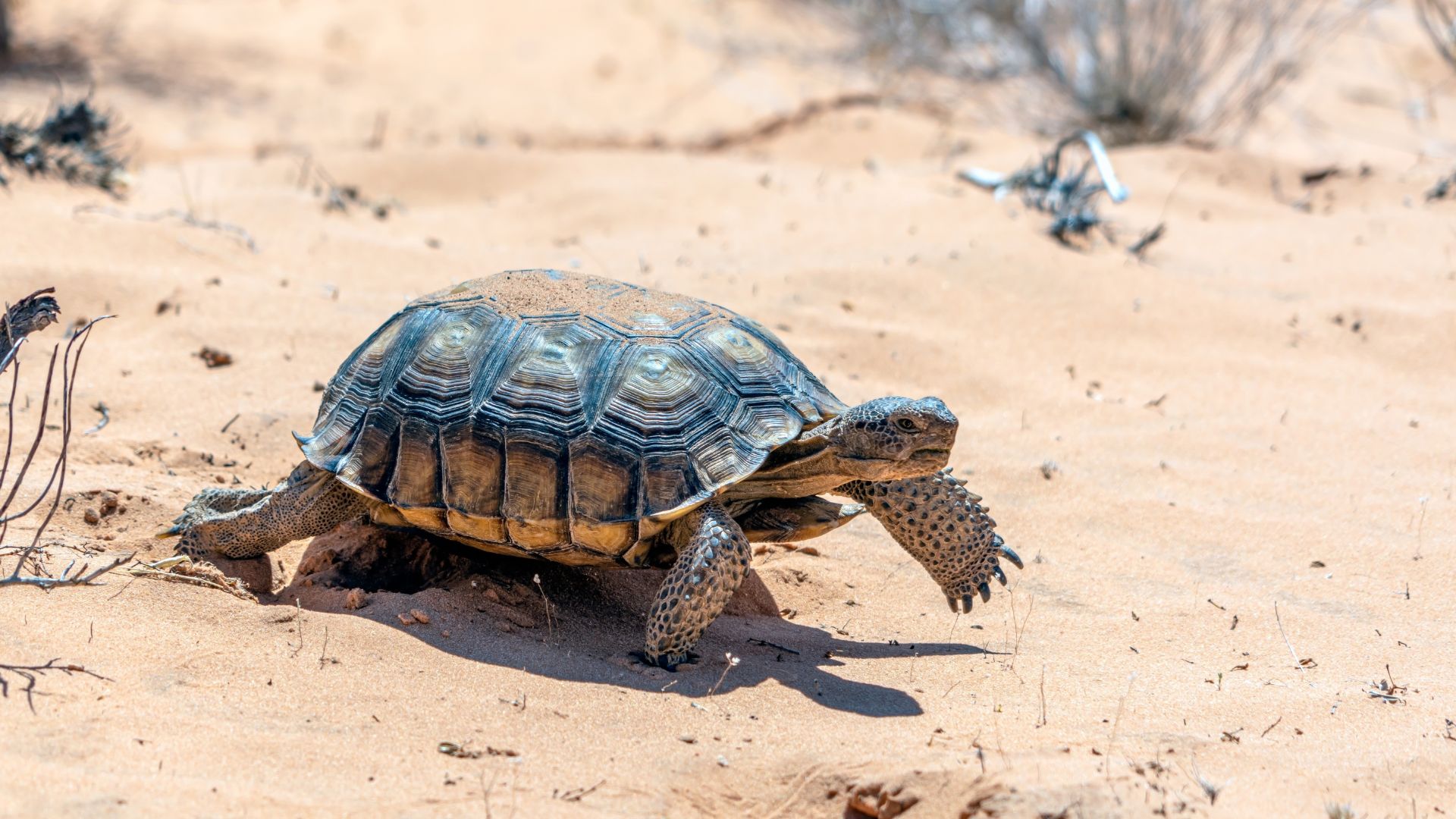
It carries its water supply in its bladder: when necessary, the Desert tortoise (Gopherus agassizii) reabsorbs fluid from it. A built-in reserve for dry spells.
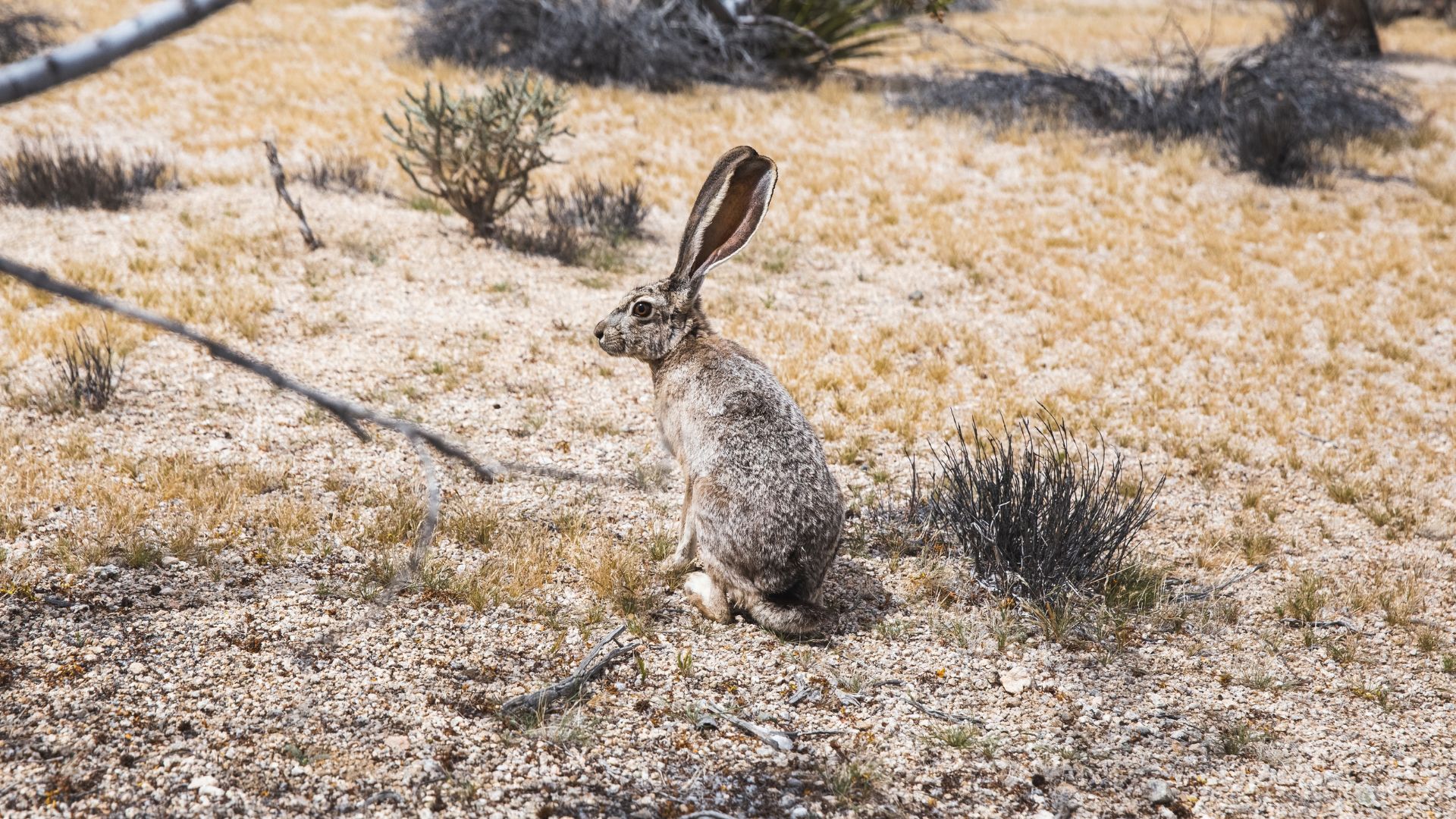
Its large, well-vascularised ears help the White-tailed jackrabbit to dissipate excess body heat.
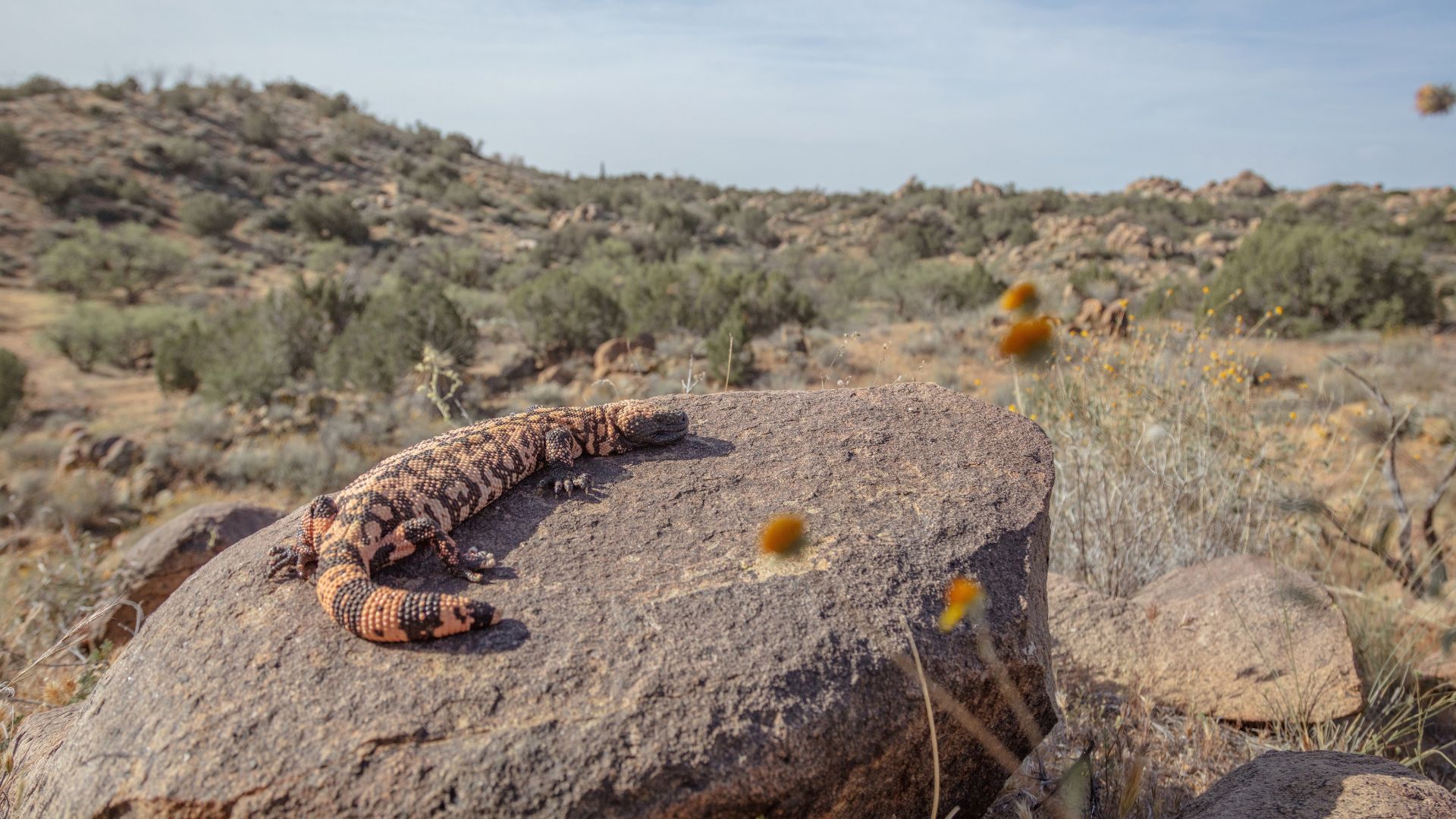
The Gila monster spends most of its life underground. It stores fat reserves in its thick tail.
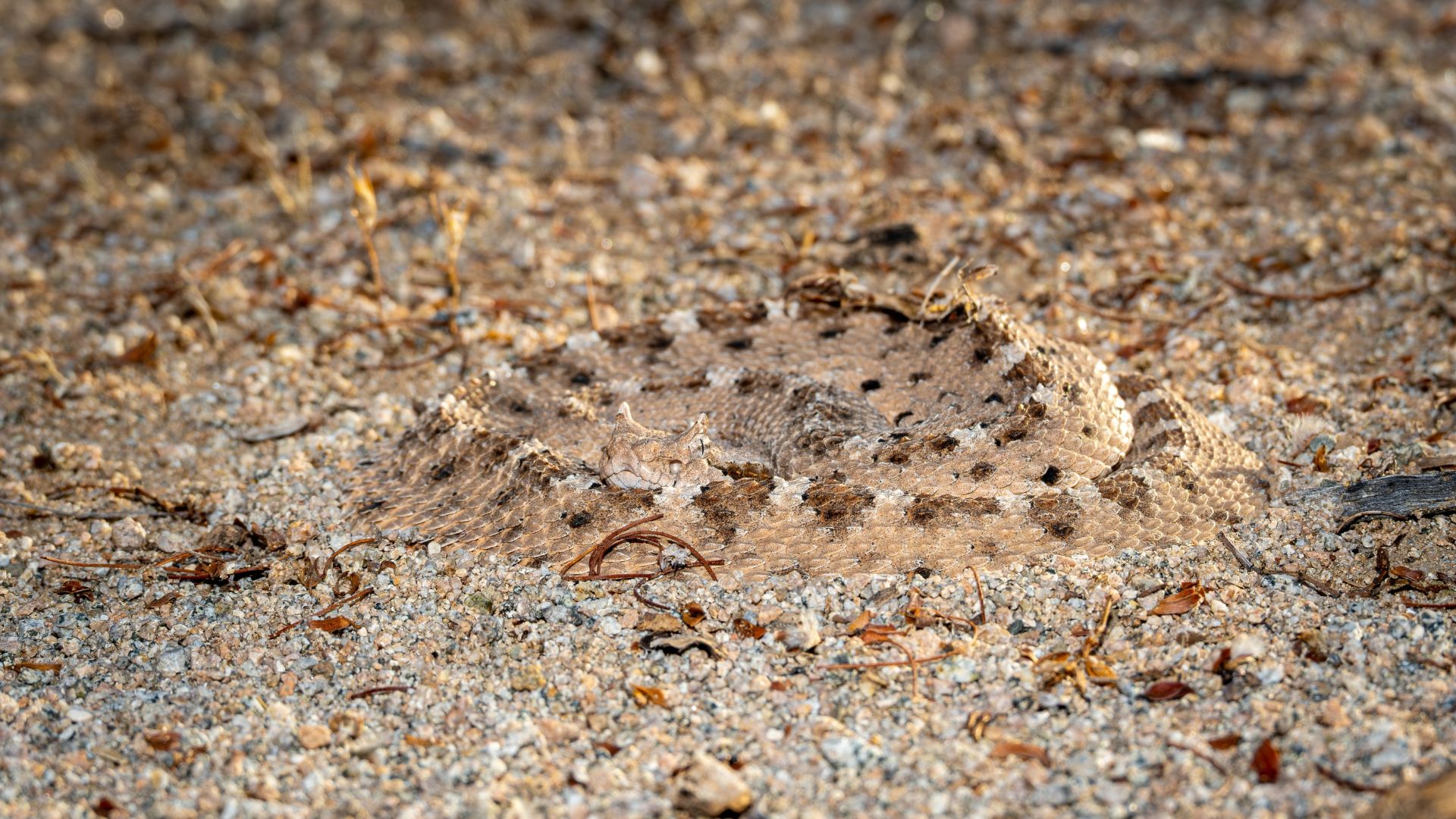
Moving sideways, the sidewinder rattlesnake traverses loose sand. As it does so, only part of its body is in contact with the hot ground at any one time.
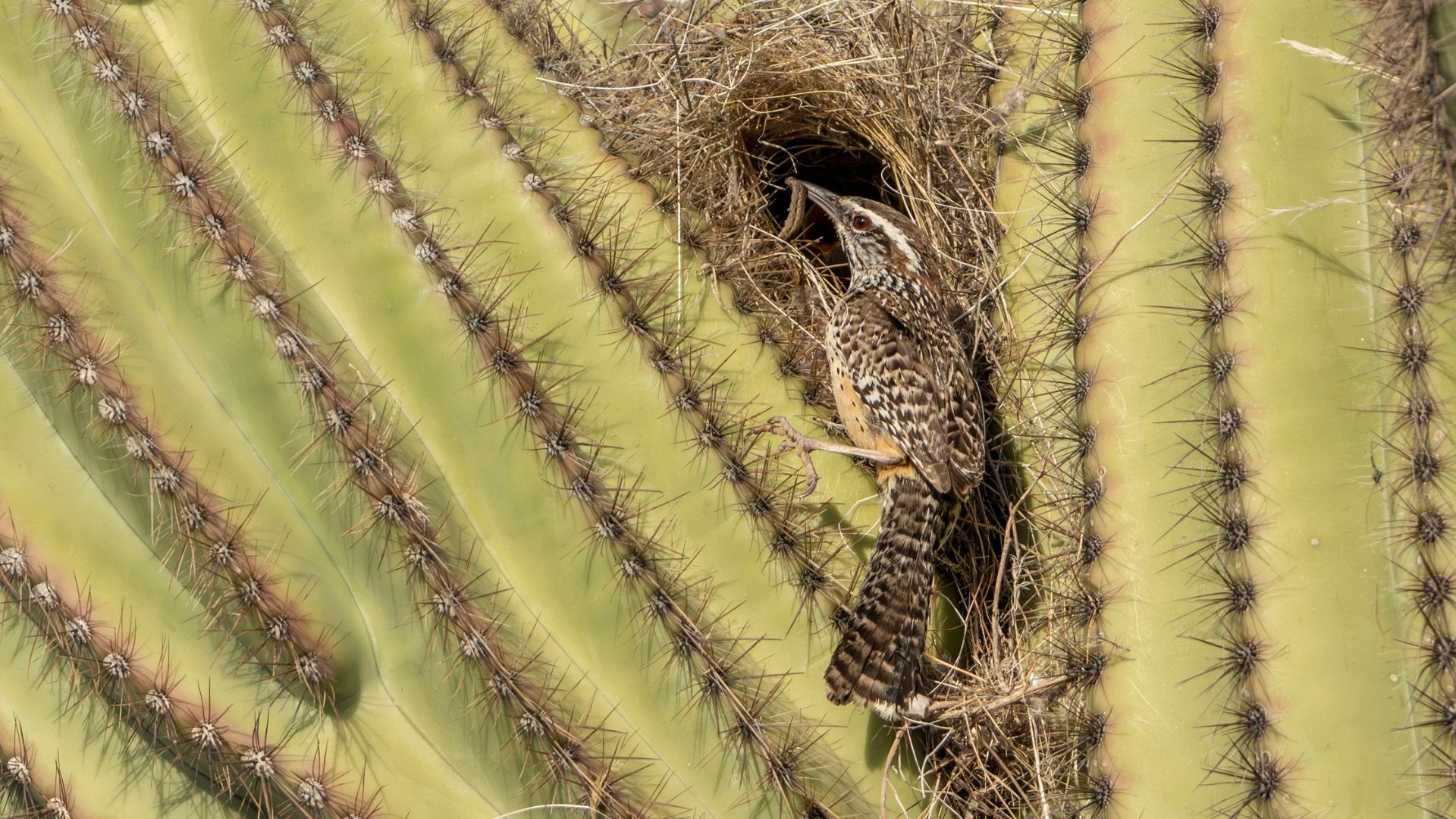
The cactus wren prefers to build its nest amongst thorny cacti. There, its young are protected from many predators.
Nowhere to flow, nowhere to go
For a fish, an isolated spring can be both a home and a trap. As long as water continues to flow, it provides a reliable habitat. However, if the spring runs dry and there is no neighbouring watercourse to which its inhabitants can migrate, and if a species is found only in this one location worldwide, a falling water level endangers not just a single population; it threatens the entire species.
That is precisely what proved to be the downfall of the Charco Azul Pupfish. Groundwater was increasingly being extracted for agricultural purposes. The spring lost its supply, and the water body eventually dried up in the 1990s. Yet even a desert fish needs water, and no matter how adaptable a fish of the family Poecilidae may be, it is powerless against a spring that is running dry.
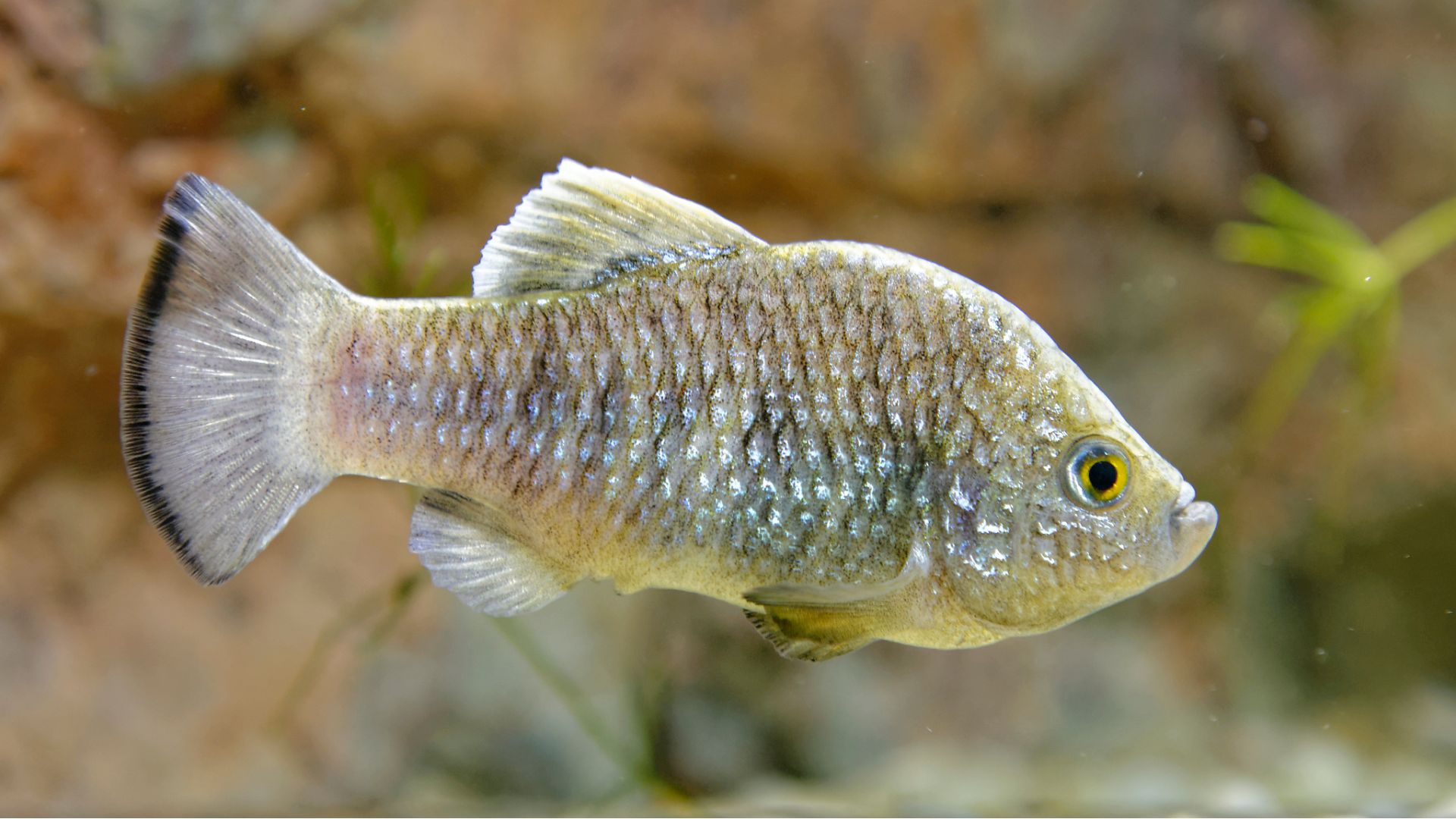
Cyprinodon veronicae at Tiergarten Schönbrunn © Norbert Potensky
Extinct – at least in the wild
That could have been the end of the story. But it wasn’t. Fortunately, just before the water source dried up, some of the fish had been taken into human care and bred. Whilst the species has disappeared from its native waters, its descendants continue to live in aquariums.
‘Extinct in the Wild’ is therefore the species’ status on the international Red List. Those three extra words make a world of difference. They mean that there is still something left to conserve: animals that eat, swim about and produce offspring. And with that, the possibility remains that their species might one day exist outside the confines of an aquarium again.
The Charco Azul Pupfish is the first species in this category at Citizen Conservation. In its case, therefore, it is not a matter of building up a reserve as a precaution for hard times. The hard times have long since arrived. What is being preserved in human care is the remaining population of an entire species – in the hope of a better future.
Between a last resort and a return
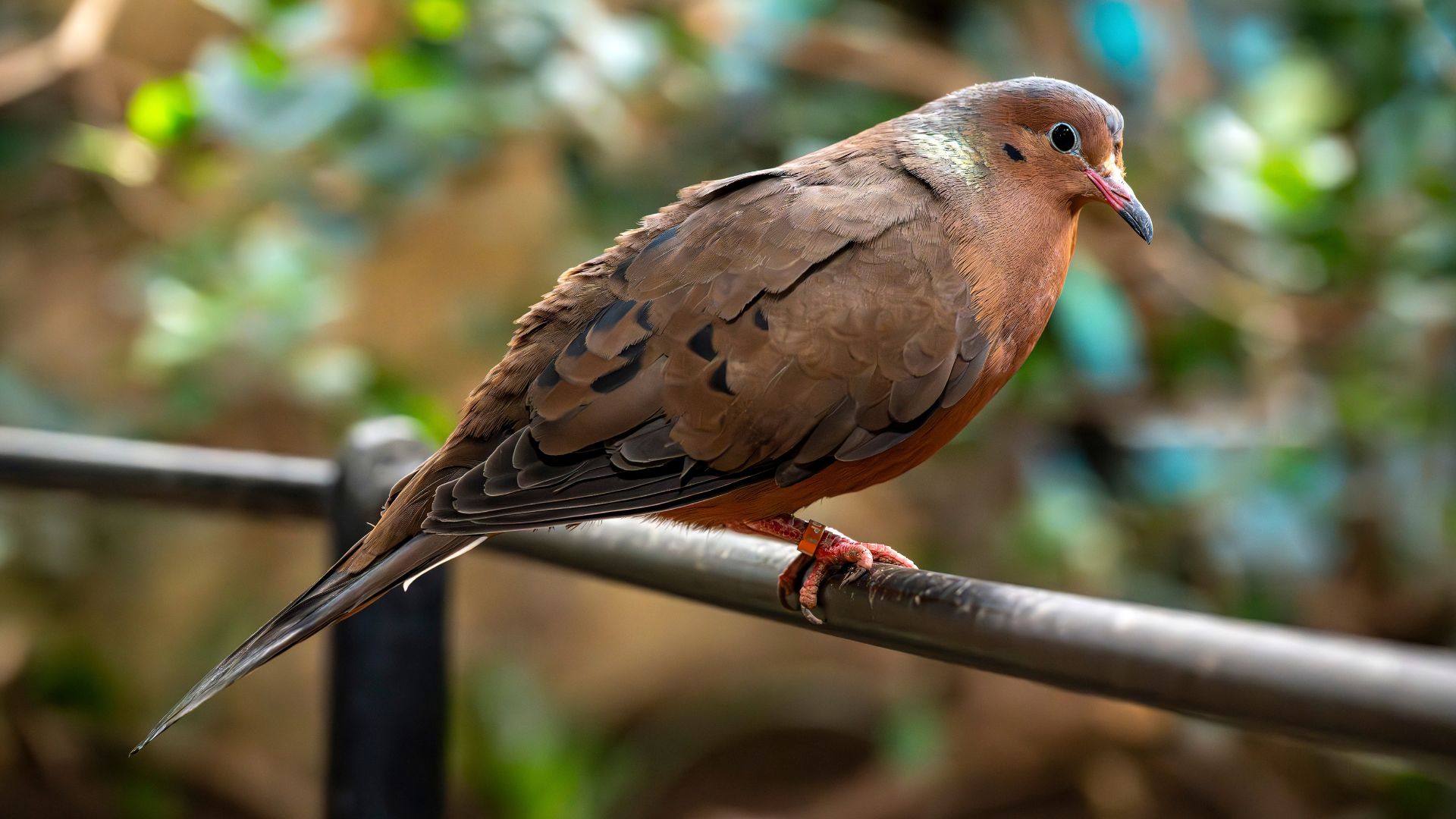
The Socorro dove (Zenaida graysoni) has disappeared from its Mexican island. It has survived in human care, and with it the chance of a return.
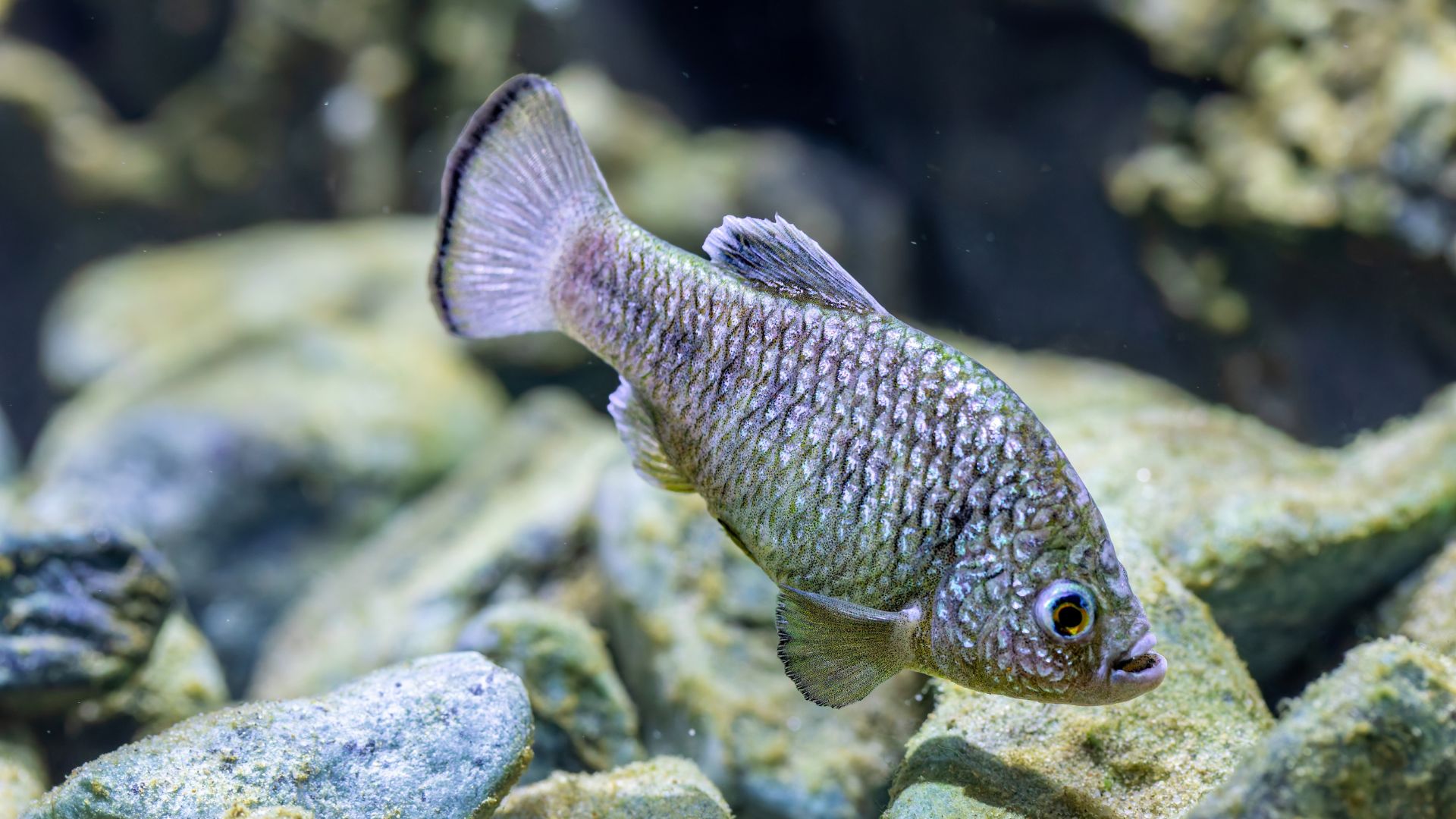
Just like its relative, the Charco Azul Pupfish, the La Palma Pupfish (Cyprinodon longidorsalis) now lives only in aquariums due to the drying up of its natural habitat.
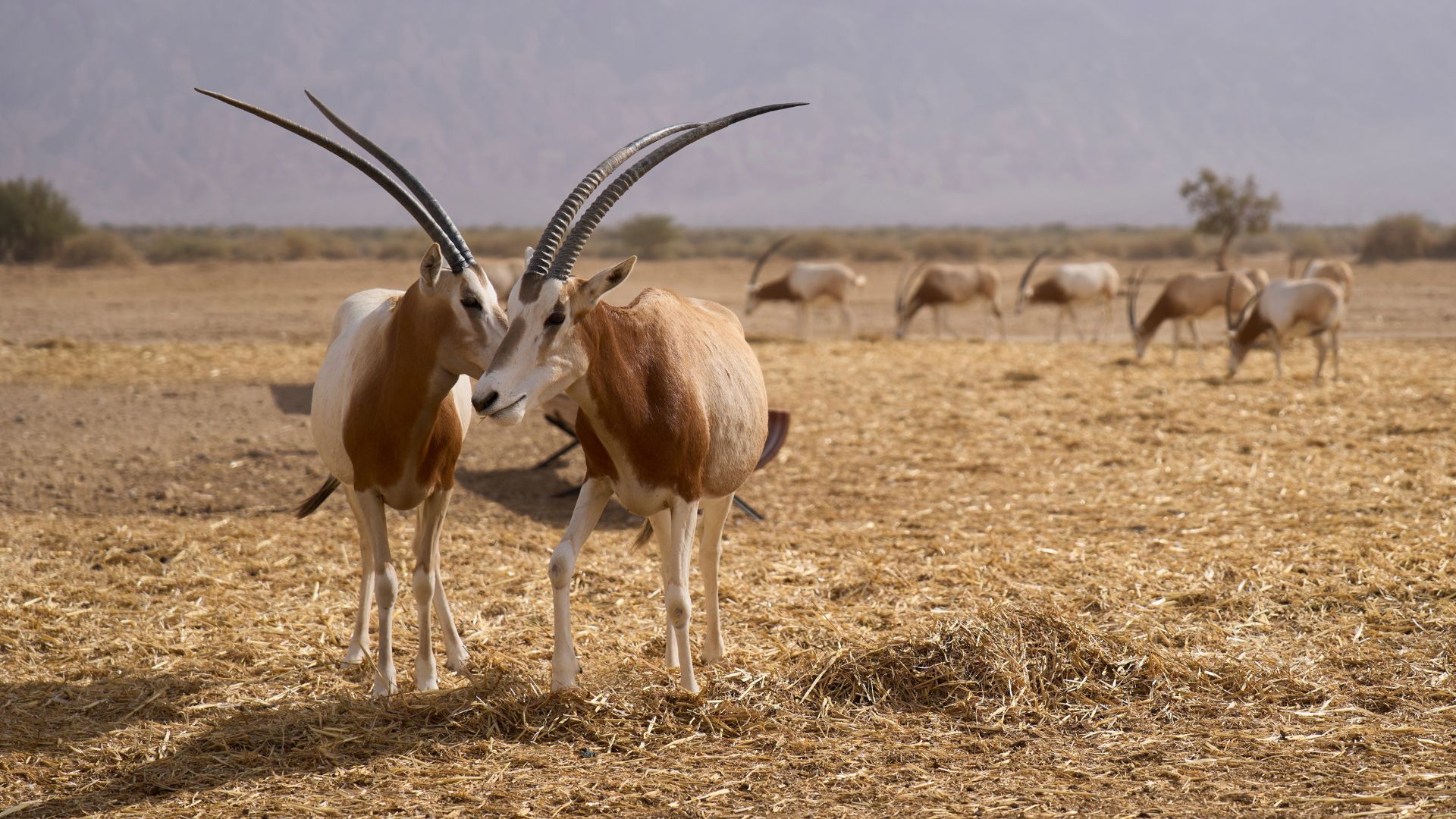
Scimitar-horned oryx (Oryx dammah ) bred in captivity are once again living in the wild. Since 2023, the species has been classified as ‘critically endangered’ rather than ‘extinct in the wild’. This is a step forward that would have been impossible without conservation breeding.
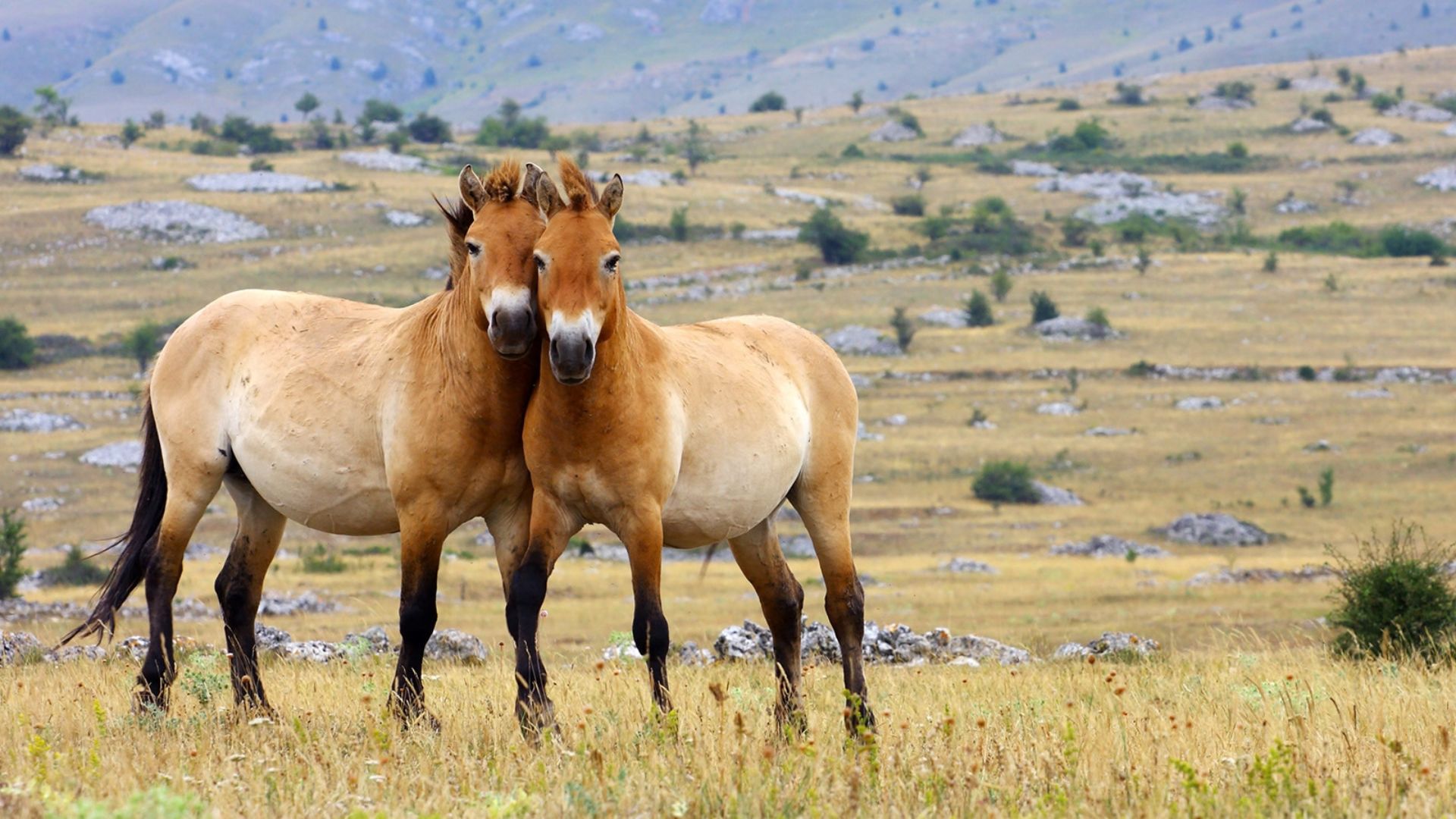
Once kept solely in captivity – today, Przewalski’s horses (Equus przewalskii) are once again roaming the Mongolian countryside. In between lie decades of joint breeding efforts and reintroduction.
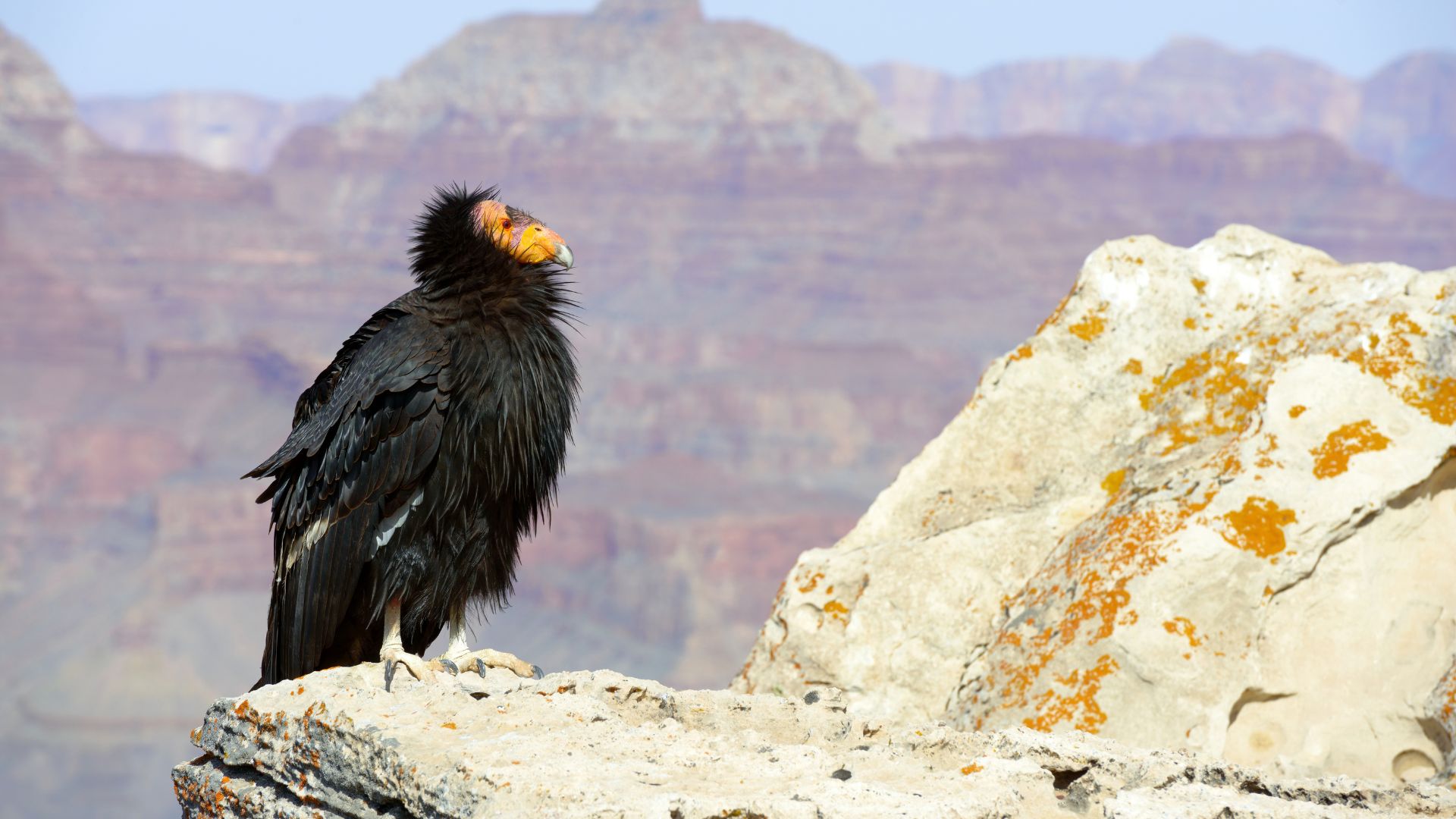
In 1987, all remaining California condors (Gymnogyps californianus) were in human care. Five years later, the first captive-bred birds were released. Today, these magnificent birds are once again flying over parts of North America.
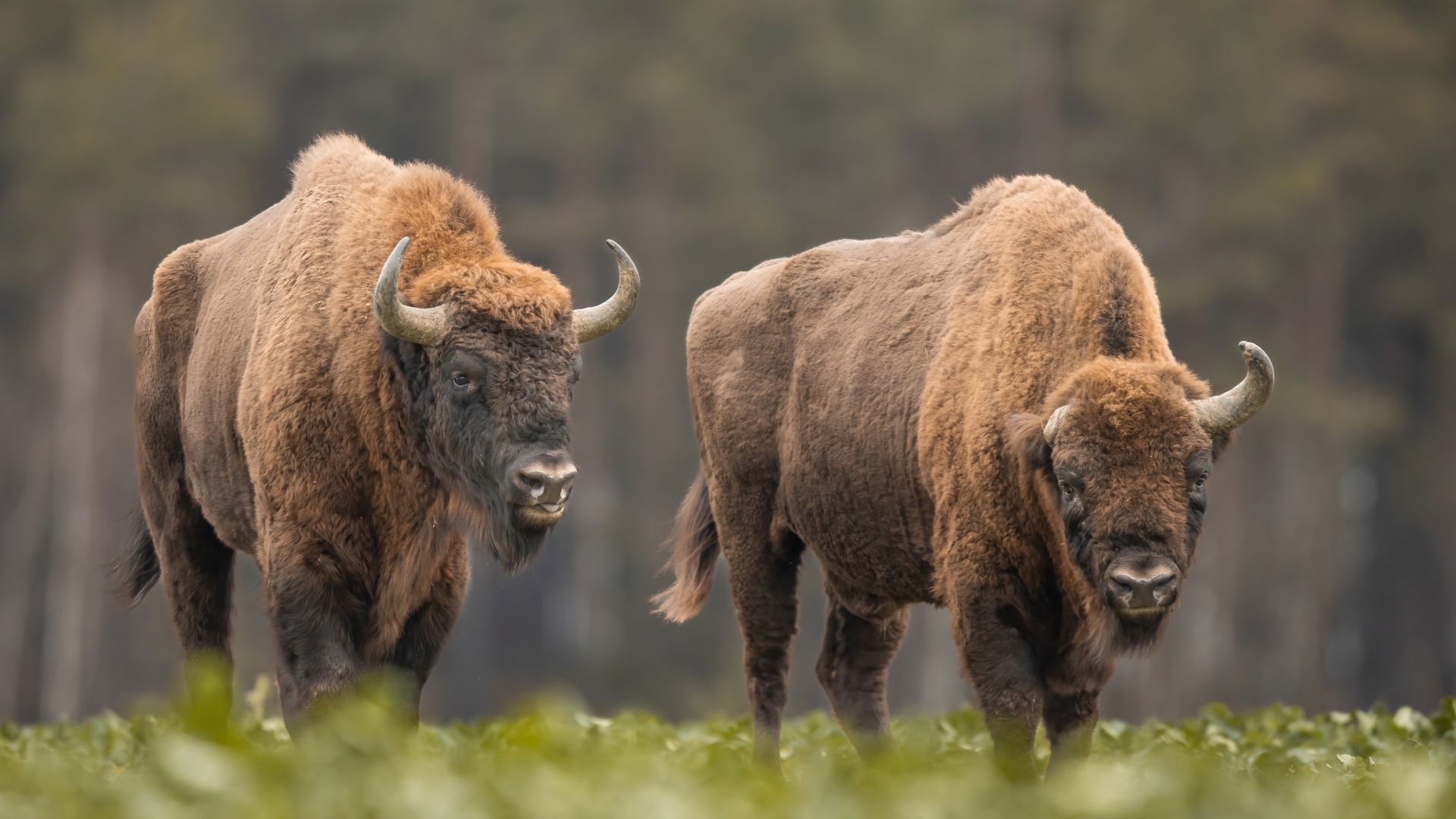
Initially, the European bison also survived only in zoos and on private holdings. Today, there are once again wild herds in several European countries.
Back in the swim?
Preserving a species over decades requires more than just the occasional offspring. It requires people who take on long-term responsibility, uphold established practices and coordinate breeding efforts. Citizen Conservation contributes to this. After all, even a species that has survived in aquariums can be lost there once again.
There is now a future for the desert carp beyond the aquarium. The Zoological Society of London (ZSL) is breeding the species at Whipsnade Zoo and is working with partners towards its eventual reintroduction in Mexico. As part of the Phoenix Species Project, preparations are being made for a return to Charco Azul. Surveys at the former spring site have provided evidence that restoration might be possible. Cooperation with the local community is crucial here: in the long term, there must be enough water to meet their needs and sustain the habitat.
Until then, the small fish must remain in human care. So that one day, in the desert, what initially sounds so contradictory might once again become possible: a perfectly normal fish’s life.
For Breeders
Basic information on biology and breeding
Larger groups should be kept in tanks at least 80 cm long, with a surplus of females. The fish require very hard, alkaline water with a pH above 7.5. The aquarium should be well-structured, as the fish are aggressive towards one another. Outdoor keeping in mortar tubs is possible from April to October. Targeted breeding can be carried out in 40-cm aquariums with a pair or trio (1,2). Incubation of the eggs and rearing of the fry is possible in 5–10-litre aquariums or plastic boxes without any technical equipment.