


Lojanan marsupial frog
Gastrotheca lojana
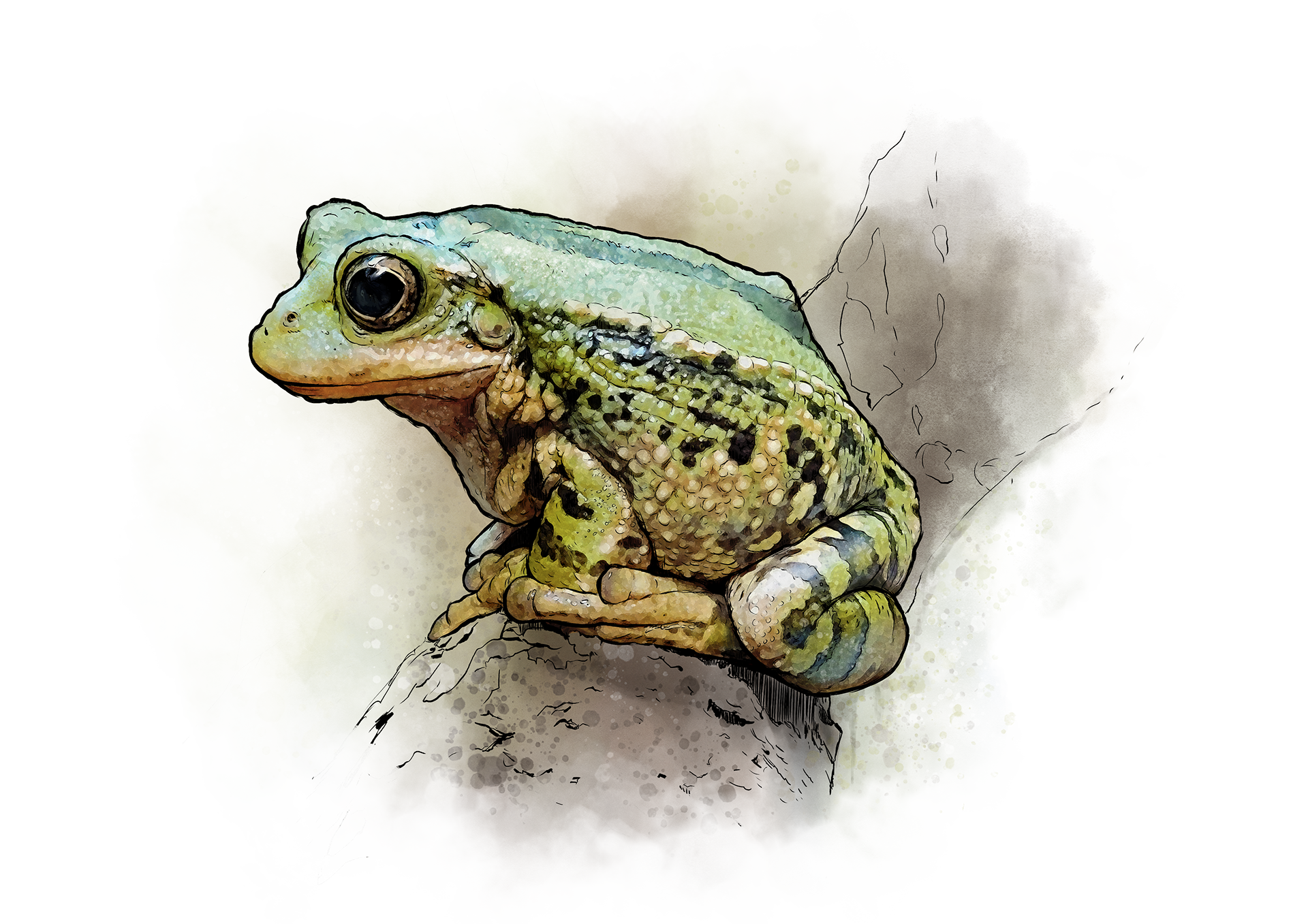
Lojanan marsupial frog
Gastrotheca lojana
CC goal
38 breeders
Status 11/2025
CC goal
225 animals
Status 11/2025

CC goal
38 breeders
Status 11/2025
CC goal
225 animals
Status 11/2025
David Friedrich Weinland, who lived from 1829 to 1895, is still quite well known in Baden-Württemberg today. His young adult novel Rulaman was published in 1878 and tells the story of a Stone Age boy from the region. The book is a true long-seller: it has been translated into nine languages and sold over half a million copies in Germany alone. It is still in print and read to this day. However, Weinland also left a lasting mark in other fields. He was involved in the establishment of the zoo in Frankfurt am Main and was recognised worldwide as a biologist. What’s more, he was the first to discover the purpose of the strange opening on the lower back of female marsupial frogs – and it is quite spectacular!
A unique reproductive strategy
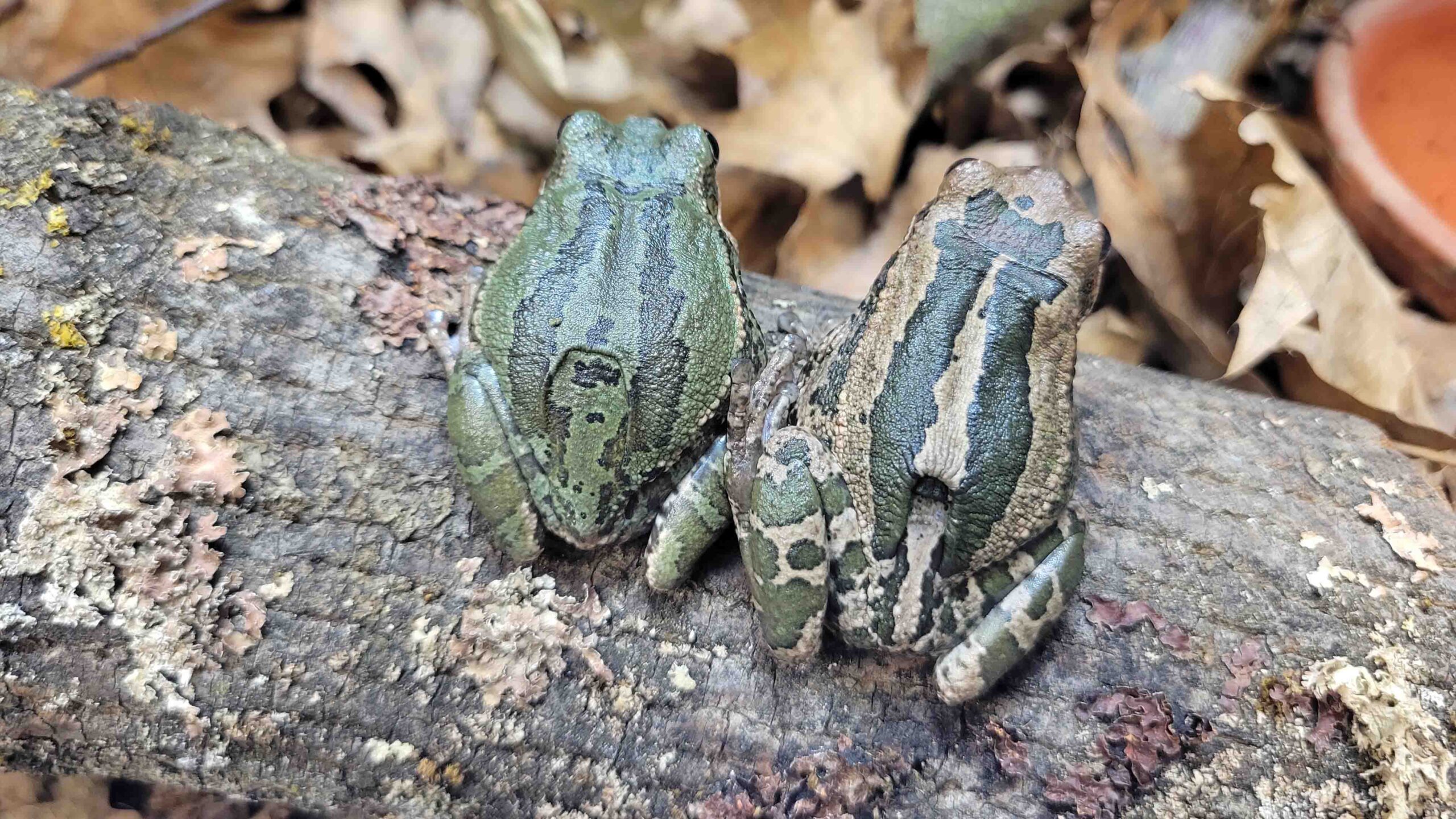
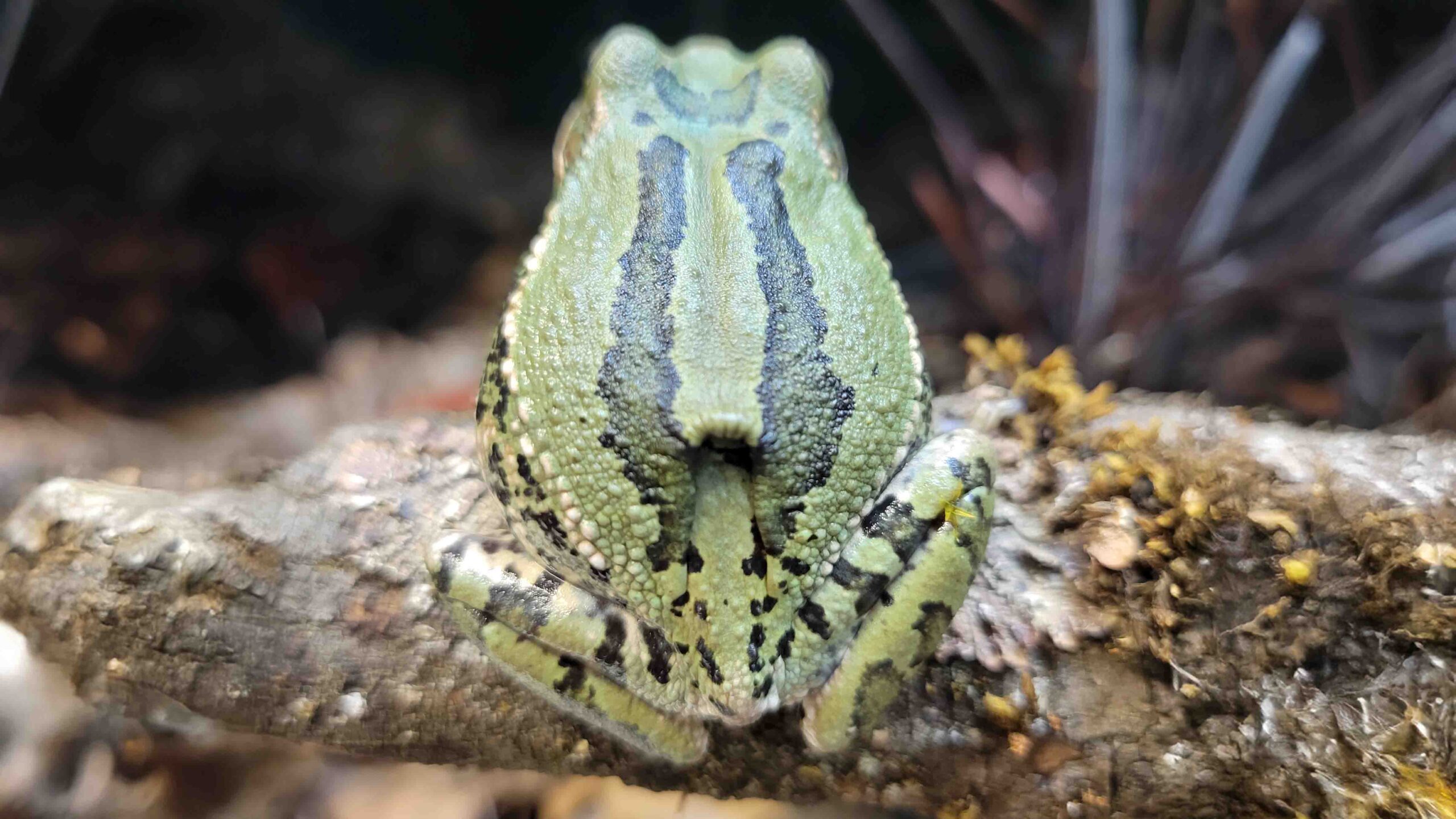
A female Lojanan marsupial frog with the characteristic opening on the lower back
A female Riobamba marsupial frog with a fully engorged pouch. The tadpoles develop inside it for one to two months, receiving oxygen via their external bell-shaped gills through specially formed tissue.
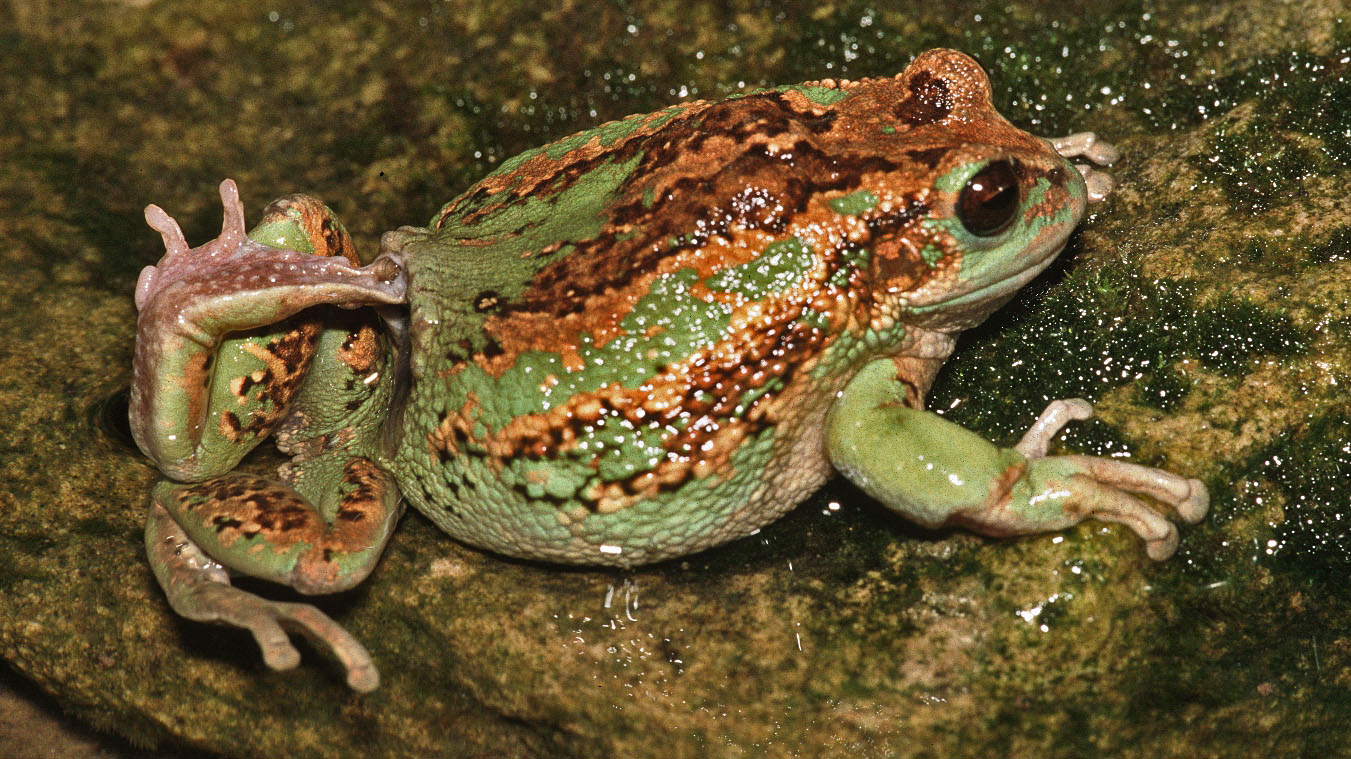
The female Riobamba marsupial frog releases the tadpoles into the water. To do this, she spreads the pouch open with her toes.
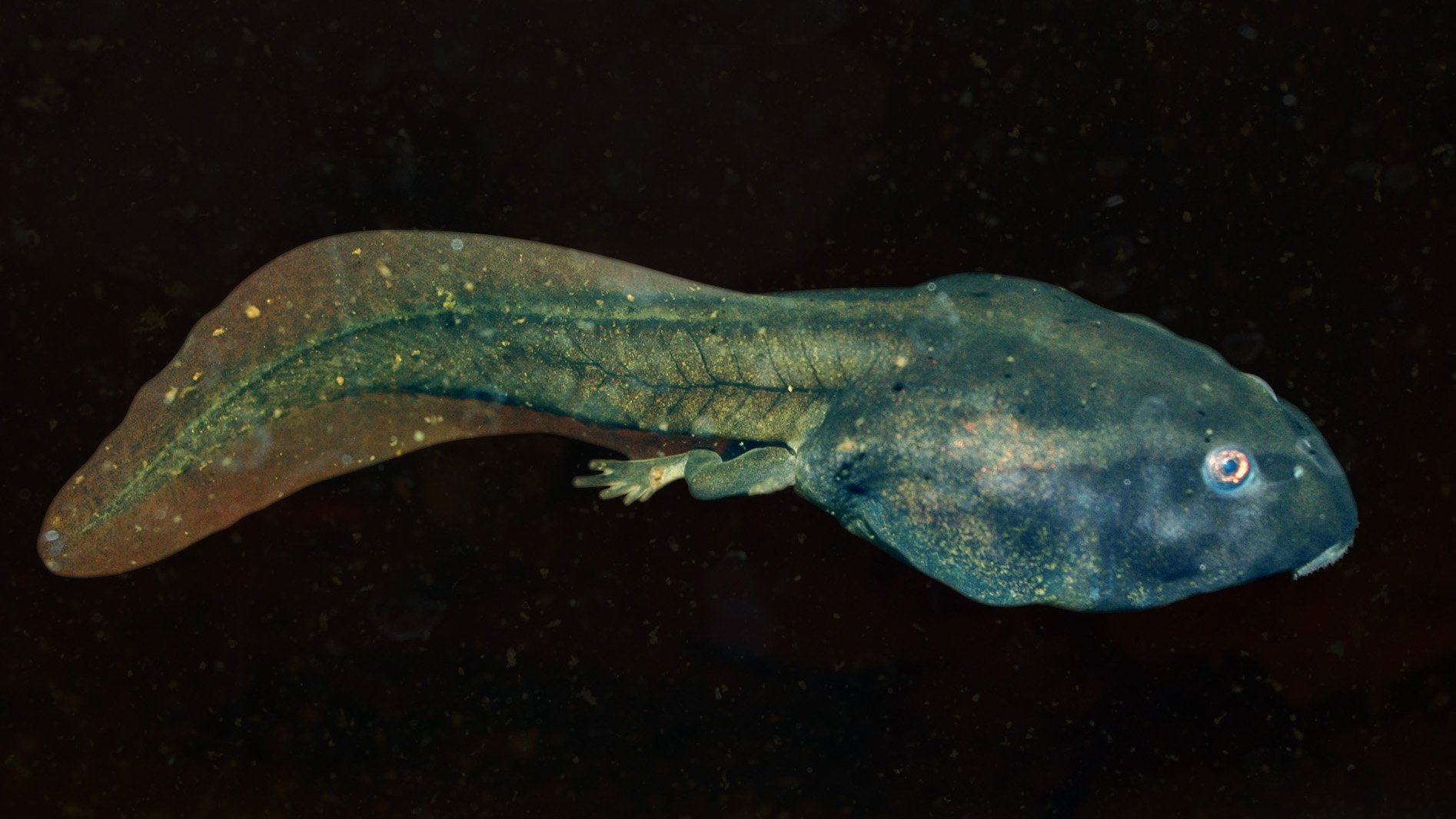
A free-swimming tadpole of the Riobamba marsupial frog. After spending the first stage of their lives in their mother’s pouch, the tadpoles must fend for themselves in the water.
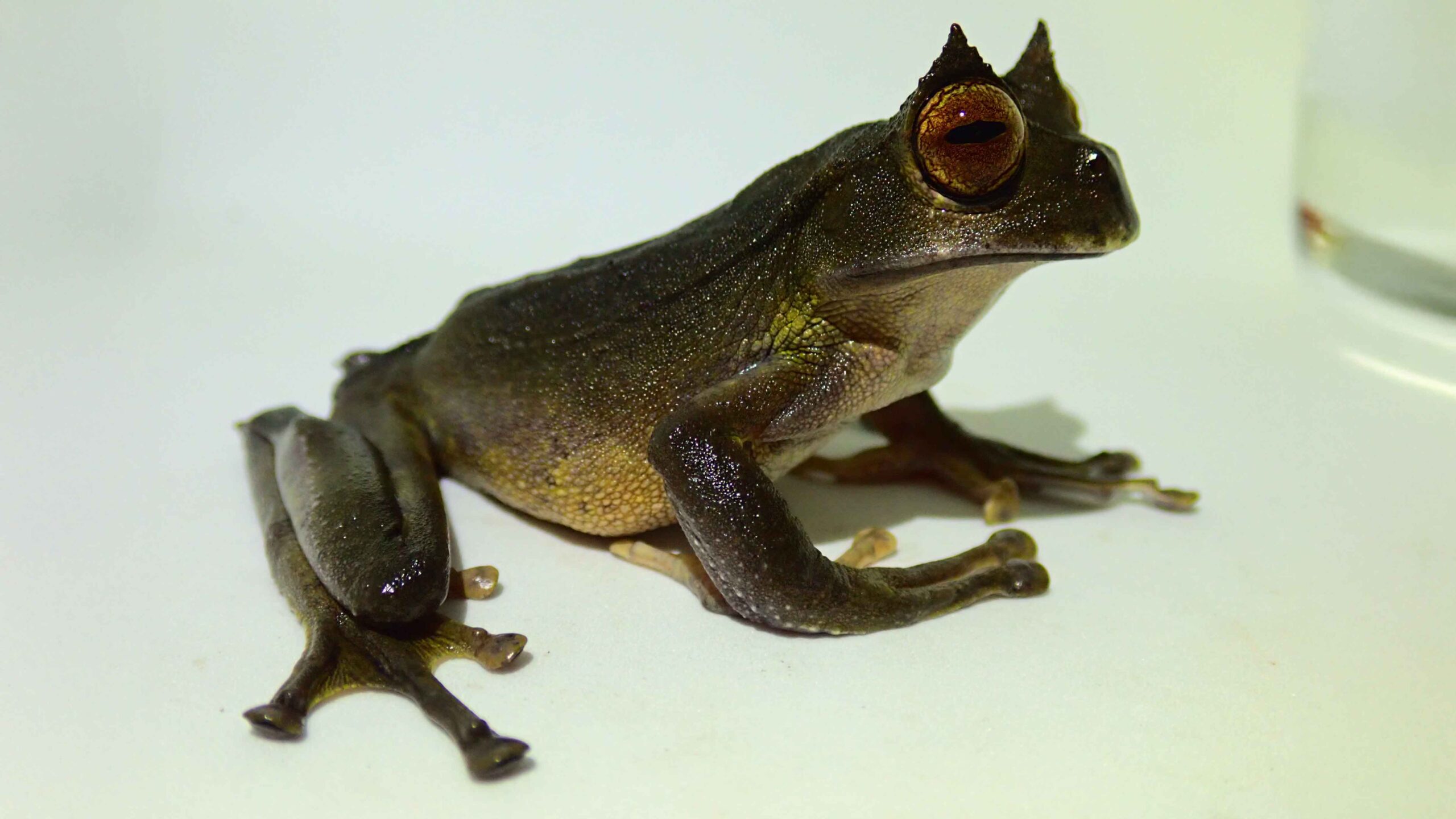
The bizarre Horned marsupial frog (Gastrotheca cornuta) is threatened with extinction. Its tadpoles grow inside a pouch until metamorphosis, emerging as fully-formed miniature frogs.
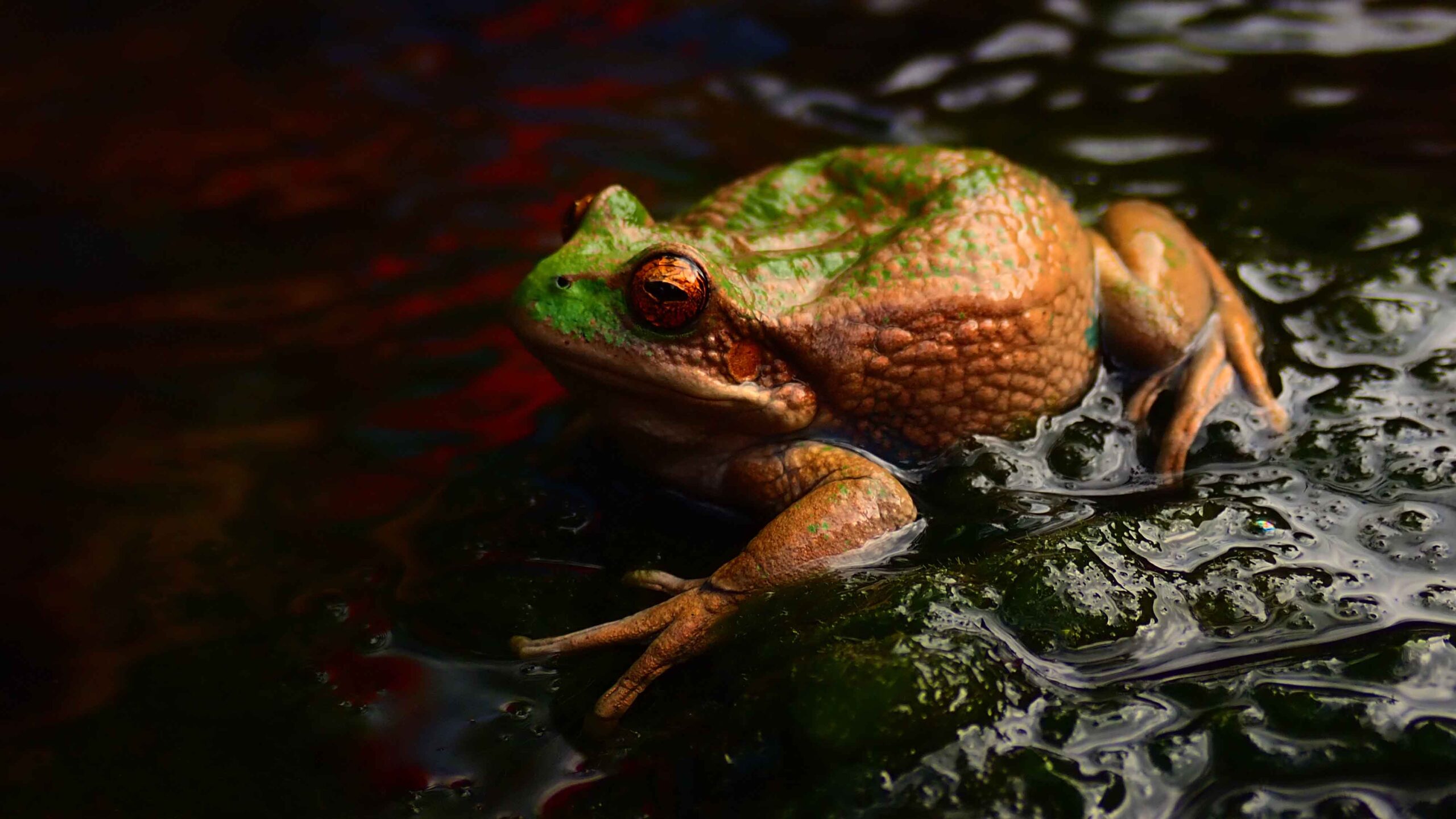
The San Lucas marsupial frog (Gastrotheca pseustes) is found in the Ecuadorian Andes at altitudes of over 4,000 metres. It lays relatively small eggs and then releases the tadpoles into shallow pools.
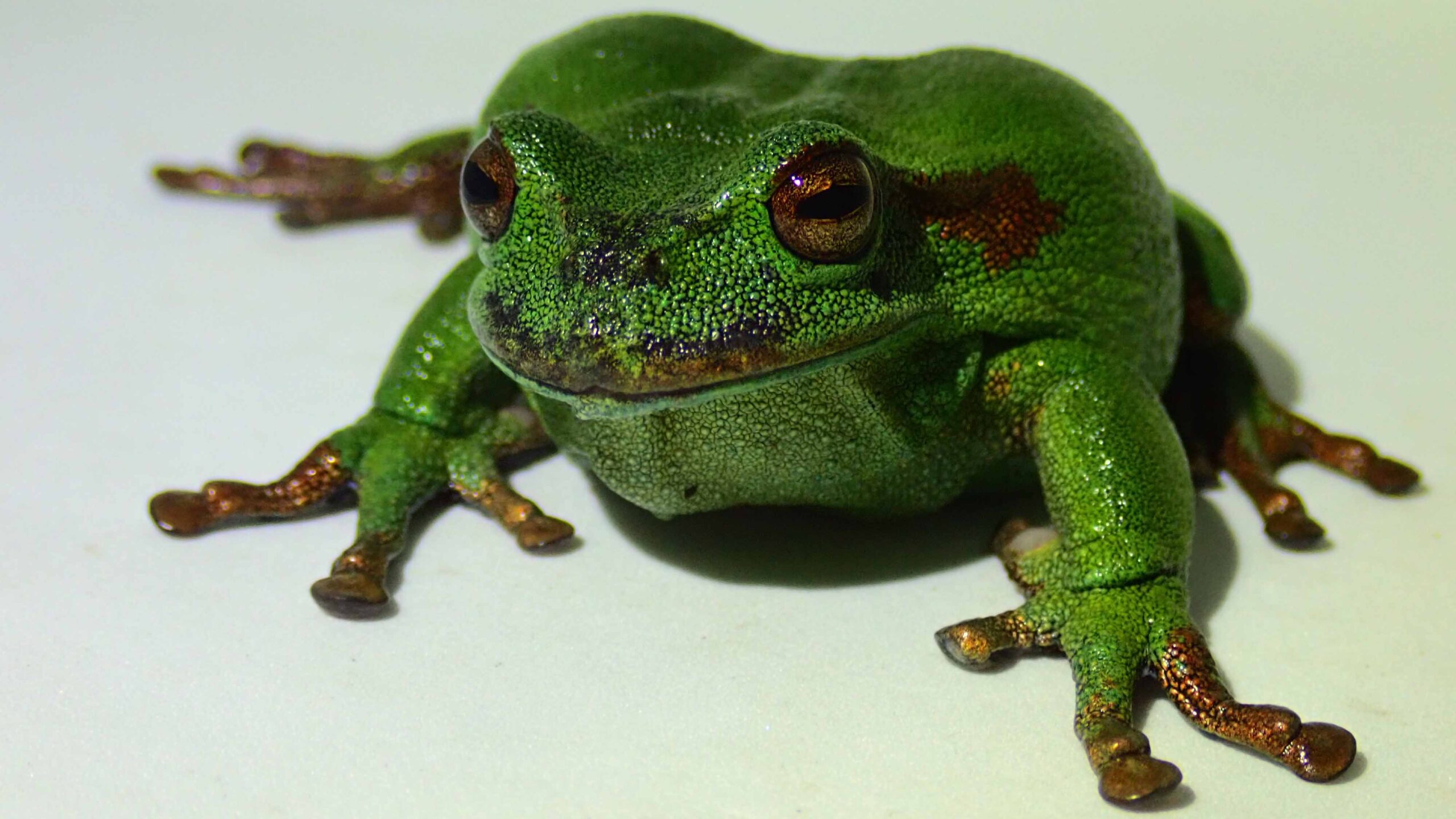
In the case of the green Papallacta marsupial frog (Gastrotheca orophylax) from the Andes in Ecuador and Colombia, fully developed tadpoles still hatch from the brood pouch.
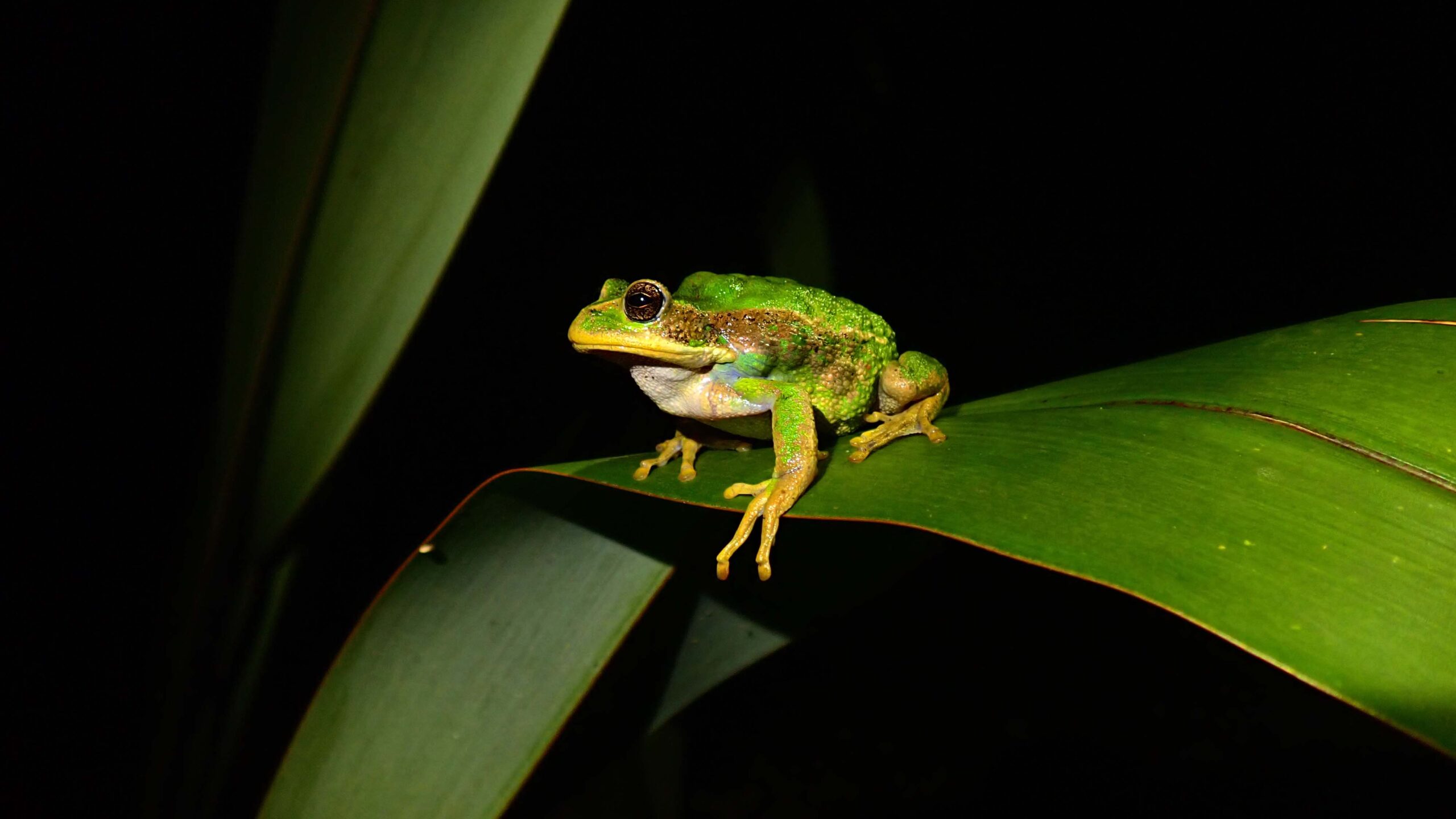
The Cuenca marsupial frog (Gastrotheca cuencana) was only discovered in 2019 and is closely related to the Lojanan marsupial frog. Unfortunately, it is critically endangered for the same reasons as its relative.
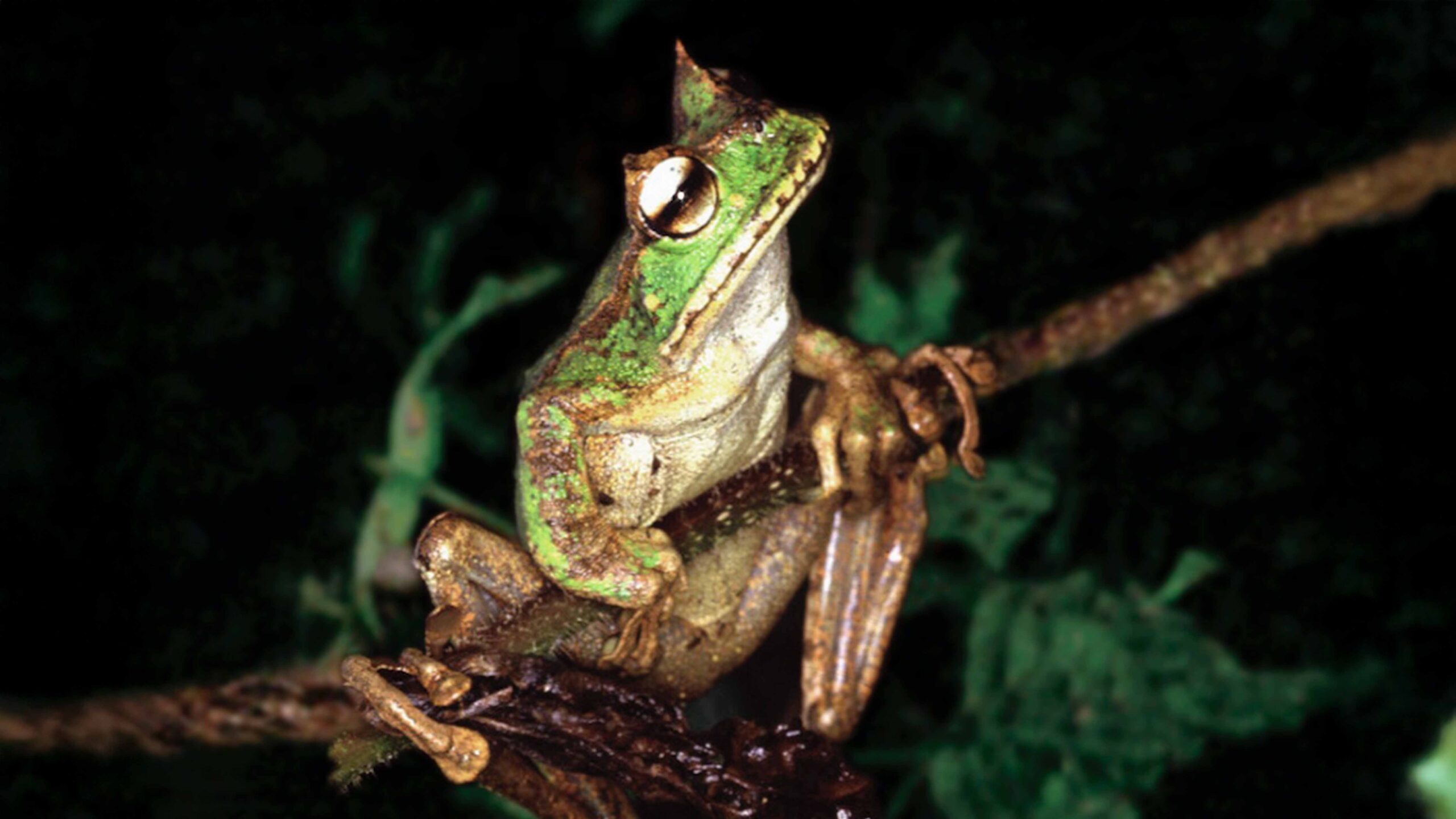
A tragic loss: the marsupial frog Gastrotheca guentheri is believed to be extinct. This is particularly tragic because it was the only known frog to have real teeth in its lower jaw.
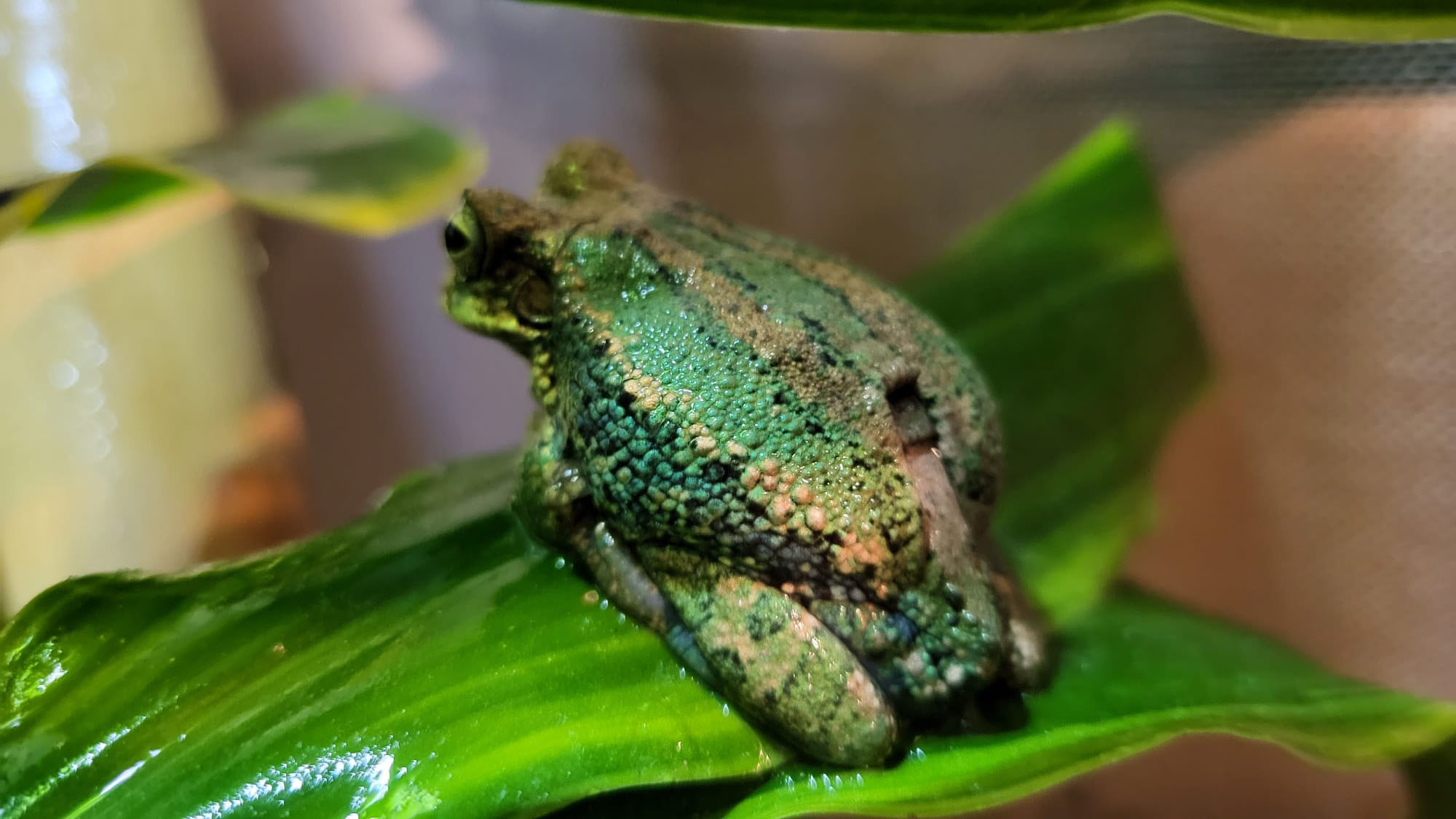
To ensure that tadpoles continue to hatch from this pouch in the future, Citizen Conservation has launched a conservation breeding programme for the Lojanan marsupial frog.
A backpacker frog
With 78 species, marsupial frogs are widespread across tropical America. The opening on the back leads into a brood pouch. Weinstein discovered that inside this pouch, the female frog carries tadpoles that are connected via a sort of umbilical cord to a structure resembling an inflated plastic bag. He realised that these were external gills. With these so-called bell gills, which wrap around them like a protective film, the tadpoles can absorb oxygen from the well-perfused tissue inside the pouch and thus grow undisturbed within the protection of the skin pouch.
Once they are big enough, the mother releases them into a body of water, where they swim about until they undergo metamorphosis, as is typical for tadpoles. In some marsupial frogs, the tadpoles even complete their entire development inside the pouch and only emerge into the open as fully-formed frogs.
"The Lojanan marsupial frog is at the forefront of marsupial frog evolution"
© Amadeus Plewnia
Foot acrobats
The purpose of this brood care is obvious: inside the pouch, the young are perfectly protected from dehydration and predators. This adaptation, unique among frogs, has given rise to further distinctive features. It begins as early as mating. The smaller males cling to the females’ backs in the so-called amplexus, as is typical for frogs. But then, unlike is customary with frogs, they do not deposit their sperm over the eggs emerging from the female’s cloaca; instead, the female turns her cloaca far upwards, creating a small depression on her lower back. The male then deposits his sperm there and spreads it with his feet. The female then begins to lay her eggs. As she does so, the male uses his feet to guide the emerging eggs through the semen on her back and finally tucks them into the female’s pouch.
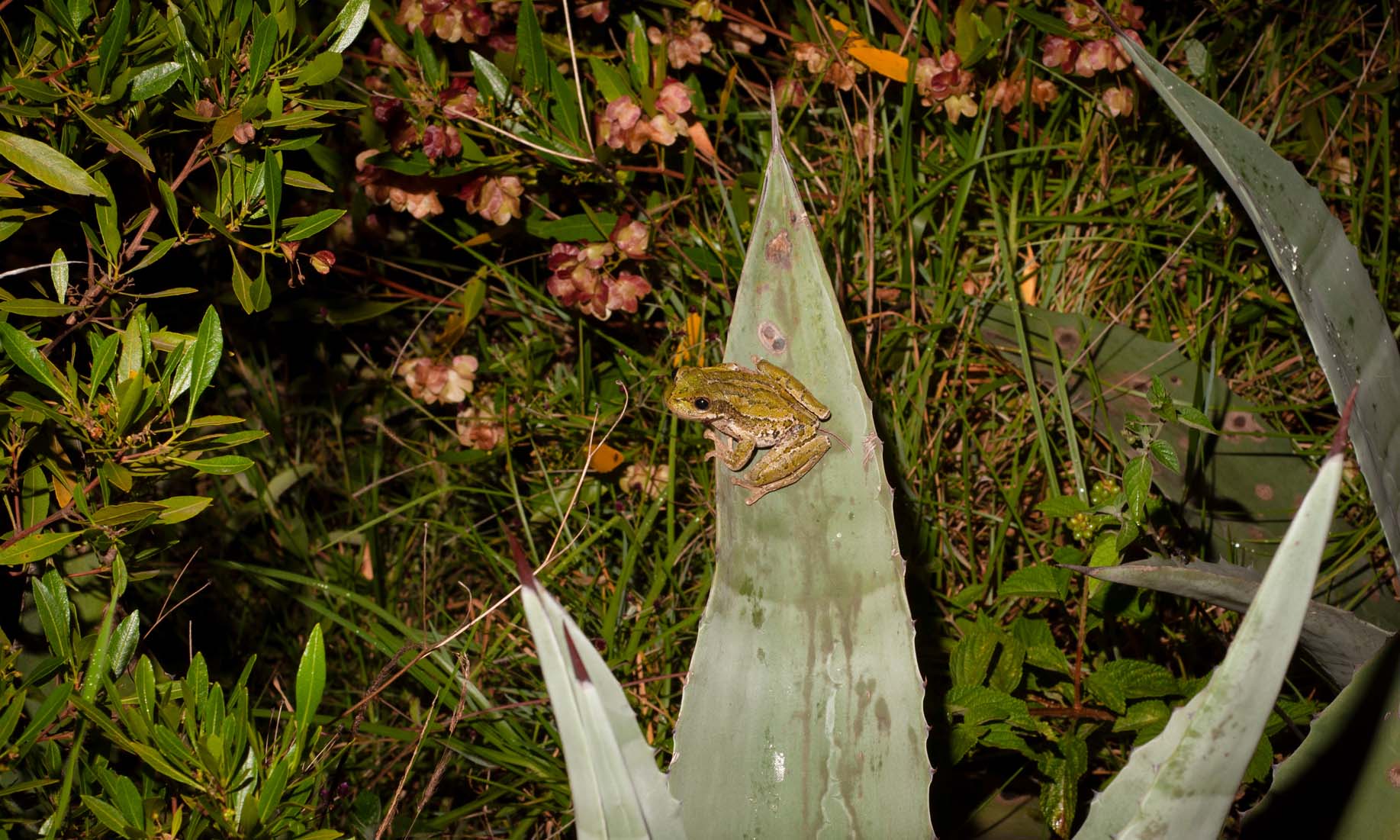
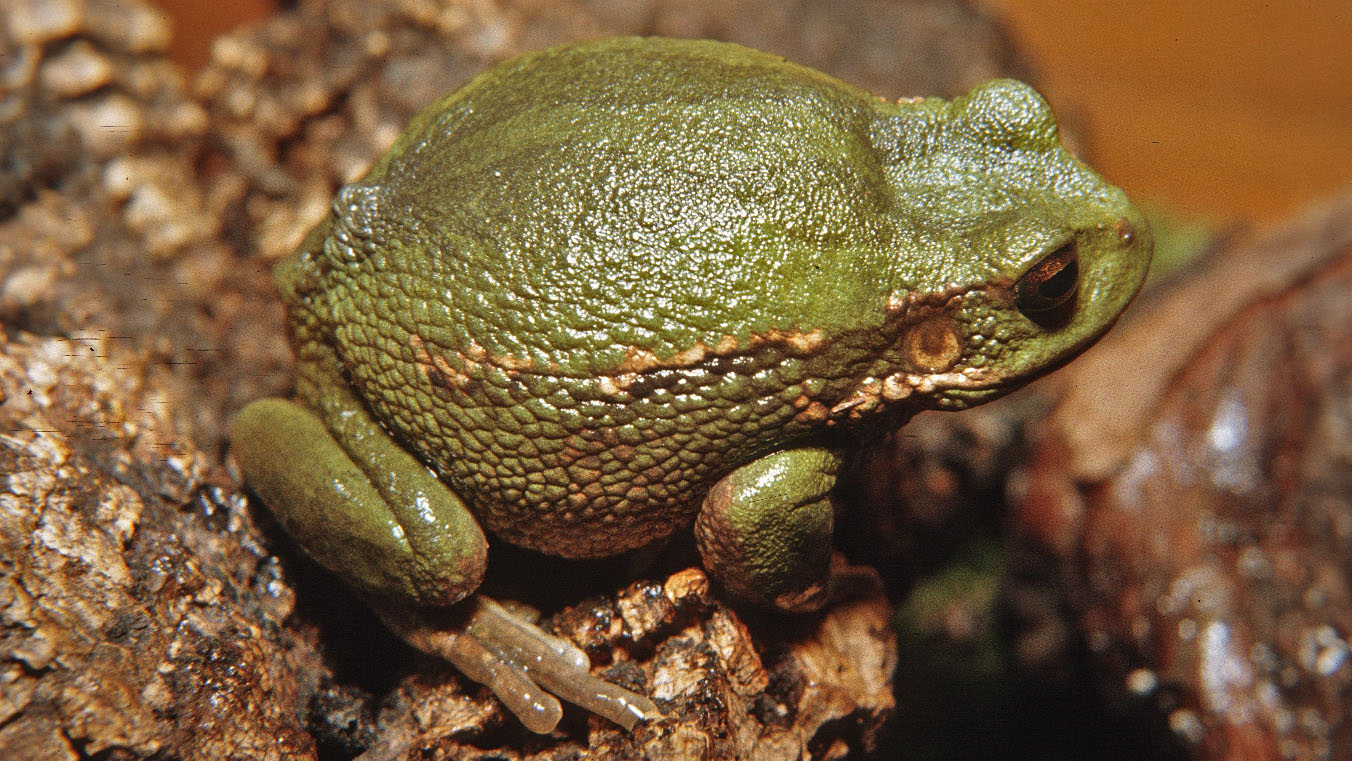
The Lojanan marsupial frog in its natural habitat – but for how much longer? © Luis A. Coloma
Final cleaning included
Within the pouch, a well-perfused tissue of fibrous membranes develops immediately, facilitating gas exchange via the adjacent bell-shaped gills of the tadpoles. In the case of the Lojanan marsupial frog from the Andes in southern Ecuador, the mother makes her way to a body of water after one to two months and releases the larvae into the water. To do this, she spreads the pouch open with the toes of her hind feet so that the tadpoles can find their way out. Finally, the pouch is thoroughly cleaned out: any stubborn nestlings are scraped out just as ruthlessly as the discarded bell-shaped gills and remnants of the breathable pouch tissue. The larvae then swim in the water as if nothing had happened, just like normal frog tadpoles with internal gills, until one day they undergo metamorphosis, start breathing through lungs and move onto land.
Once a frog – and back again
The evolutionary path of the marsupial frogs is also unique. Initially, they developed the strategy of carrying their young in a pouch until metamorphosis: this is practical for tree-dwelling species, as it frees them from dependence on water bodies, which they no longer need to seek out specifically and where, moreover, many dangers lurk for the tadpoles. A problem that other frogs tackle by laying extremely large clutches containing many hundreds or even thousands of eggs. For marsupial frogs, however, relatively few eggs were sufficient because the larvae grow up well protected in the pouch. They were so successful with this tactic that they were also able to colonise the páramo regions in the high altitudes of the Andes. Yet there are no trees there; instead, there are many small bodies of water and few predators. Consequently, the Lojanan marsupial frogs and their relatives have taken a step back in their evolution: the considerable effort required of the mother to carry her young around until metamorphosis was no longer necessary. That is why they now cast their brood out of the house – or rather, out of the pouch – at an earlier stage. The Loja pouched frog is thus at the forefront of pouched frog evolution!
Safeguarded by the bag
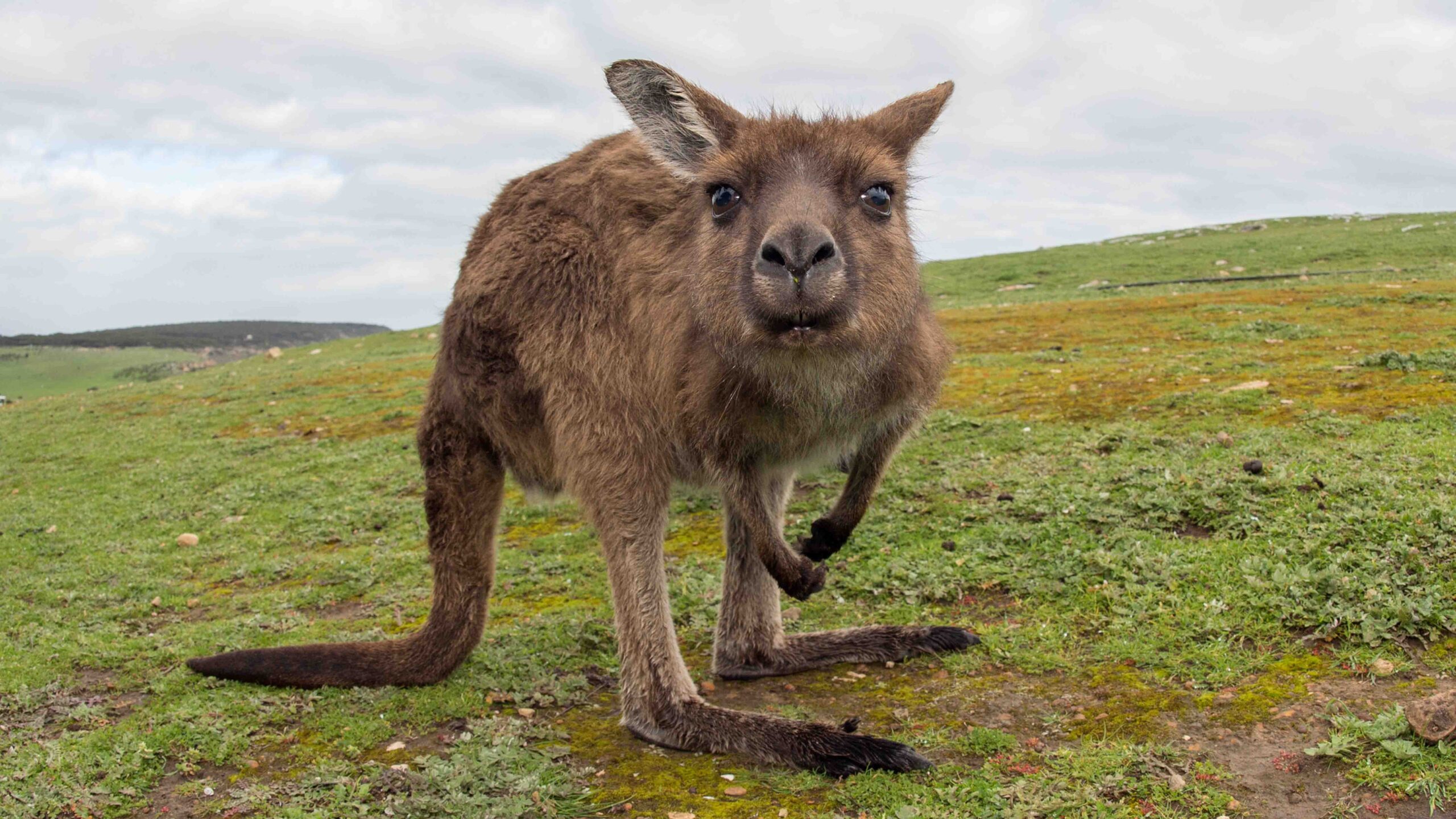
Well, look at that! Several groups of animals have developed this pouch trick. The best-known example is, of course, the kangaroo, such as this western grey giant kangaroo.
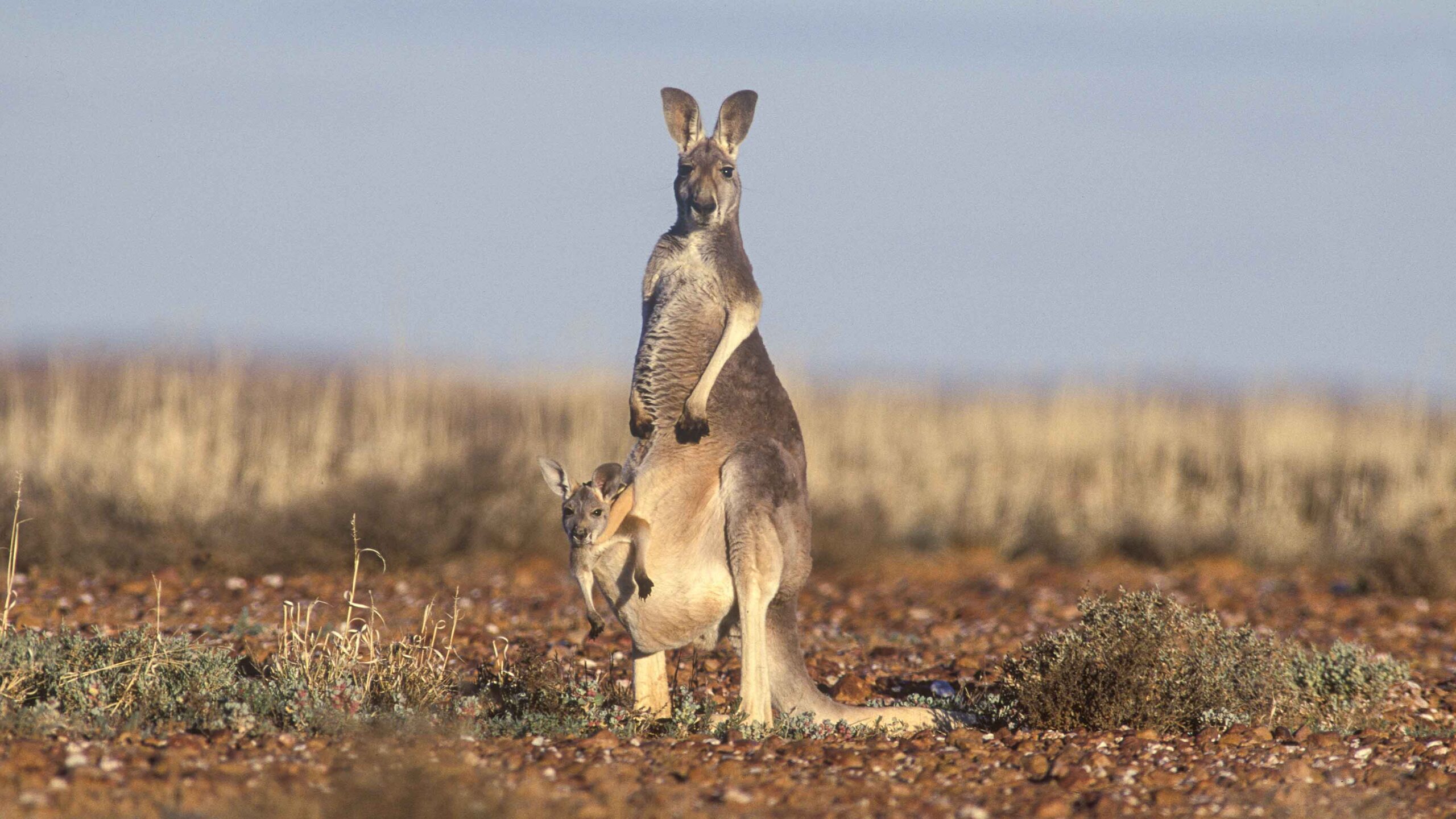
A red kangaroo with a joey peeking out of its pouch
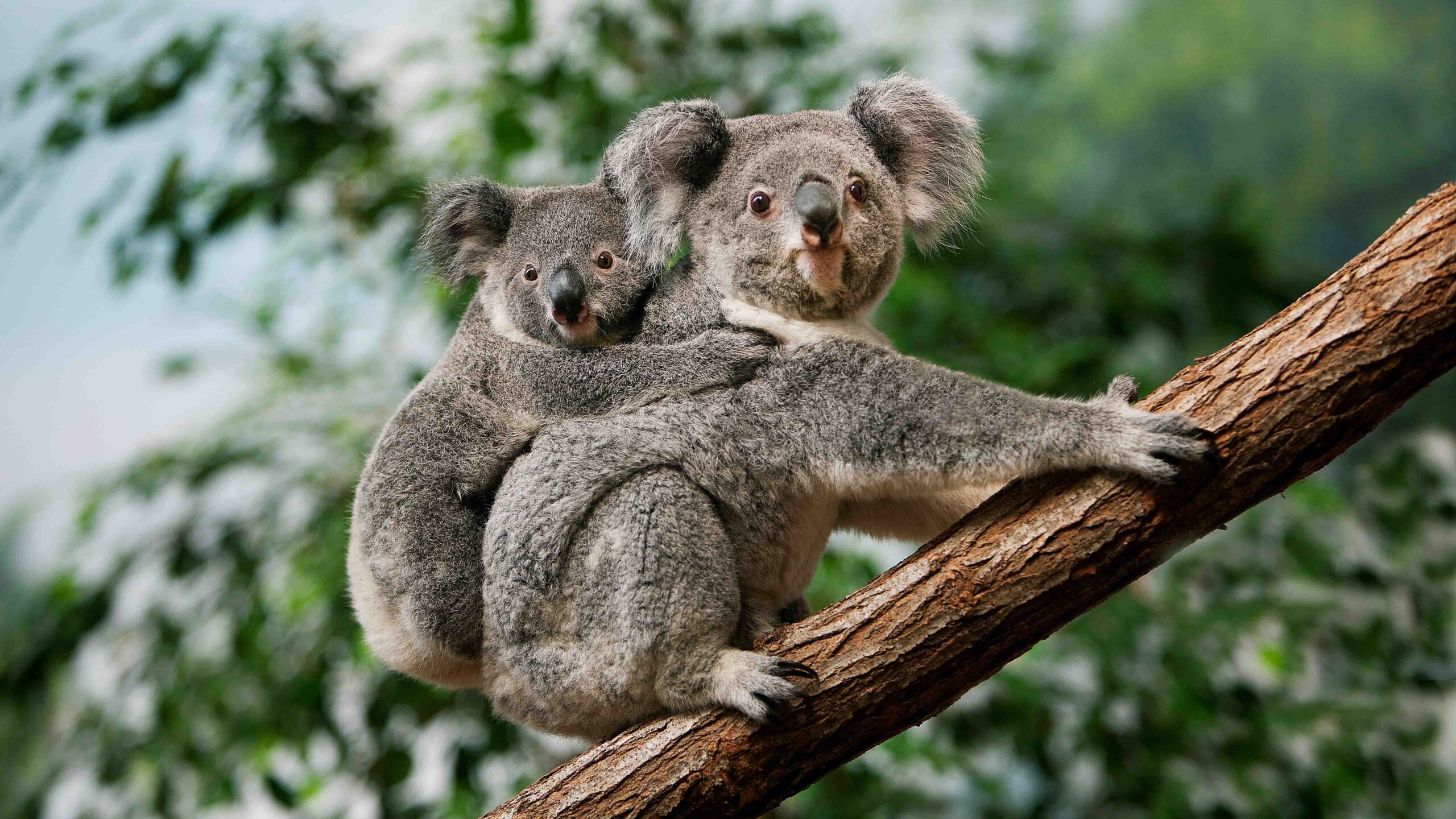
Koalas take things very slowly: the young grow up in the pouch first, and then their mother carries them around on her back for months
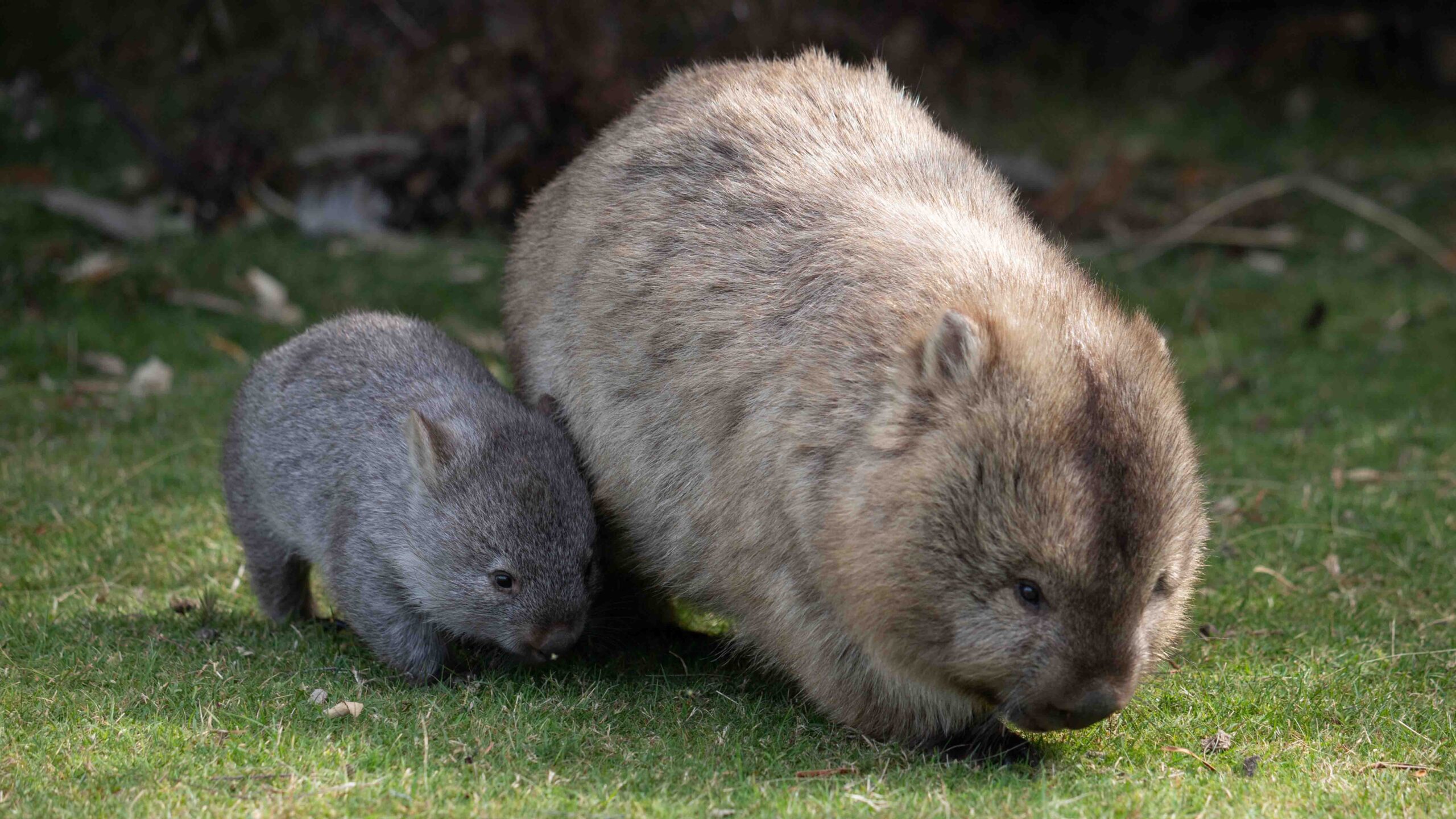
Common wombats are also among the star marsupials.
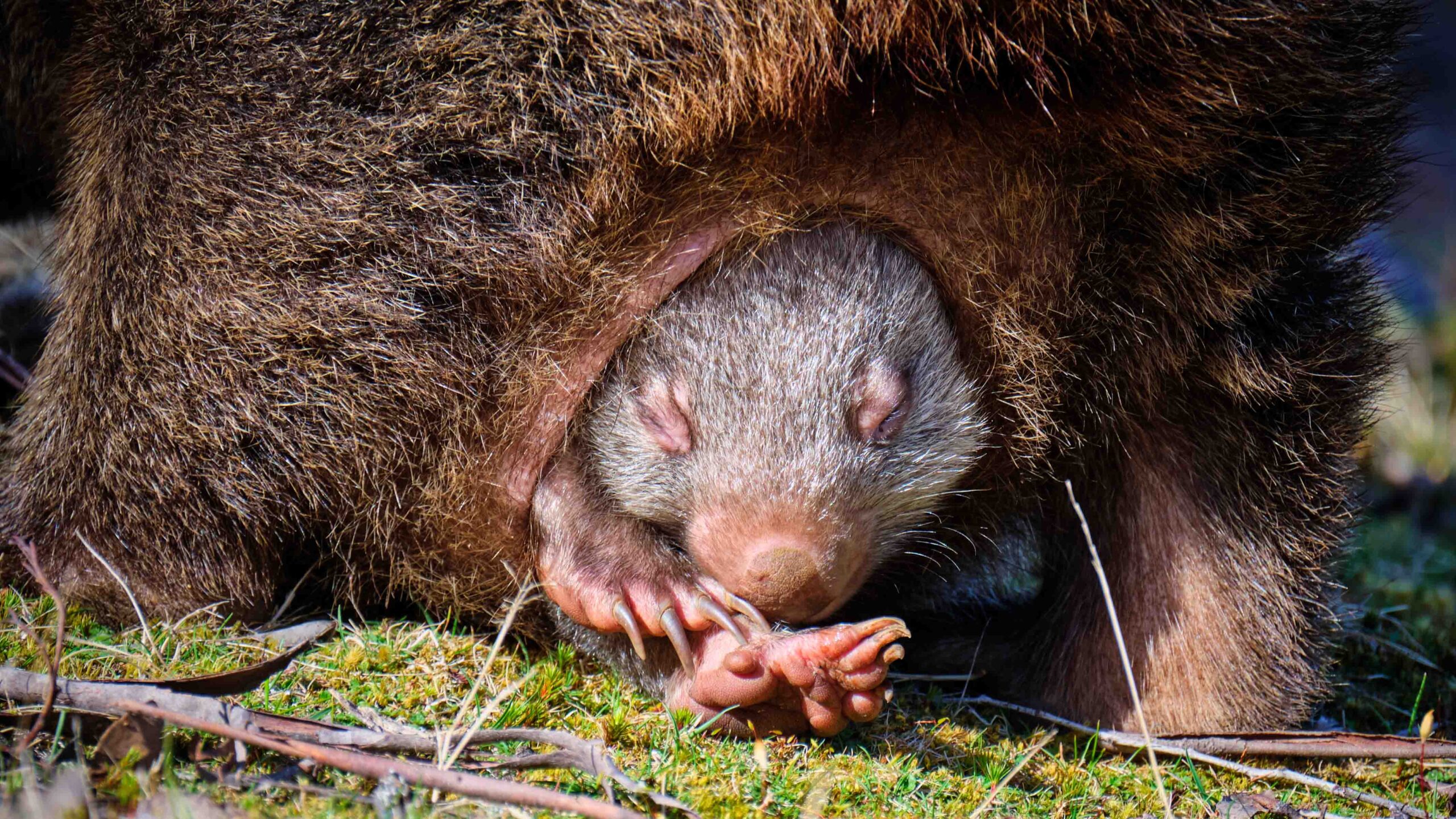
A young wombat peeks out of its mother’s pouch.
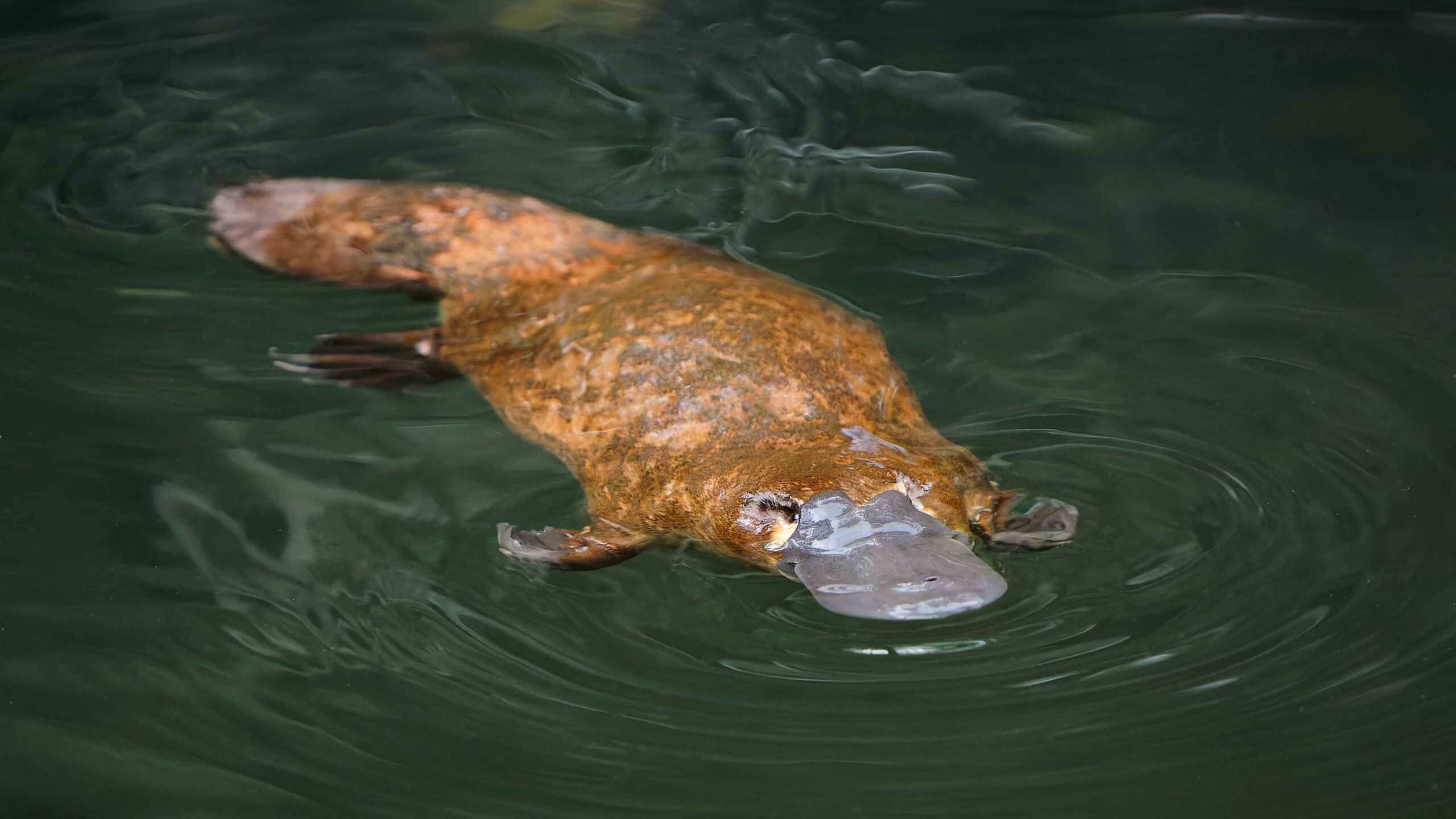
As if the pouch bag thing wasn’t extravagant enough: the platypus also lays eggs and is poisonous. Oh, and it has a beak, too.
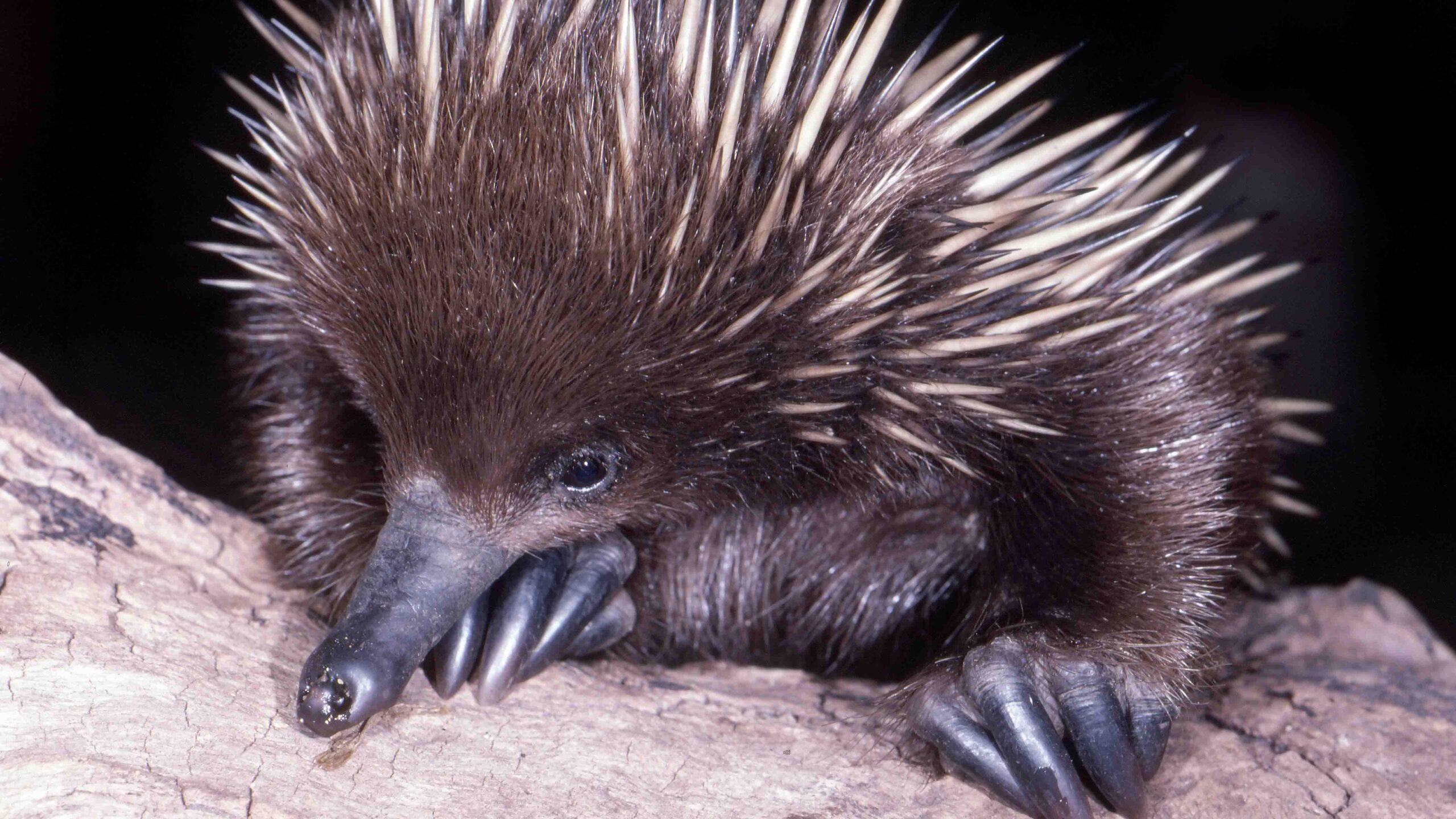
Another oddball marsupial: the egg-laying echidna
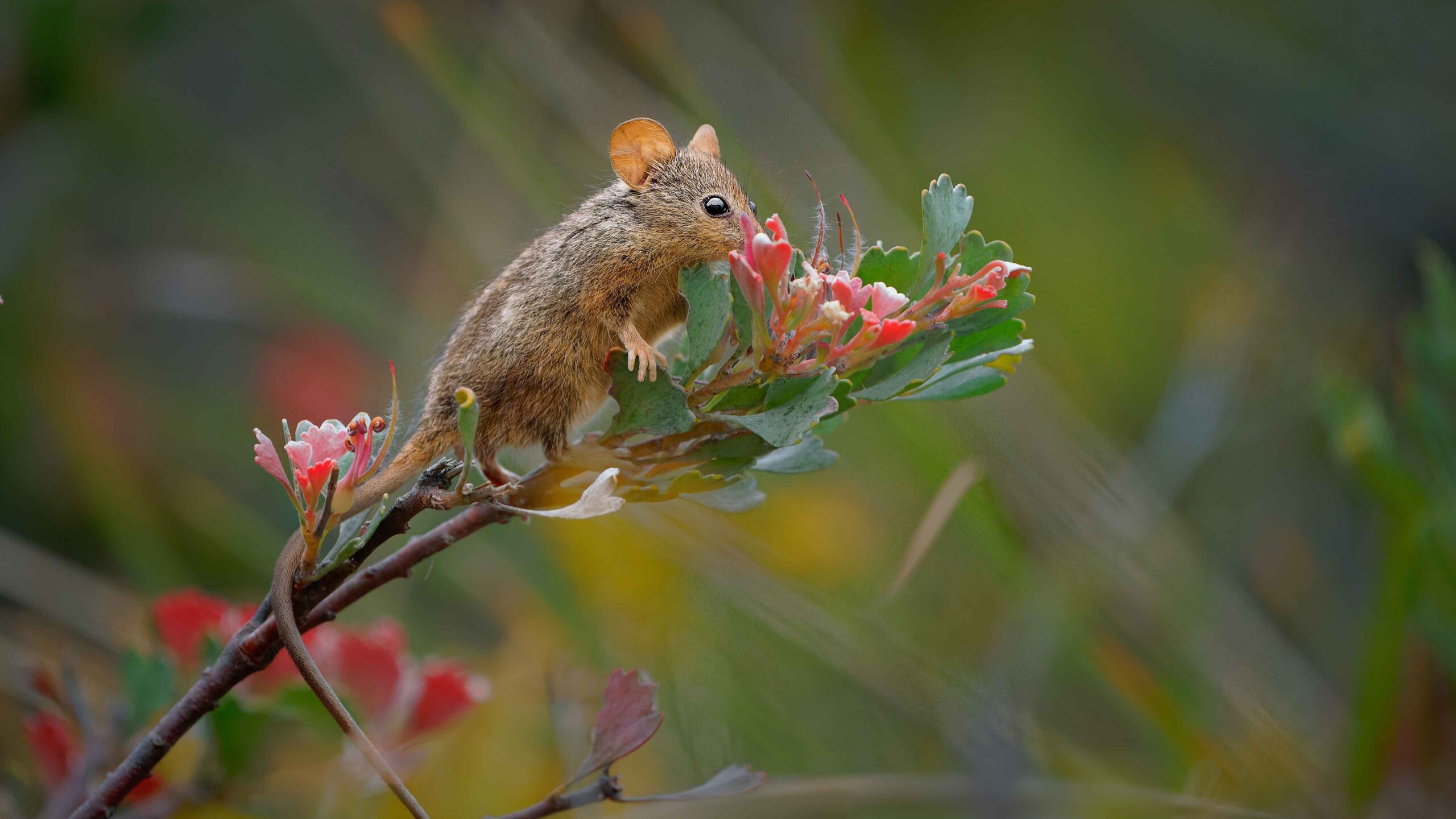
Marsupials can also look like unassuming mice, such as this honey possum.
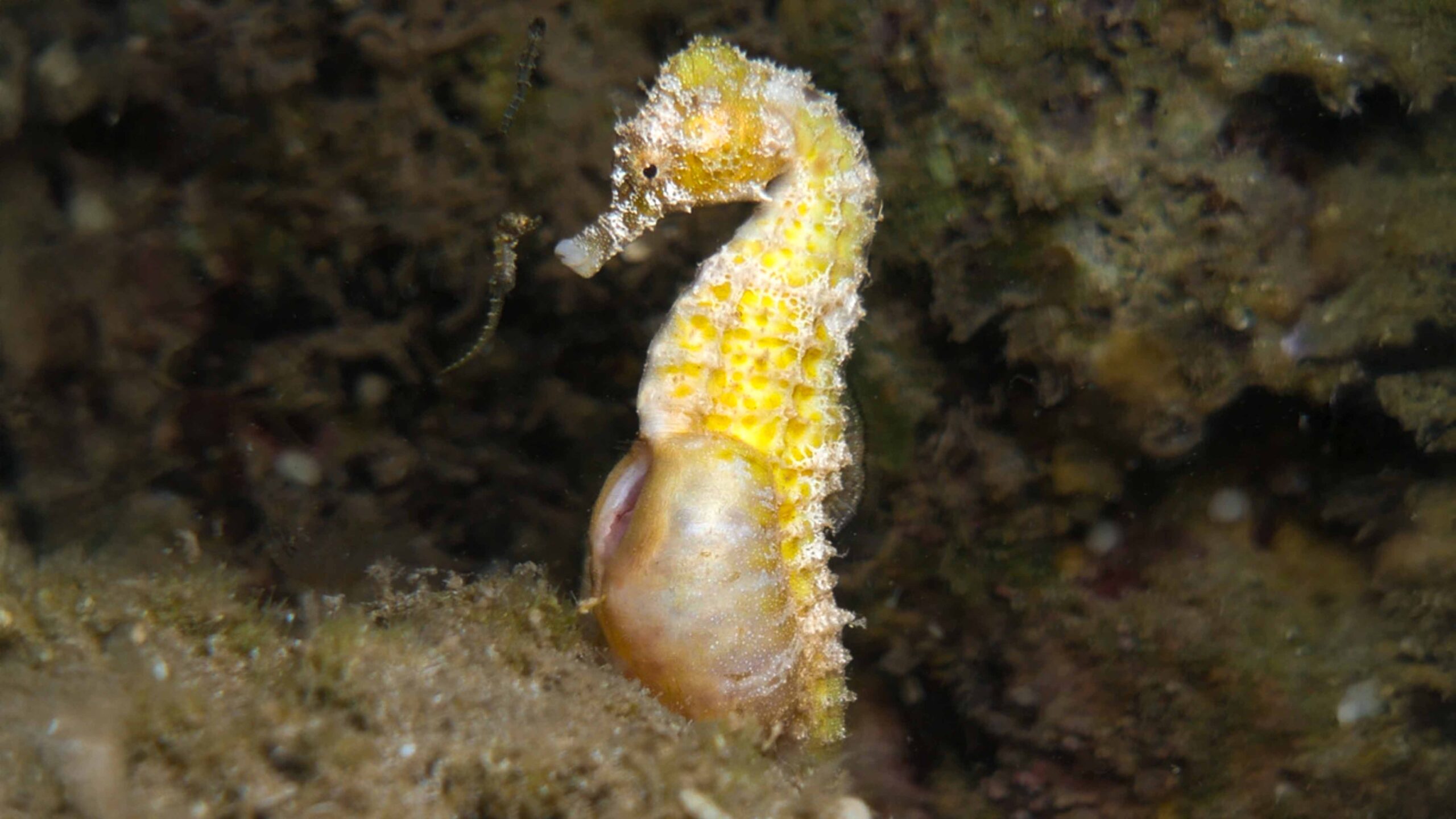
The seahorse is a marsupial among fish: in this species, it is the males who raise the young in the safety of their pouch.
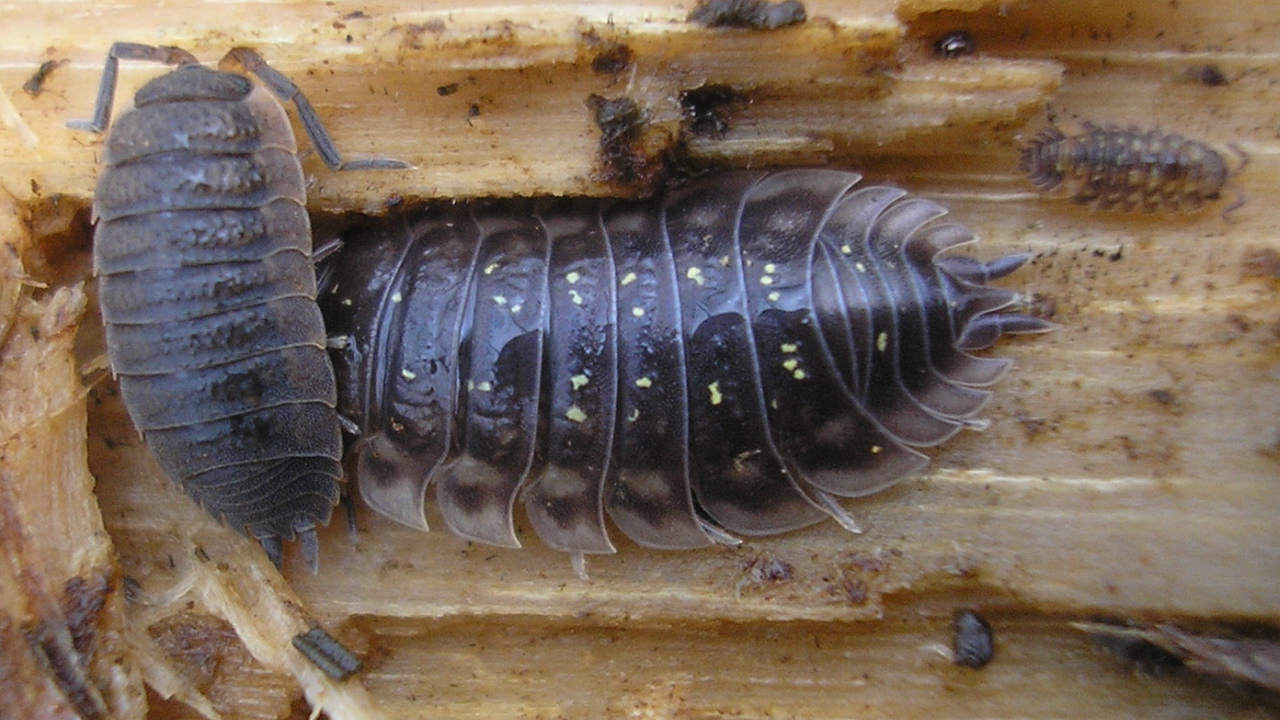
If you want to see real marsupials in your own garden, all you have to do is turn over a paving stone: in the case of woodlice, the eggs and young develop in a pouch on the female’s body.
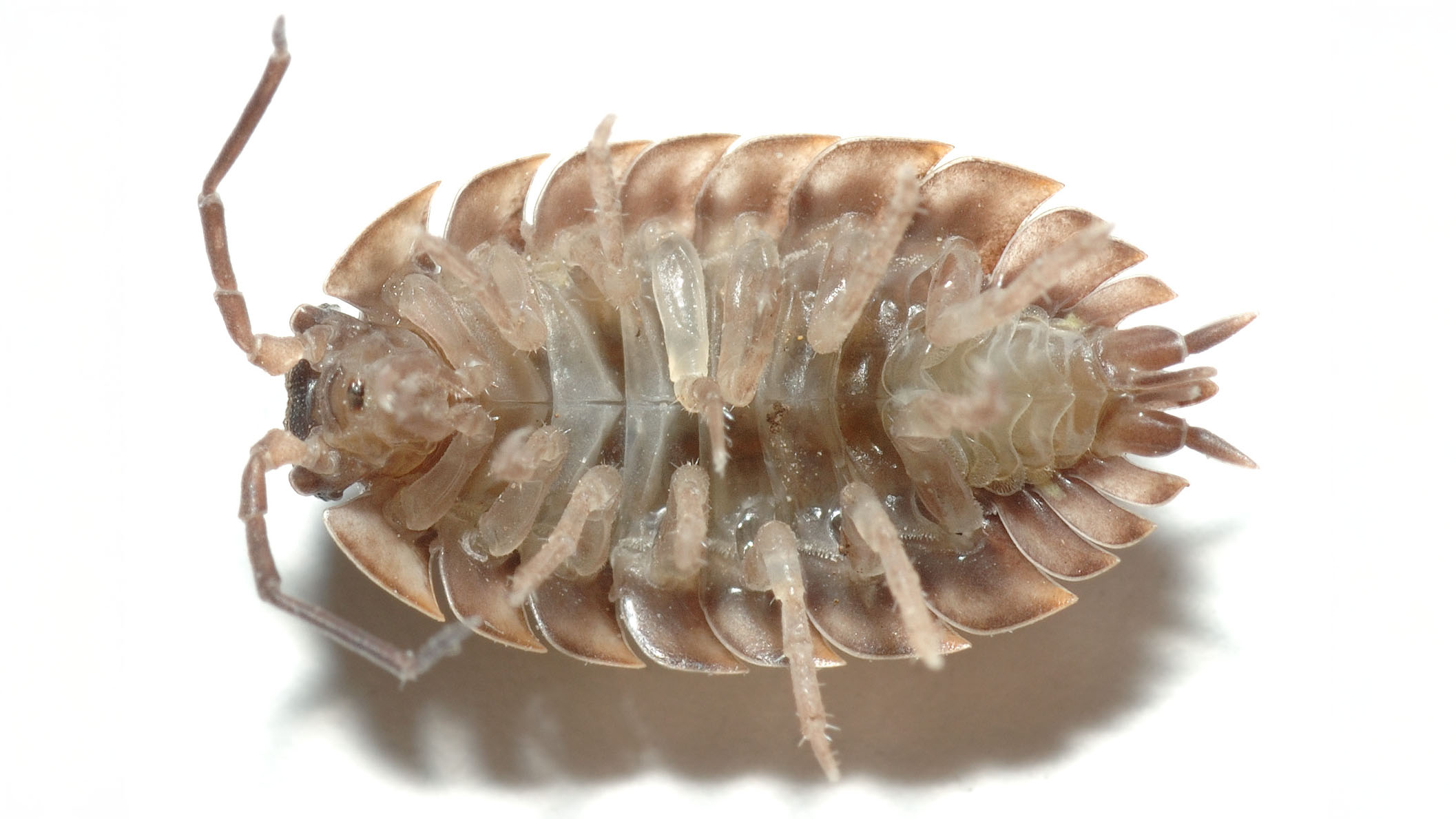
Female woodlouse with a clearly visible brood pouch (marsupium)
Among amphibians, however, the marsupial frogs are the only marsupials.
The trick turns into a trap
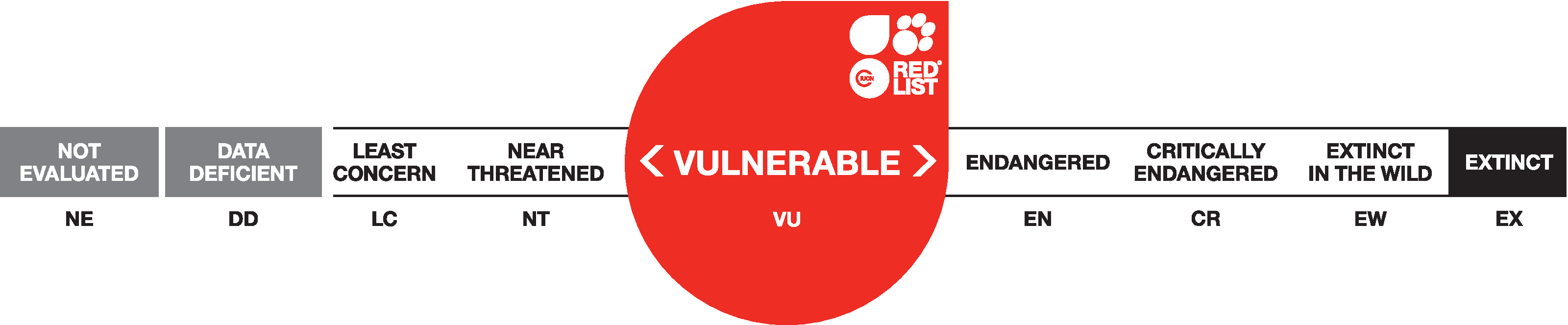
This makes it all the more tragic that it is on the brink of extinction. The situation does not yet appear quite so dire on the International Red List, where the species is still classified as “vulnerable”. This is because that classification dates back to 2016. However, recent research findings conclude that the Lojanan marsupial frog must be classified in the highest category, ‘critically endangered’, in the next update of the Red List. This is because its former adaptive successes have now turned into the opposite. The páramo and scrubland areas around the Ecuadorian city of Loja, which it originally inhabited, have been largely destroyed by human settlements and agriculture, and now the tadpoles that have returned to the water are suddenly having to contend with pollution and introduced fish. These unique frogs are thus at risk of being lost forever – so it is high time not only to protect their habitat, but also to establish a conservation breeding programme for them!
For breeders
Basic information on biology and breeding
A frog suitable only for experienced keepers. It is important to ensure that temperatures drop as much as possible at night. Daytime temperatures 16–24 °C. Terrarium for a pair: minimum dimensions 50 x 50 x 60 cm (length x width x height). Three-month dry season; high humidity at night. Feeding on live insects is straightforward.