


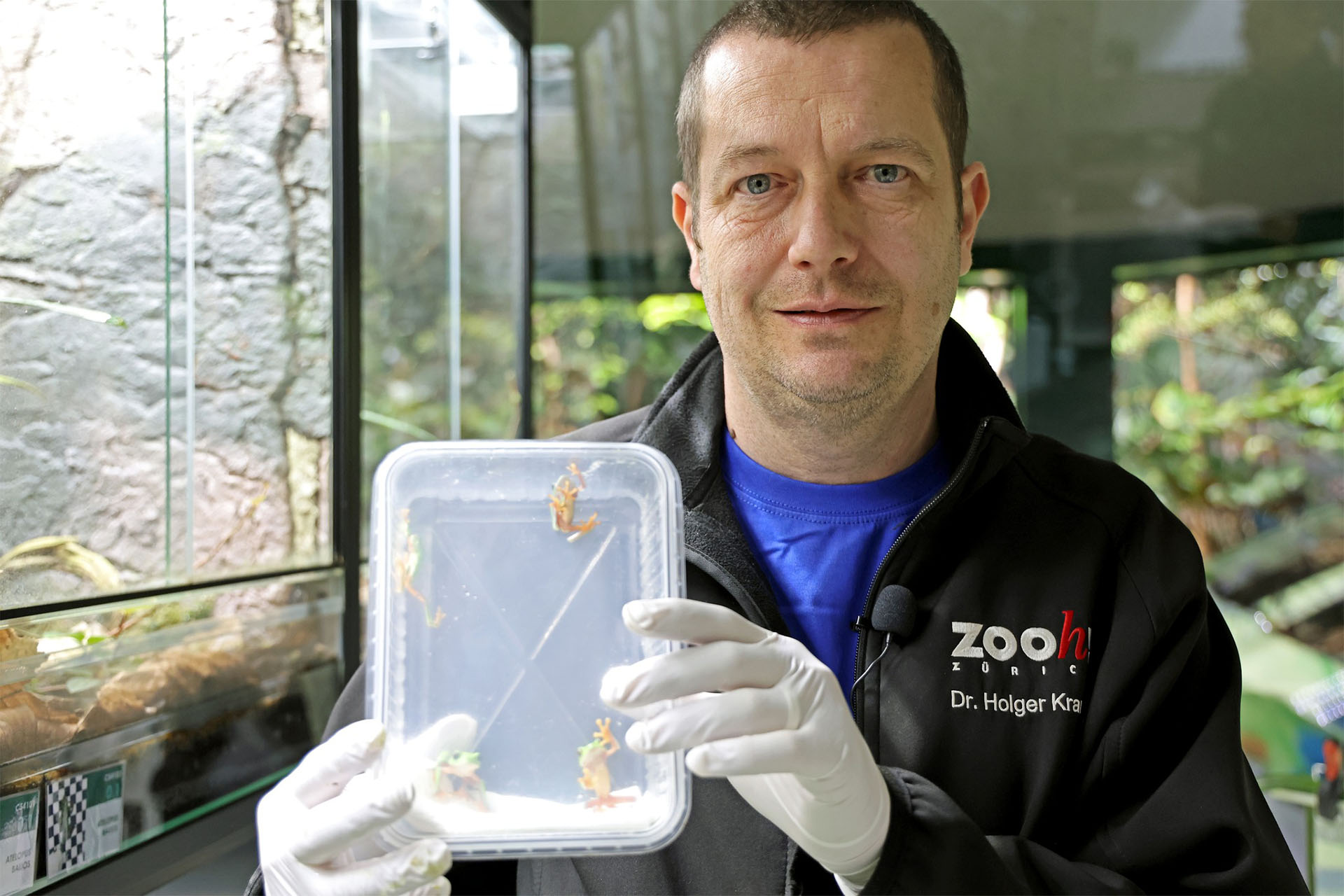
Now that’s a strange smoothie! In 2024, customs officials at Zurich Airport noticed a tourist from Costa Rica carrying three thermos bottles, which contained not drinks but water with tadpoles and a frog’s clutch of eggs. The authorities handed the amphibian mix over to Zurich Zoo, particularly as it was ultimately unclear what would develop from the tadpoles and eggs. As it turned out, they were the offspring of two internationally protected species: the Red-eyed Leaf Frog and its endangered relative, the Orange-eyed Leaf Frog (Agalychnis annae).
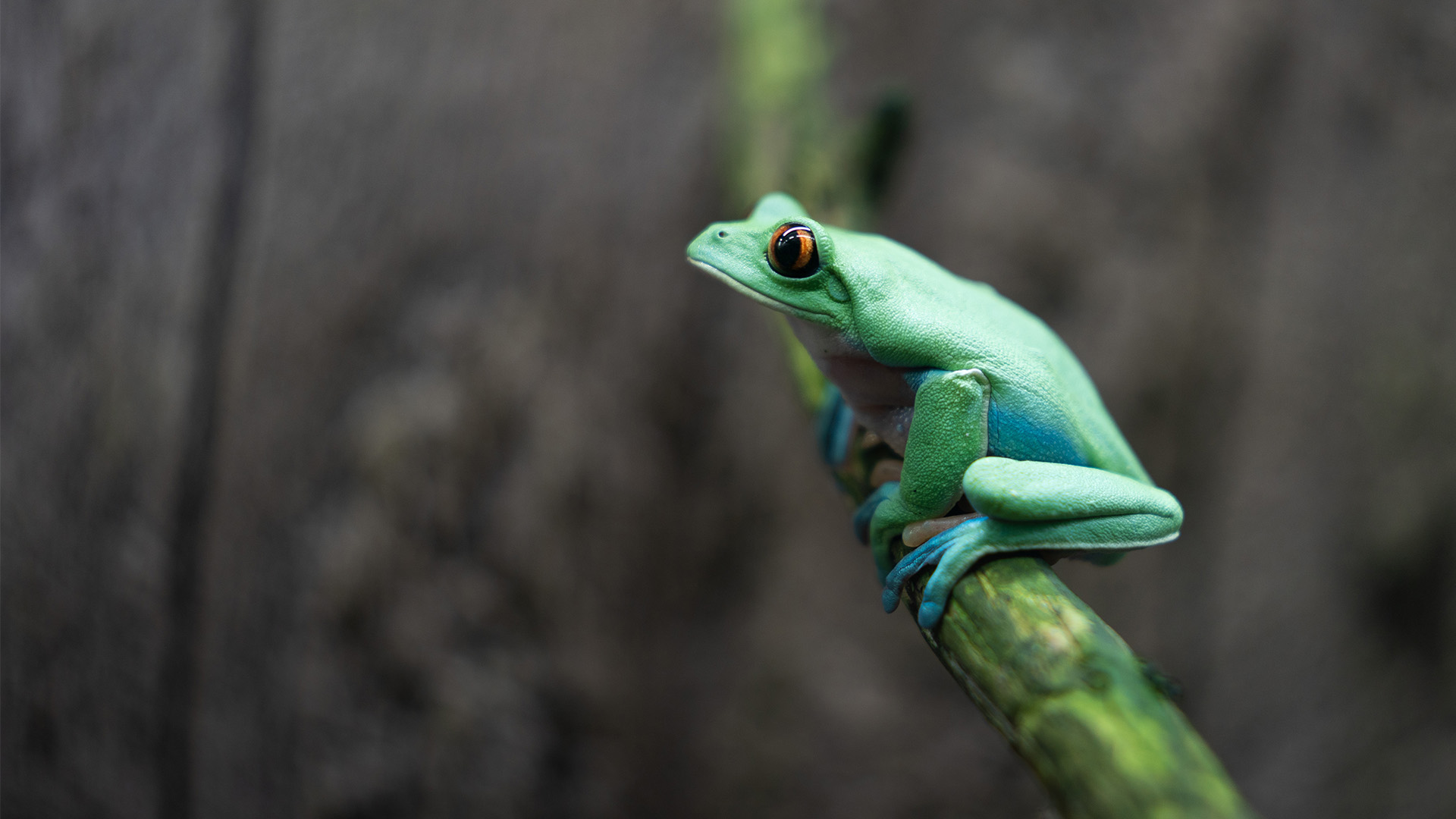
Orange-eyed Leaf Frog (Agalychnis annae)
Surviving in the big city
At Zurich Zoo, curator and CC Advisory Board member Holger Kraus and his team successfully bred the frogs, which clearly felt at home in their new habitat. After less than a year, they began breeding themselves in August 2025. Eventually, over 200 young frogs of this endangered species were born in Zurich.
With its green body, blue flanks and orange eyes, the Orange-eyed Leaf Frog is an iconic species. Unfortunately, it has suffered devastating population declines. In the 1980s, it became extinct across most of its former range, even in largely untouched national parks. The reason for this was the notorious chytrid fungus, which wreaked havoc in Central America and wiped out entire species. Fortunately, the Orange-eyed Leaf Frog survived – of all places, in the capital San José, which is particularly affected by environmental pollution and urbanisation, and in the surrounding coffee plantations. The reason why remains unclear for the time being.
A flying start
It is clear, however, that the situation of the last surviving populations is so precarious that we cannot simply rely on them to recover on their own. Zurich Zoo has therefore approached Citizen Conservation to set up a conservation breeding programme together.
Once all the necessary official permits had been obtained, Holger Kraus and Lukas Reese from the Karlsruhe Zoological Garden packed up 187 of the frogs last week, took them through customs and finally transported them to Karlsruhe Zoo. There, CC Advisory Board member Tobias Eisenberg was already waiting to take charge of the animals and distribute them straight away – a smooth ‘frog chain’ involving handovers at motorway service stations, private homes and zoos, which resulted in the valuable amphibian cargo being distributed across the country to 14 husbandries within 48 hours, where the experienced keepers from Citizen Conservation and the zoos in Karlsruhe, Chemnitz and Rheine were able to place them safely in their terrariums. The spectacular operation was accompanied by a television crew from SWR.
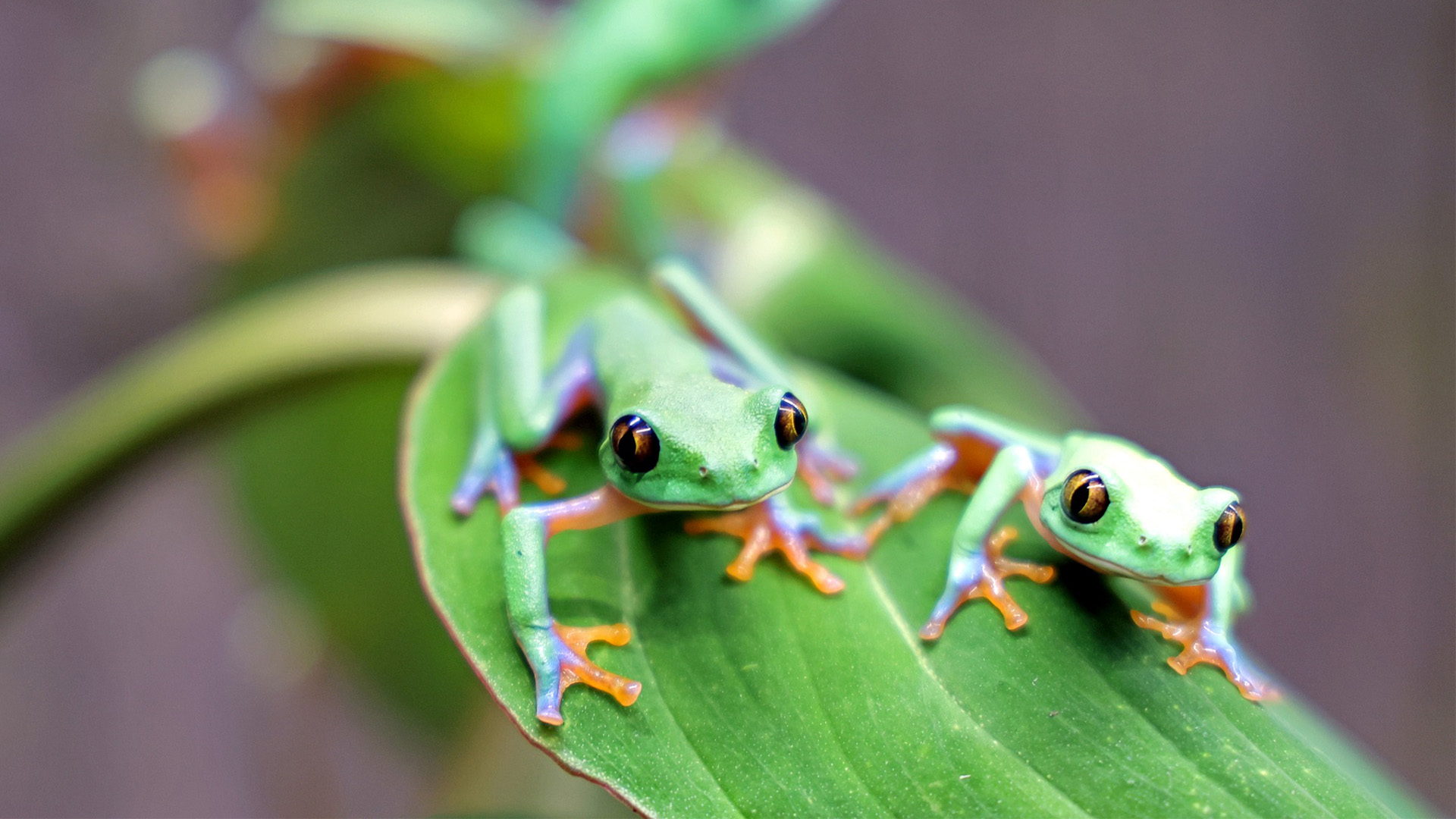
The real stars of this road movie: Orange-eyed Leaf Frogs (Agalychnis annae)
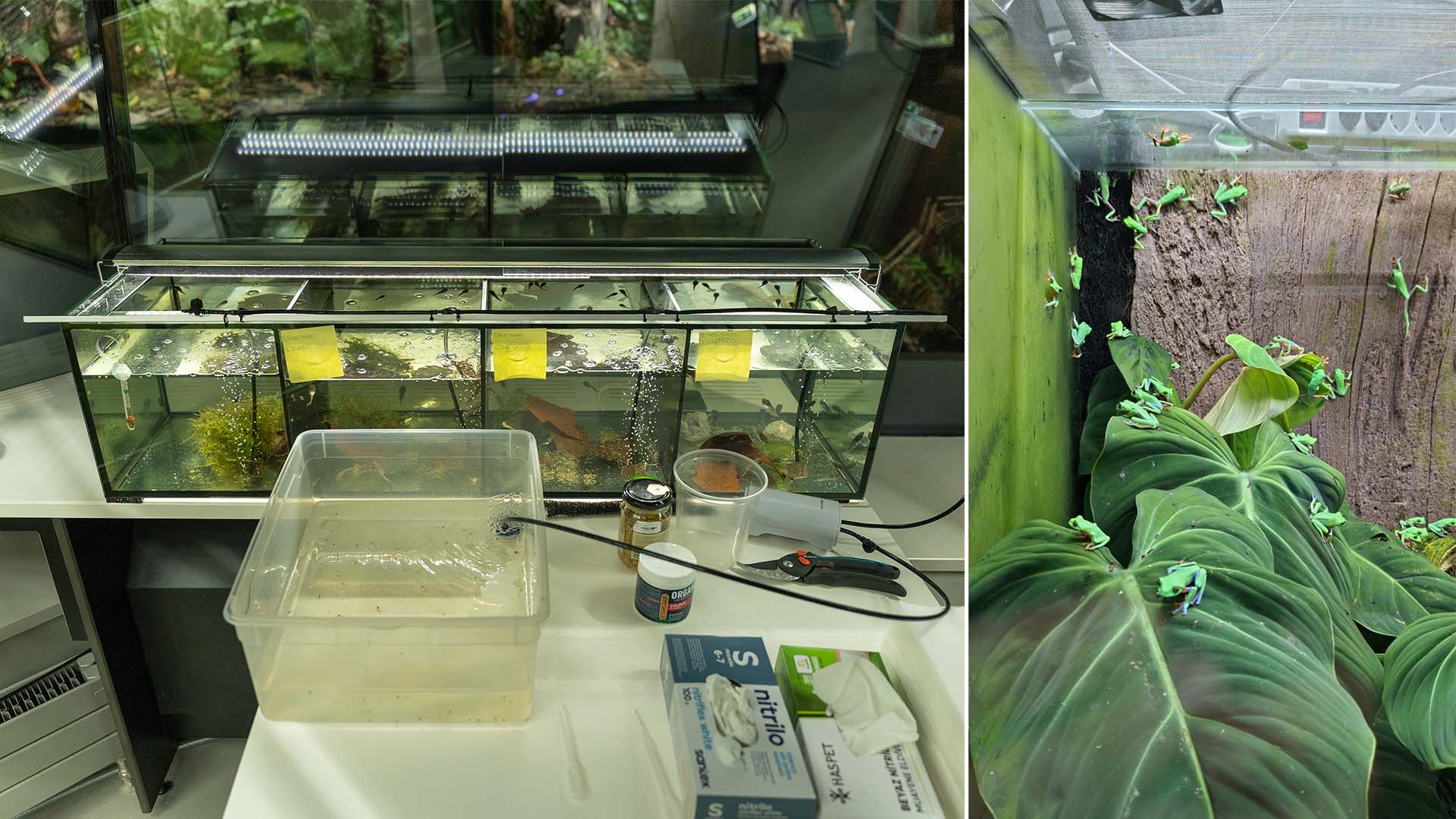
The orange-eyed nursery (left) – part of the tadpoles breeding facility at Zurich Zoo – and the orange-eyed Kindergarten at the zoo’s research station (right).
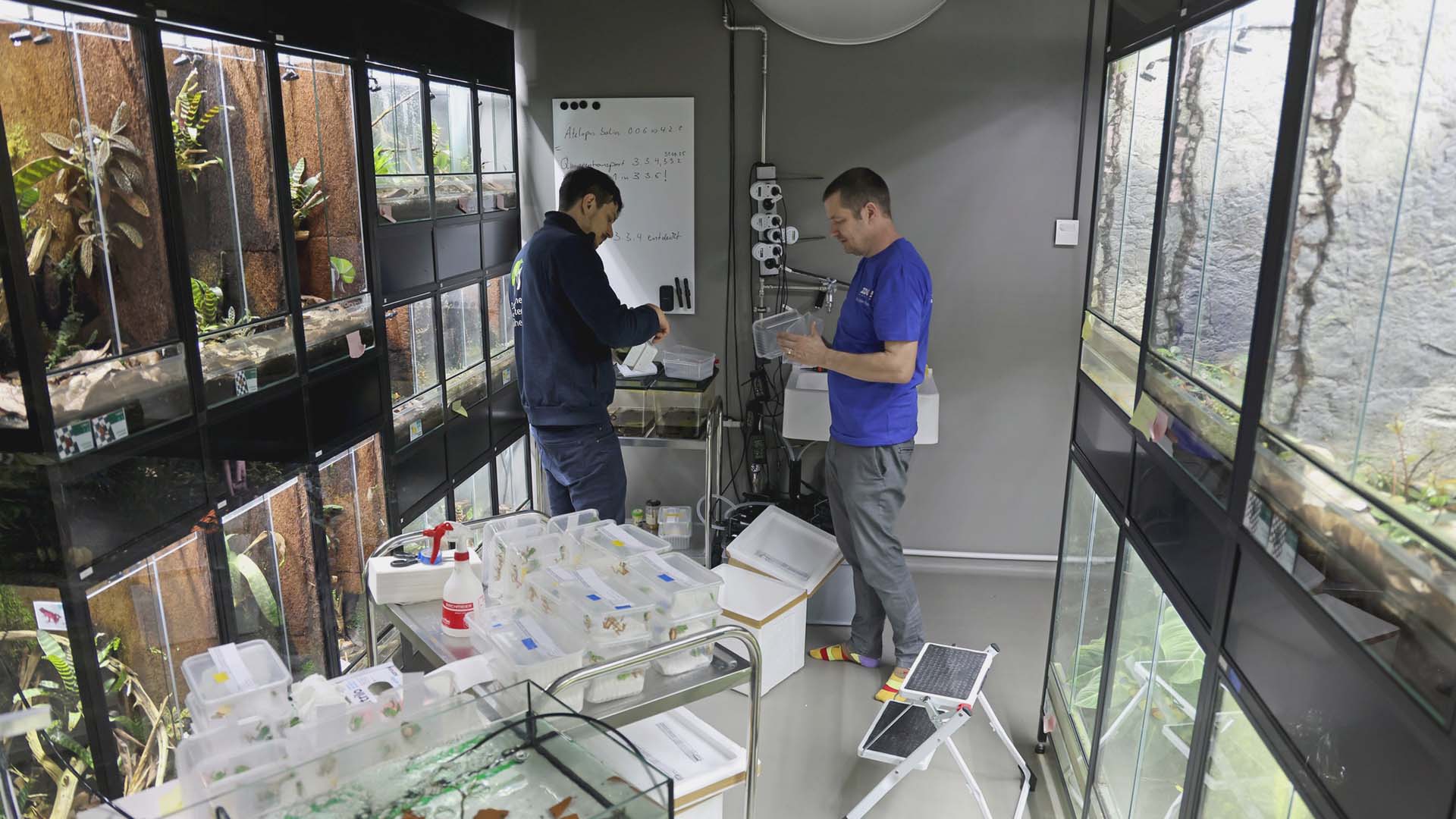
A big frog-packing session at the Zurich Zoo research station
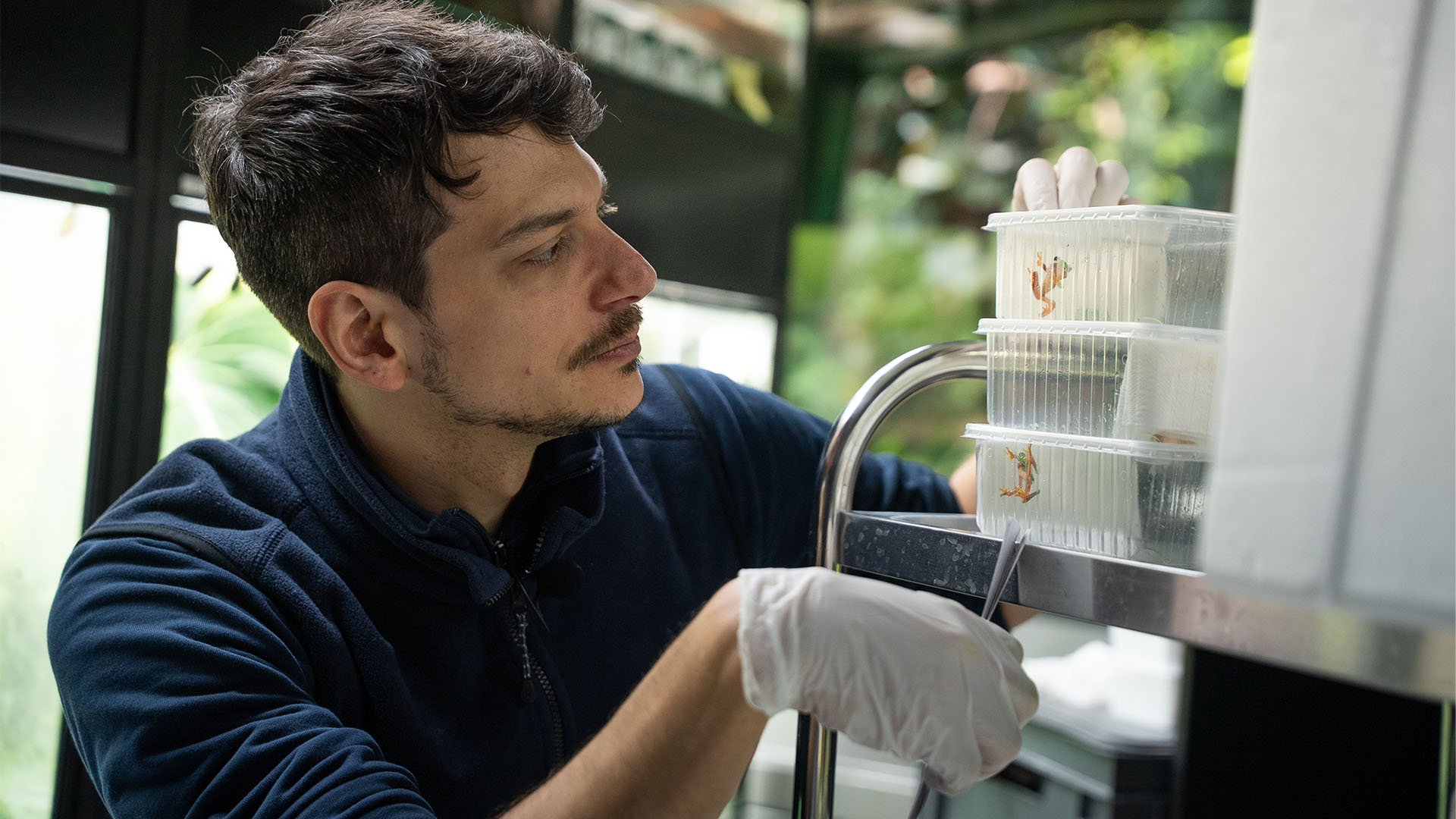
Your orange eyes make me feel so sentimental... Lukas Reese checks the packed transport boxes
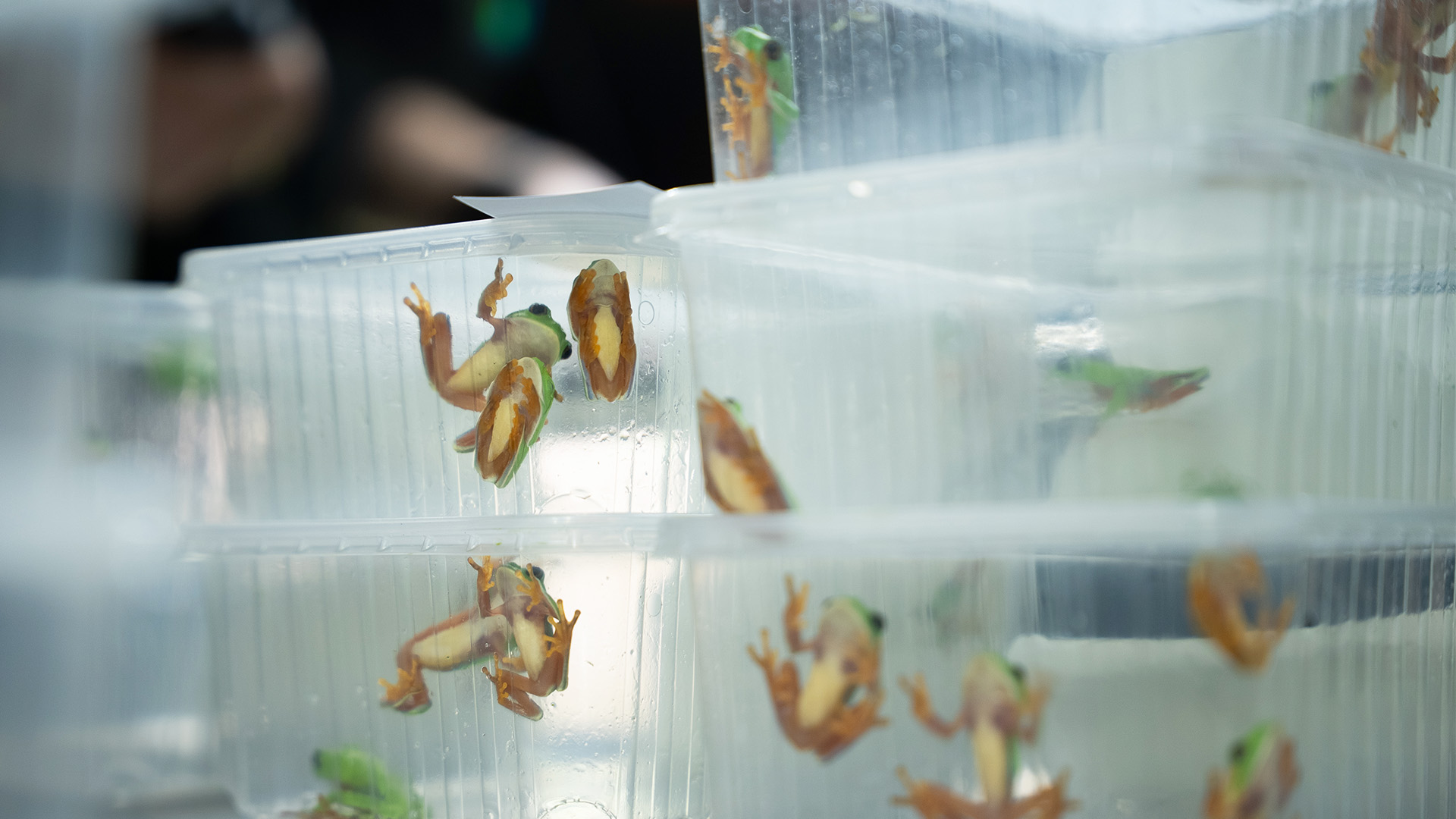
Ready to go!
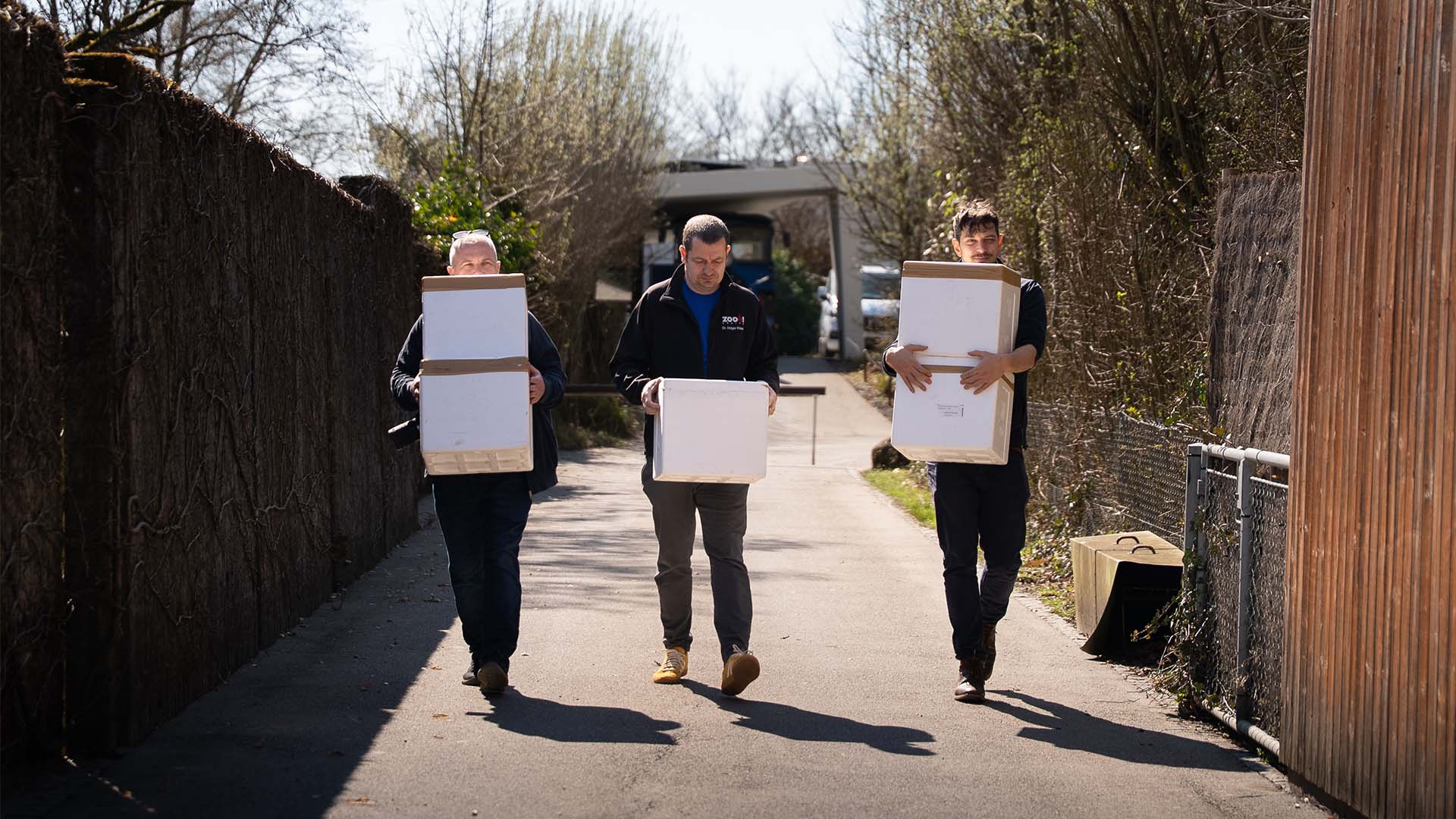
The Great Adventure begins: securely packed in insulated styrofoam boxes, the frogs set off on their journey to Karlsruhe
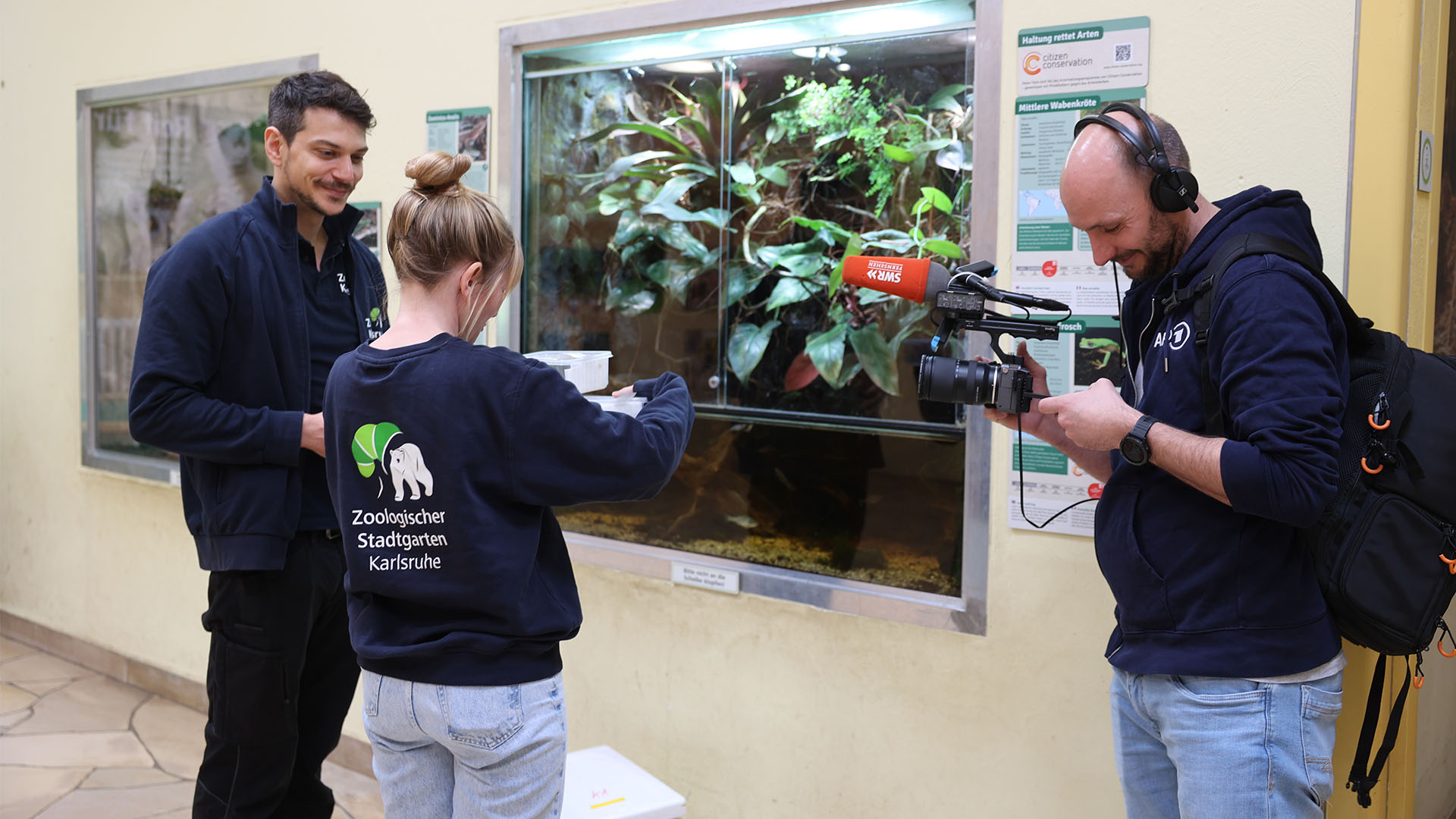
At the destination: the Orange-eyed Leaf Frogs for Karlsruhe Zoo are being placed in their new terrarium – and the SWR camera is there to capture it all.
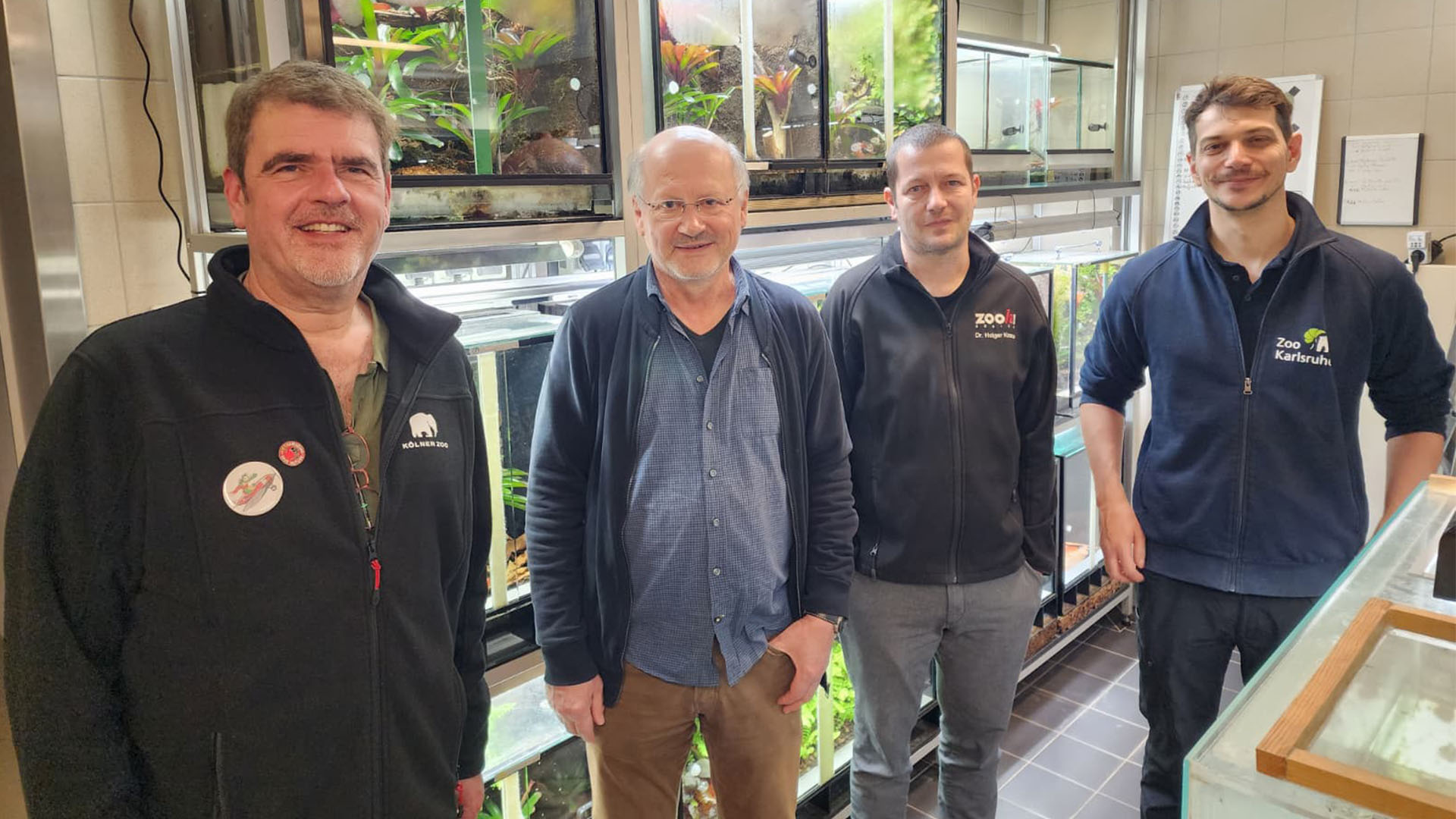
Four species conservationists and CC Advisory Board members are delighted with the successful frog chain: Thomas Ziegler, curator at Cologne Zoo; private owner Karl-Heinz Jungfer; Holger Kraus, curator at Zurich Zoo; Lukas Reese, curator and veterinarian at Karlsruhe Zoo
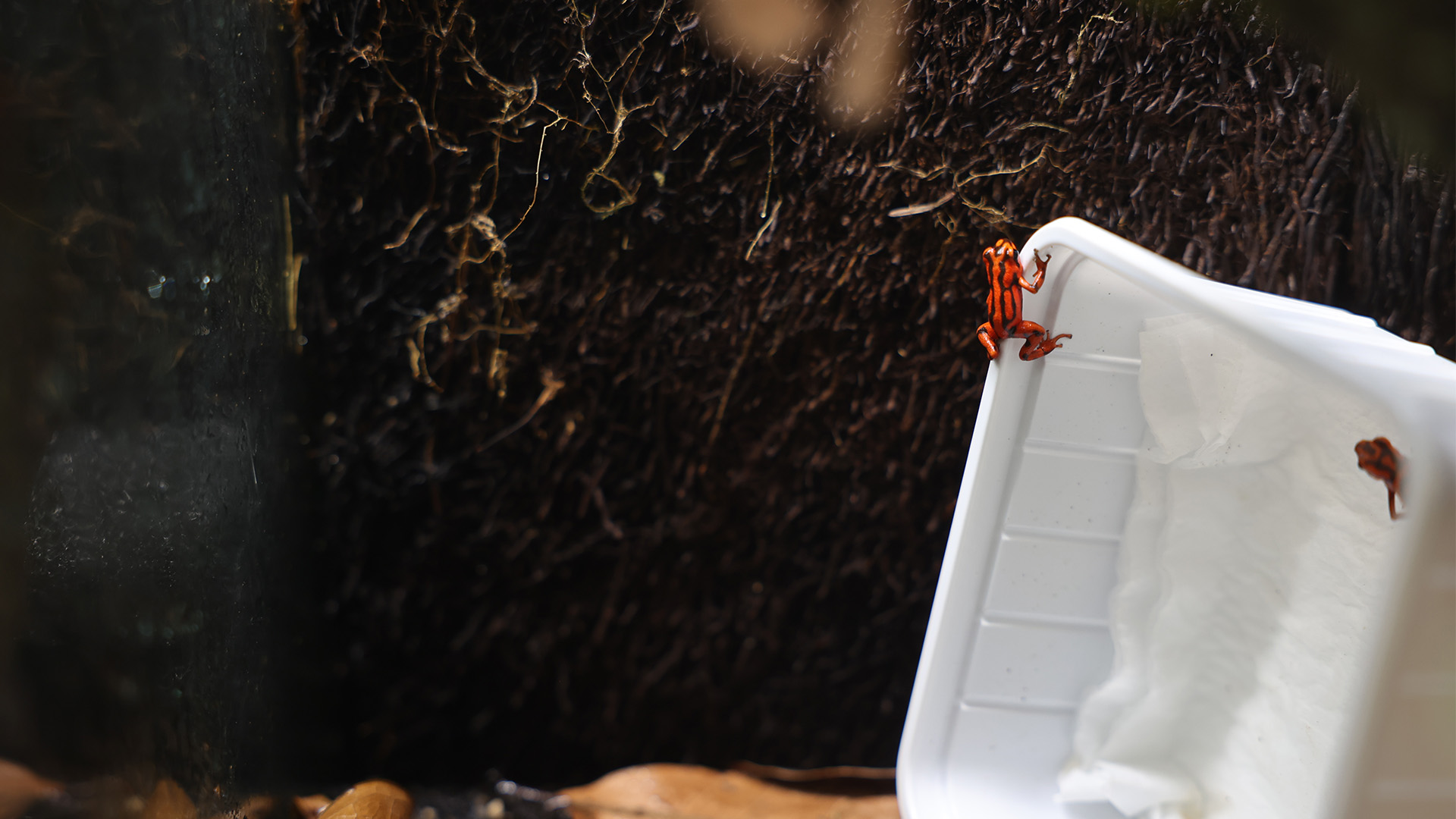
Vicente's Poison Frog (Oophaga vicentei) have also arrived in Germany via the Frog Chain and, at the same time, joined a new CC programme.
From frog discoverer to frog rescuer
In addition, the foundations have been laid for a further species conservation programme. Following official seizures of illegally kept Vicente’s Poison Frog (Oophaga vicentei), these critically endangered frogs were also transferred to the zoos in Zurich, Karlsruhe and Frankfurt. The pretty Poison Dart Frog from Panama was only discovered in 1996 by CC Advisory Board member, biologist and terrarium specialist Karl-Heinz Jungfer. With the approval of the Swiss authorities and the Federal Office for Nature Conservation, the three zoos have now begun, in collaboration with Citizen Conservation, to launch a conservation breeding programme for the small, black-and-red frogs (there are also other colour variants). The first eleven animals arrived in Karlsruhe via the ‘frog chain’ from Zurich, where some of them will remain to bolster the existing population there, whilst other pairs went to Frankfurt Zoo – and, as a particularly good omen for the project’s success, to the species’ discoverer himself. Karl-Heinz Jungfer was on hand in Karlsruhe to receive ‘his’ frogs and, through breeding in the terrarium, to help save them from extinction in the future. Naturally, even with this species, which is not exactly easy to keep, the plan is to broaden the programme’s base by bringing in further private specialists through Citizen Conservation.