


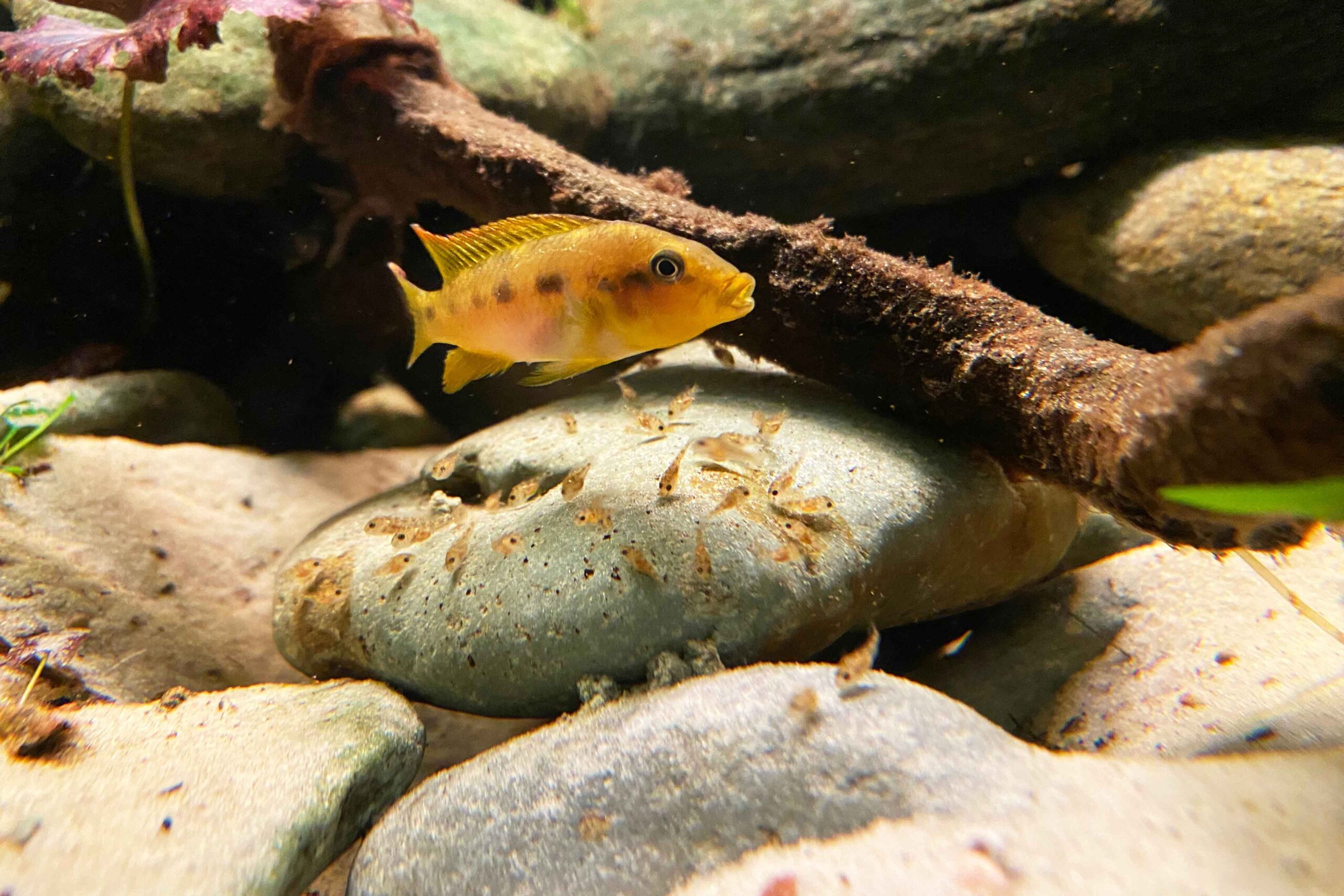
Animal population overview 1/2026 – Encouraging growth, first breakthroughs and new species
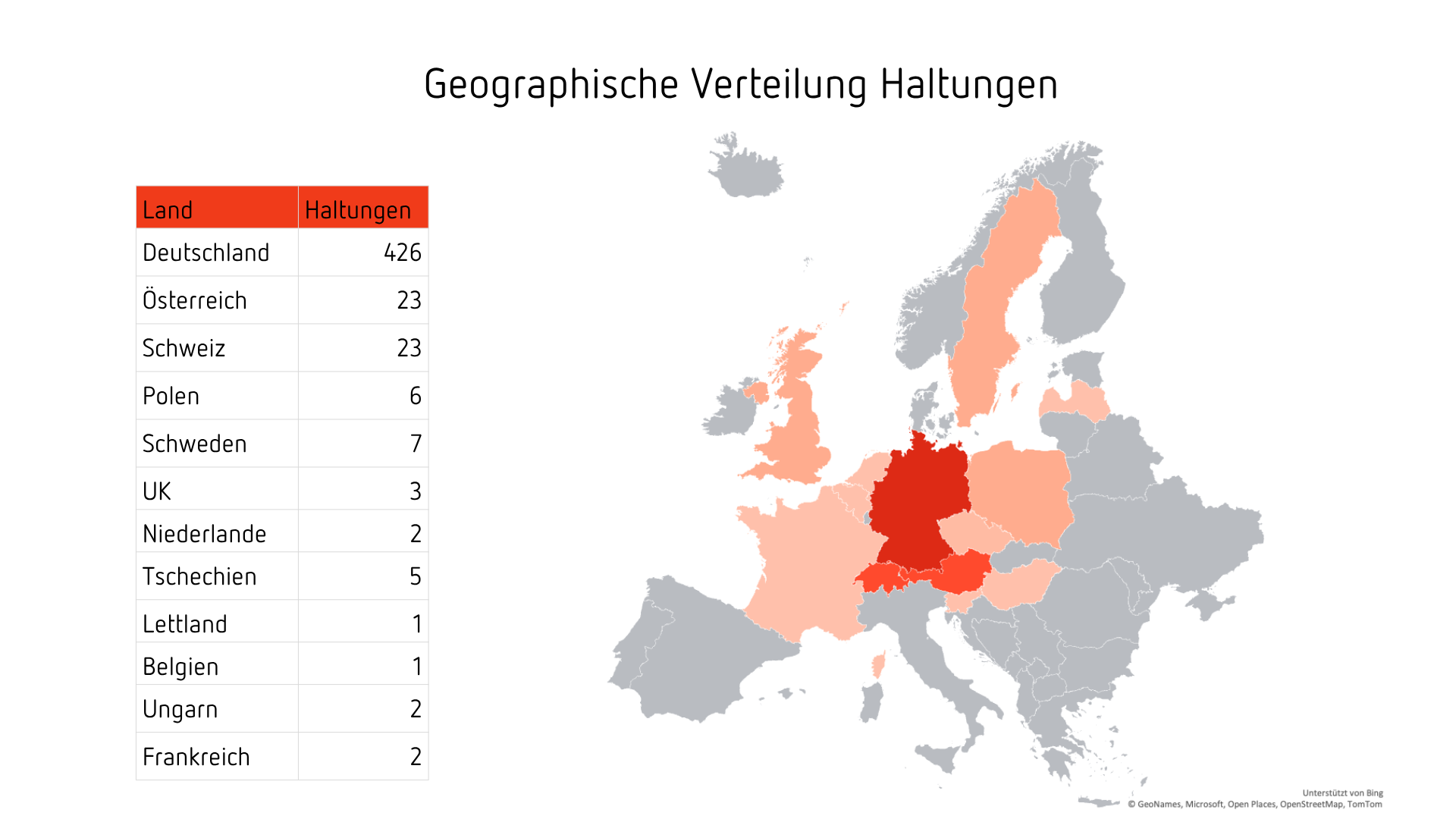
5,736 animals from 37 species or subspecies, cared for by 297 participants across 501 husbandries – that is the animal population of Citizen Conservation (CC) as of 1 May 2026.
Encouraging growth
This represents a welcome increase in the number of CC participants and in the number of husbandries they look after. Compared to the last overview as of 1 November 2025, the number of participants has risen by exactly 40 volunteer species conservationists – an increase of 16% – from 257. They now look after a further 68 animal husbandries – an increase of 15%. The number of animals under their care has also risen by 360, or 7%.
There were no significant changes in the distribution of keeper types: as before, two-thirds of participants are private keepers. Almost exactly half of the institutional keepers are zoos (15%), schools account for 11%, and the remaining 7% are spread across facilities such as public aquariums, associations, natural history museums, shops – and a public library. A fine cross-section of civil society, entirely in line with the Citizen Conservation approach.
As institutions often keep several species, the distribution of keepers shifts. They are 53% private individuals, 25% zoos, 12% schools and 10% other institutions. On average, each participant therefore looks after 1.7 CC animal species, and almost 200 private individuals volunteer by providing accommodation, care and breeding for an average of 1.3 endangered animal species each. This equates to 266 husbandries. A zoo with an aquarium and terrarium house keeping 50 species is already one of the largest facilities of its kind. This means that private terrarium and aquarium keepers are, so to speak, contributing the care capacity of five large aquarium houses to the ex-situ species conservation community on a voluntary and self-funded basis!
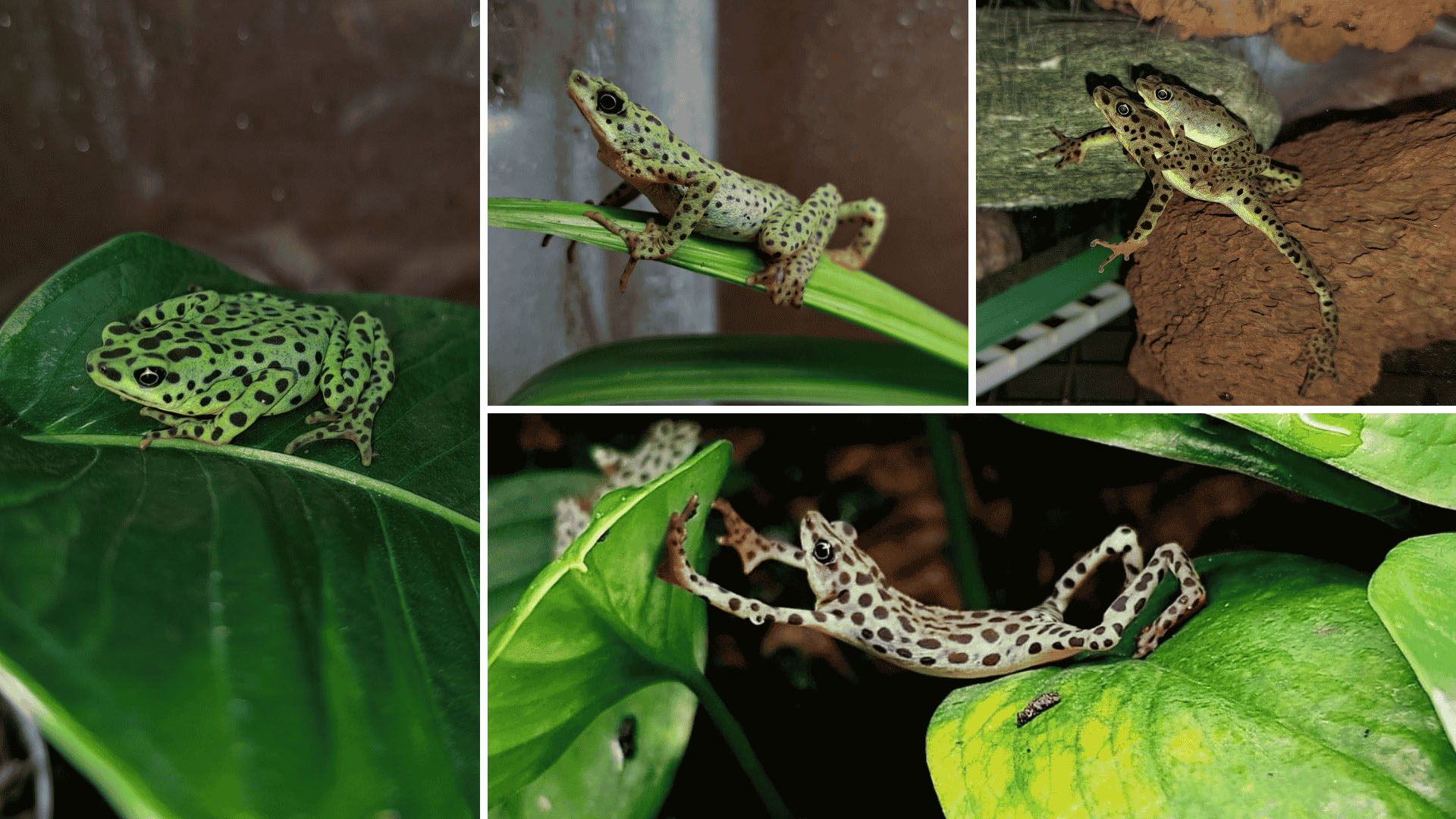
Yoga Toads aka Rio Pescado Stubfoot Toads – will our participants be tempted to mimic one or two poses?
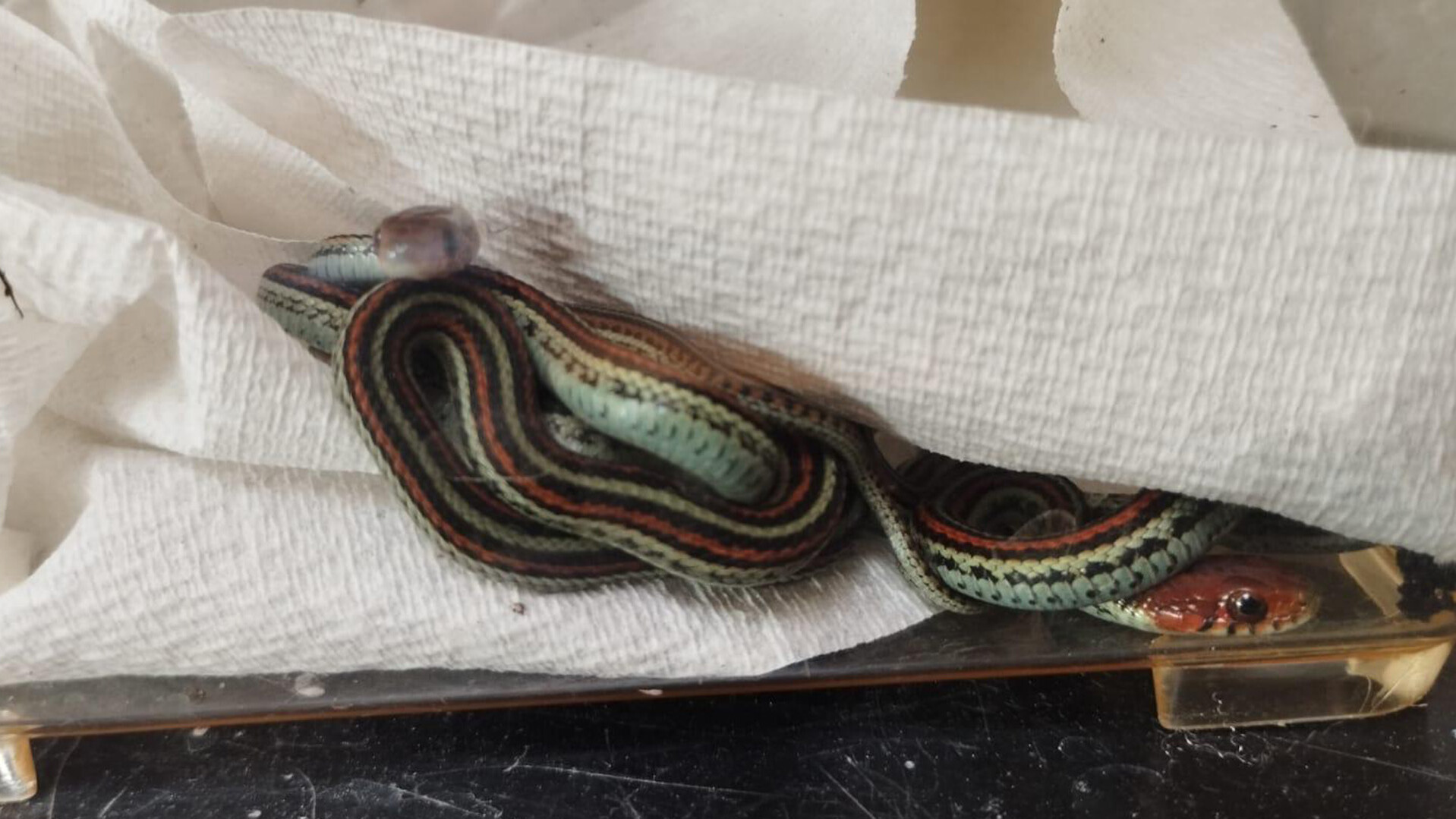
Now that’s some fantastic news! The first offspring of our San Francisco Garter Snake at Frankfurt Zoo.
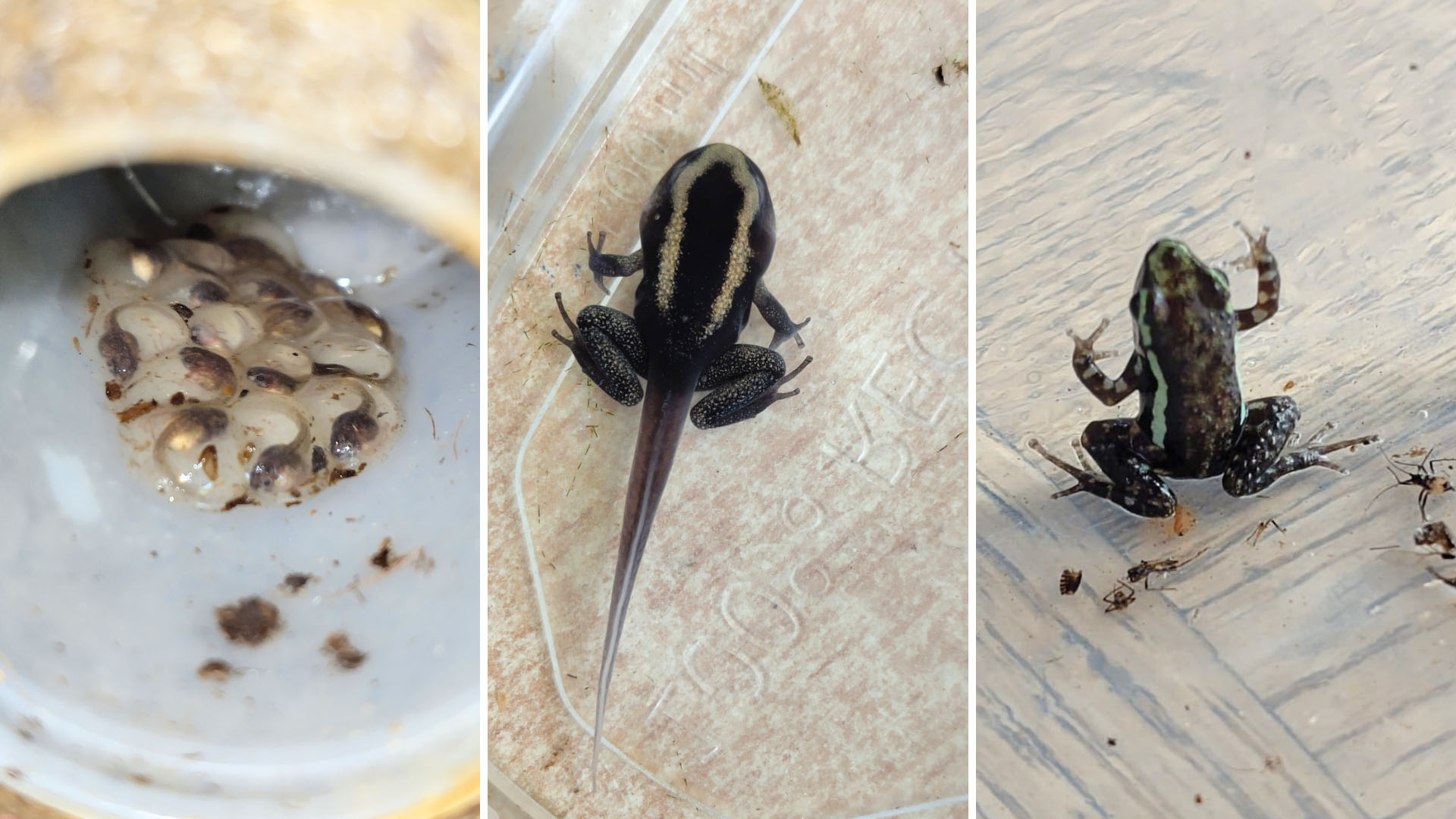
How quickly they grow up – the growth stages of the young Phantasmal Poison Frogs raised by our keeper, Nicolas Chalwatzis.
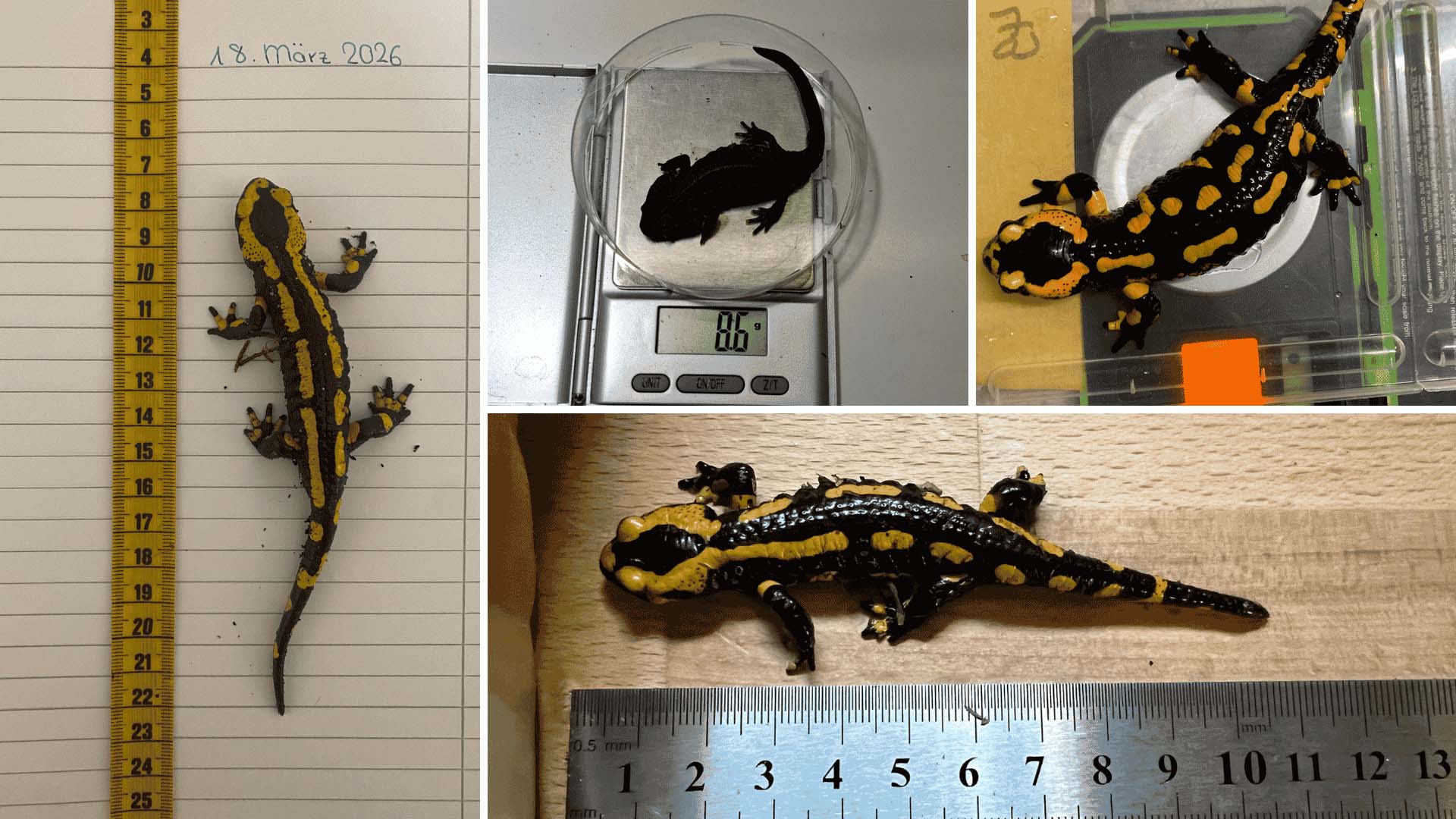
It’s all about measuring and weighing, weighing and measuring. After all, nothing should stand in the way of that perfect swimsuit figure!
Programmes running at full capacity
The Mallorca midwife toad has proved to be the star among the CC’s main protagonists. For this species, which is critically endangered on its home island, we have not only achieved our target numbers but have also entered the phase of long-term management. This is because the real challenge of conservation breeding lies in maintaining the ex-situ population in a demographically stable and viable state over decades. That is why we have drawn up a studbook and are managing the CC population in a targeted manner through sales, temporary breeding pauses and the culling of clutches. At the same time, we must ensure that breeding takes place regularly in as many facilities as possible – a thoroughly demanding coordination effort with a welcome message: it works!
The programmes for the Vietnamese crocodile newt, the Madagascar spiny-tailed fish, the tiger barb and the Mangarahara cichlid have also moved from the establishment phase into the long-term management phase. In the case of the Pátzcuaro spiny-toothed newt, only a few facilities remain before the target numbers are reached; breeding itself is now systematic and must also be controlled due to the high number of offspring.
The most spectacular case, however, is the Rio Pescado stump-footed toad. This species, which is threatened with extinction and was even believed to be extinct at one point, was only added to the CC three years ago following the import of the foundation animals from Ecuador. Thanks to the great breeding successes of private keeper Thomas Ackermann and the zoos in Basel and Karlsruhe, it has reproduced so well that we have almost reached our target numbers. It is now being cared for in 26 facilities, including 12 zoos. However, the numerous new keepers now face the by no means trivial task of successfully breeding the animals – and rearing them, which is a real challenge given the extremely tiny offspring.
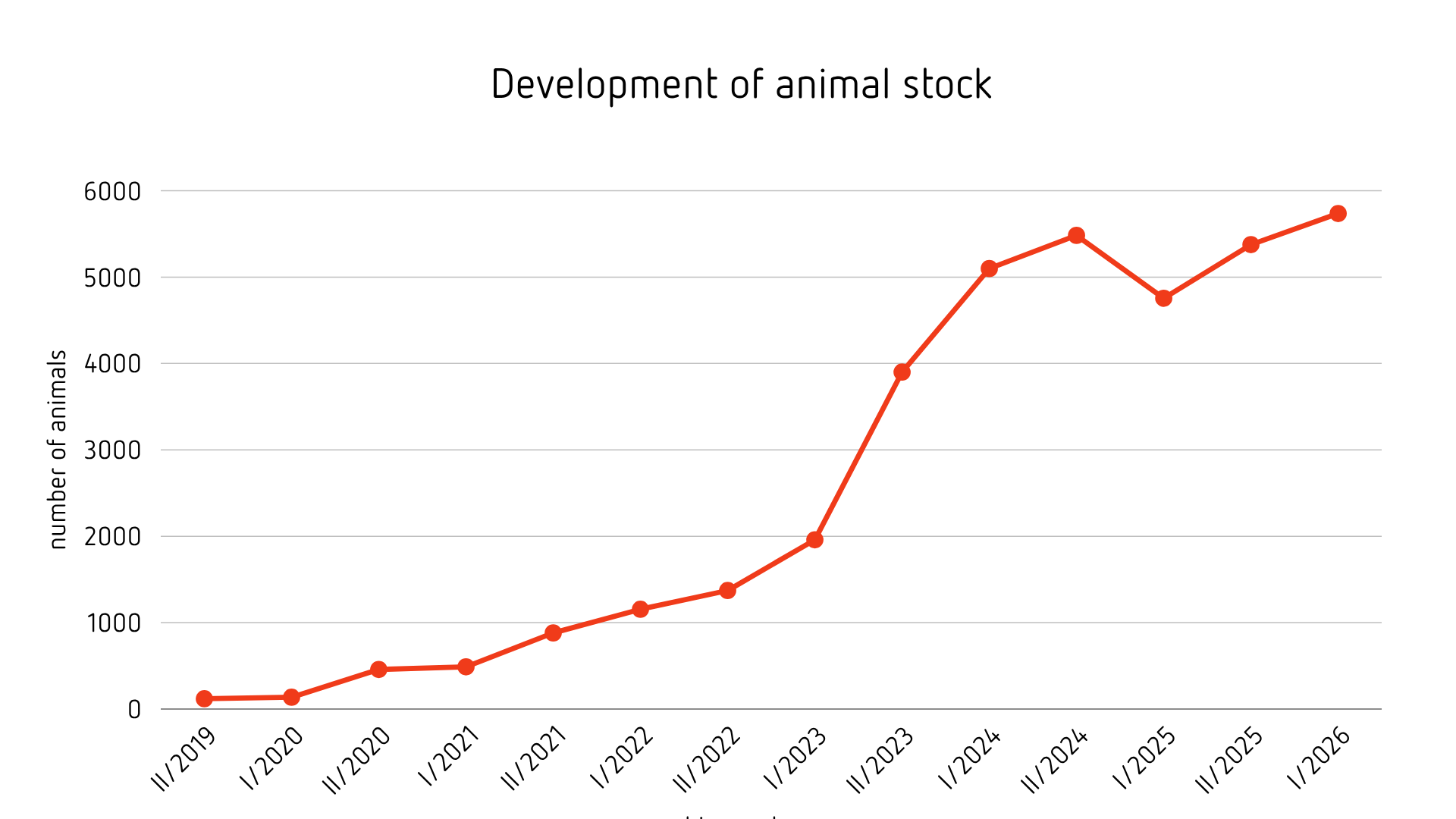
Number of animals cared for in CC
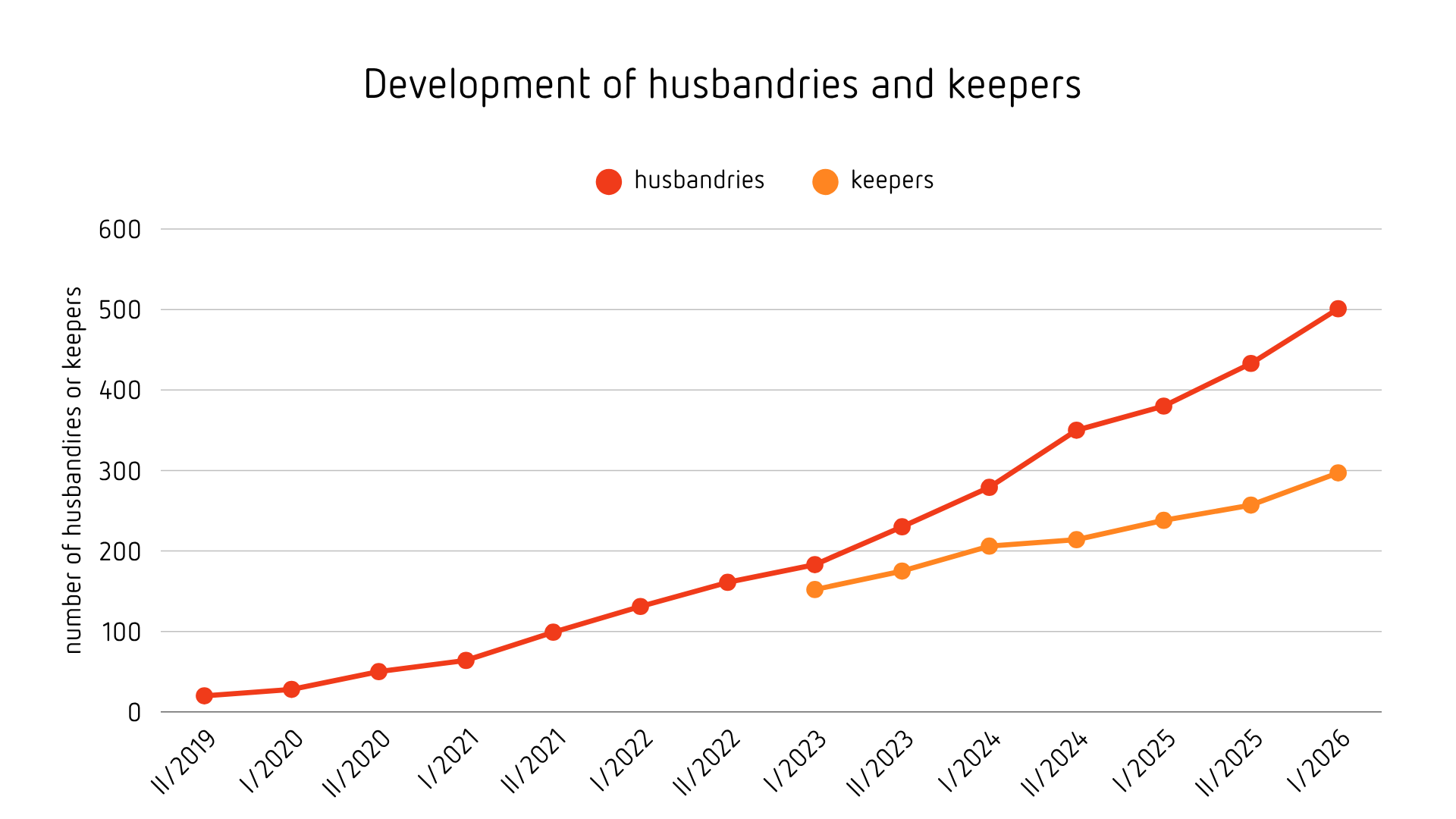
Number of CC husbandries and keepers since the start of the project
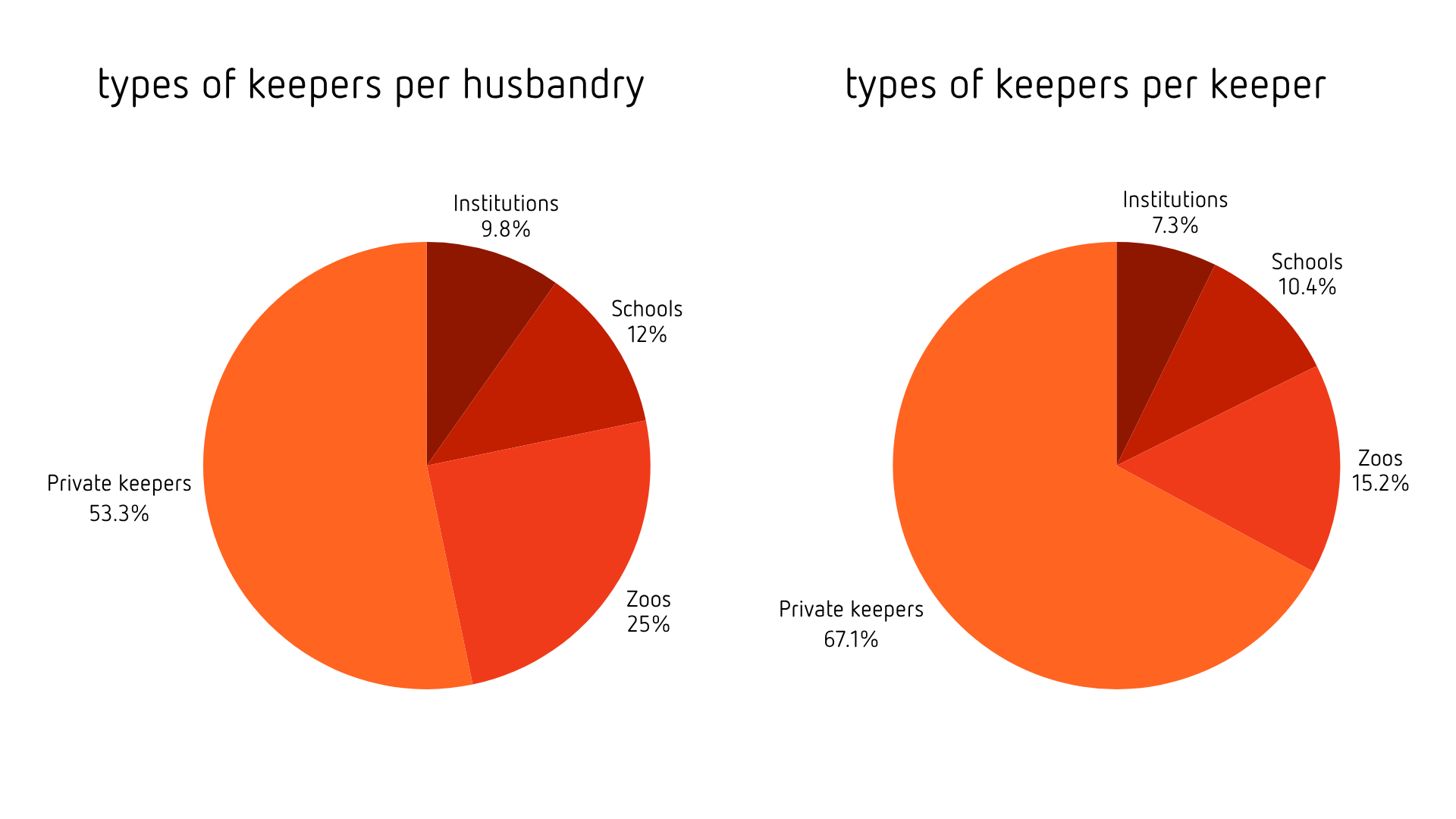
Percentage distribution of owner types for husbandries and keepers as of 1 May 2026
First breakthroughs
In some programmes, breeding successes have now been achieved following what were in some cases difficult initial phases. Things are now looking very encouraging for the poison dart frogs. The Golden Poison Frogs, which are actually considered quite easy to breed, proved somewhat difficult at the start, but the number of offspring is now rising noticeably. There have also been considerable successes with the Phantasmal Poison Frog and the Demonic Poison Frog, which are considered very demanding. The first CC breeding successes have also been achieved in the last six months with Ziegler’s Crocodile Newt and the San Francisco Garter Snake. We now hope that the last holdouts – namely the Loja Marsupial Frog, Smith’s Torrent Frog and the Nguru Pygmy Chameleon – can soon be successfully bred.
New challenges
Following a prolonged period of consolidation, the number of managed species has also risen noticeably over the last six months. It is particularly pleasing that the newly introduced Roberts’ Cichlid from West Africa has immediately made its mark with the first genuine CC offspring – that’s how it should be! The Orange-eyed Tree Frog, which only arrived in March and of which we now looking after for 166 individuals across 14 husbandries, has made a spectacular debut in terms of both numbers and keepers. That’s quite a statement! We are also delighted to have added another extremely rare poison dart frog species to our collection with Vicente’s Poison Frog, as well as the first specimens of the Psychedelic Rock Gecko, the Sakishima Grass Lizard and the Giant Wall Gecko. Welcome to the club!
Animal population overview 1 May 2026
(You can scroll horizontally in the table.)
| Scientific name | Common name | Animals total (m/f/u) | Keepers total | Deaths 11/2025 – 04/2026 (m/f/u) | External delivery 11/2025 – 04/2026 | New offspring 11/2025 – 04/2026 | External arrivals 11/2025 – 04/2026 | Corrections (Counting errors, etc.)* | Aim (animals, keepers) | Status** |
|---|---|---|---|---|---|---|---|---|---|---|
| Amphibians | ||||||||||
| Agalychnis annae | Blue-sided Leaf Frog | 166 (0,0,166) | 14 | 1 (0,0,1) | 0 | 0 | 167 | 225, 32 | 59 % | |
| Agalychnis lemur | Lemur Leaf Frog | 67 (19,14,34) | 11 | 5 (1,0,4) | 0 | 8 | 0 | 225, 40 | 29 % | |
| Alytes muletensis | Mallorca Midwife Toad | 826 (78,91,657) | 58 | 111 (7,12,92) | 55 | 186 | 0 | 425, 53 | 100 % | |
| Ambystoma andersoni | Anderson’s Salamander | 91 (17,19,55) | 19 | 9 (2,1,6) | 0 | 0 | 0 | 225, 40 | 44 % | |
| Ambystoma dumerilii | Lake Patzcuaro Salamander | 177 (66,62,49) | 33 | 43 (5,3,35) | 0 | 0 | 0 | +1 | 225, 40 | 81 % |
| Atelopus balios | Rio Pescado Stubfoot Toad | 393 (42,49,302) | 26 | 70 (3,3,64) | 137 | 84 | 0 | 225, 32 | 91 % | |
| Bombina orientalis | Oriental Fire-bellied Toad | 389 (48,38,303) | 28 | 34 (7,6,21) | 0 | 72 | 0 | -38 | 225, 60 | 73 % |
| Ecnomiohyla valancifer | San Martín Fringe-limbed Tree Frog | 46 (7,14,25) | 3 | 0 | 0 | 0 | 2 | 225, 56 | 13 % | |
| Epipedobates tricolor | Phantasmal Poison Frog | 55 (7,4,44) | 5 | 10 (0,0,10) | 0 | 6 | 27 | 320, 45 | 14 % | |
| Gastrotheca lojana | Loja Marsupial Frog | 11 (5,6,0) | 3 | 0 | 0 | 0 | 225, 38 | 6 % | ||
| Ingerophrynus galeatus | Bony-headed Toad | 100 (25,9,66) | 7 | 5 (0,1,4) | 0 | 27 | 0 | +1 | 225, 40 | 31 % |
| Minyobates steyermarki | Demonic Poison Frog | 83 (11,8,64) | 12 | 6 (1,1,4) | 0 | 26 | 12 | 110, 20 | 68 % | |
| Odontobatrachus smithi | Smith's Torrent-frog | 22 (1,2,19) | 2 | 0 | 0 | 0 | 0 | 225, 38 | 8 % | |
| Oophaga vicentei | Vicente's Poison Frog | 15 (6,6,3) | 4 | 0 | 0 | 0 | 15 | 225, 113 | 5 % | |
| Phyllobates terribilis | Golden Poison Frog | 212 (18,21,173) | 20 | 5 (0,2,3) | 0 | 48 | 39 | 225, 70 | 61 % | |
| Salamandra sal. almanzoris | Almanzor Fire Salamander | 24 (7,12,5) | 8 | 7 (1,0,4) | 0 | 0 | 0 | +1 | 185, 30 | 20 % |
| Salamandra salamandra (D) | Central European Fire Salamander | 347 (75,66,206) | 58 | 20 (3,0,17) | 0 | 6 | 22 | 330, 90 | 82 % | |
| Staurois parvus | Lesser Rock Skipper | 196 (23,23,150) | 5 | 14 (8,2,4) | 0 | 0 | 0 | -24 | 500, 10 | 45 % |
| Telmatobius culeus | Titicaca Water Frog | 137 (16,19,102) | 11 | 1 (1,0,0) | 0 | 40 | 0 | 225, 45 | 43 % | |
| Tylototriton vietnamensis | Vietnamese Crocodile Newt | 156 (27,46,83) | 30 | 18 (6,8,4) | 10 | 43 | 0 | 185, 30 | 92 % | |
| Tylototriton ziegleri | Ziegler’s Crocodile Newt | 63 (16,14,33) | 13 | 1 (0,1,0) | 0 | 10 | 0 | 185, 30 | 39 % | |
| Fish | ||||||||||
| Bedotia madagascariensis | Madagascar Rainbowfish | 215 (87,82,46) | 18 | 27 (11,2,14) | 21 | 23 | 10 | 192, 16 | 100 % | |
| Cyprinodon veronicae | Charco Palma Pupfish | 126 (14,26,86) | 6 | 59 (4,16,39) | 0 | 65 | 0 | 225, 15 | 48 % | |
| Limbochromis robertsi | Robert’s Cichlid | 62 (7,7,48) | 5 | 10 (4,3,3) | 0 | 48 | 2 | 215, 16 | 30 % | |
| Limia islai | Tiger Limia | 823 (158,233,432) | 26 | 71 (4,6,61) | 0 | 286 | 0 | 2000, 20 | 71 % | |
| Parosphromenus bintan | Bintan Gourami | 44 (8,7,29) | 3 | 21 (9,8,4) | 0 | 17 | 0 | 100, 15 | 32 % | |
| Ptychochromis insolitus | Mangarahara Cichlid | 347 (48,64,235) | 15 | 60 (0,1,59) | 93 | 0 | 0 | 192, 16 | 97 % | |
| Ptychochromis loisellei | Loiselle’s Ptycho | 218 (6,3,209) | 8 | 10 (0,0,10) | 0 | 0 | 0 | 160, 16 | 75 % | |
| Ptychochromis oligacanthus | Nosy Be Cichlid | 153 (10,10,133) | 5 | 40 (0,0,40) | 0 | 22 | 0 | +1 | 192, 16 | 55 % |
| Reptiles | ||||||||||
| Cnemaspis psychedelica | Psychedelic Rock Gecko | 6 (2,2,2) | 1 | 0 | 0 | 0 | 6 | tbd | tbd | |
| Cuora cyclornata | Vietnamese Three-striped Box Turtle | 10 (1,2,7) | 6 | 0 | 0 | 0 | 2 | 100, 50 | 11 % | |
| Goniurosaurus huuliensis | Huu Lien Tiger Gecko | 20 (8,8,4) | 9 | 1 (0,1,0) | 0 | 0 | 5 | 110, 55 | 17 % | |
| Phelsuma guimbeaui | Guimbeau's Day Gecko | 31 (8,21,2) | 14 | 4 (1,1,2) | 0 | 0 | 2 | 110, 55 | 27 % | |
| Rhampholeon acuminatus | Nguru Pygmy Chameleon | 9 (5,4,0) | 2 | 1 (0,1,0) | 0 | 0 | 0 | 215, 36 | 5 % | |
| Takydromus dorsalis | Sakishima Grass Lizard | 50 (0,0,50) | 3 | 0 | 0 | 0 | 50 | tbd | tbd | |
| Tarentola gigas | Giant Wall Gecko | 8 (1,2,5) | 2 | 0 | 0 | 0 | 8 | tbd | tbd | |
| Thamnophis sirtalis tetrataenia | San Francisco Garter Snake | 38 (13,9,16) | 8 | 3 (2,1,0) | 0 | 14 | 2 | 110, 28 | 32 % | |
m: male, w: female, u: undetermined sex* Corrections = Animals that were previously recorded in our tables as dead or offspring, but which reappeared or were missing in this year’s stock report. This happens, for example, in very large enclosures with many animals, where the number is often estimated. **Status = mean value of the percentage of the target number of keepers already achieved and the target number of animals