



It is an annual ritual. One Tuesday in autumn, more than 1,000 members of the Zoo community set off to gather at a single location in Europe. This year, the destination was Paris. 122 sessions over four days – the range of topics spans from the details of targeted breeding programmes for endangered Scottish freshwater snails or Indonesian pigs, through the potential threat of avian flu to humans and animals, to issues concerning the European Union’s current budgetary arrangements and legislative initiatives. Co-ordinated conservation breeding programmes have always been the core instrument of the European Association of Zoos and Aquaria (EAZA). Developed in the 1980s and steadily expanded ever since, the zoological community now runs around 500 such programmes.
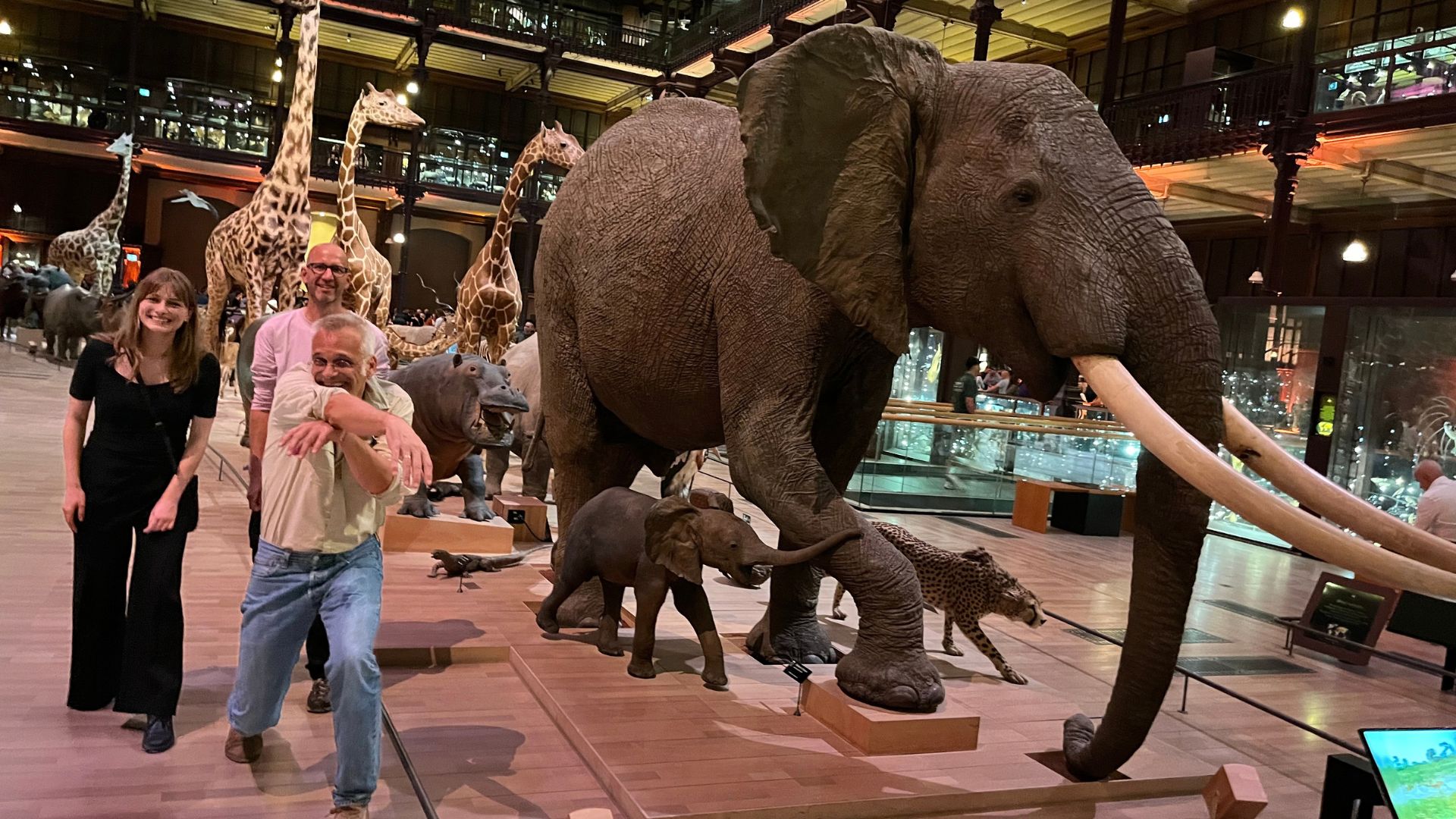
The mini CC herd at the Icebreaker exhibition at the Natural History Museum in Paris
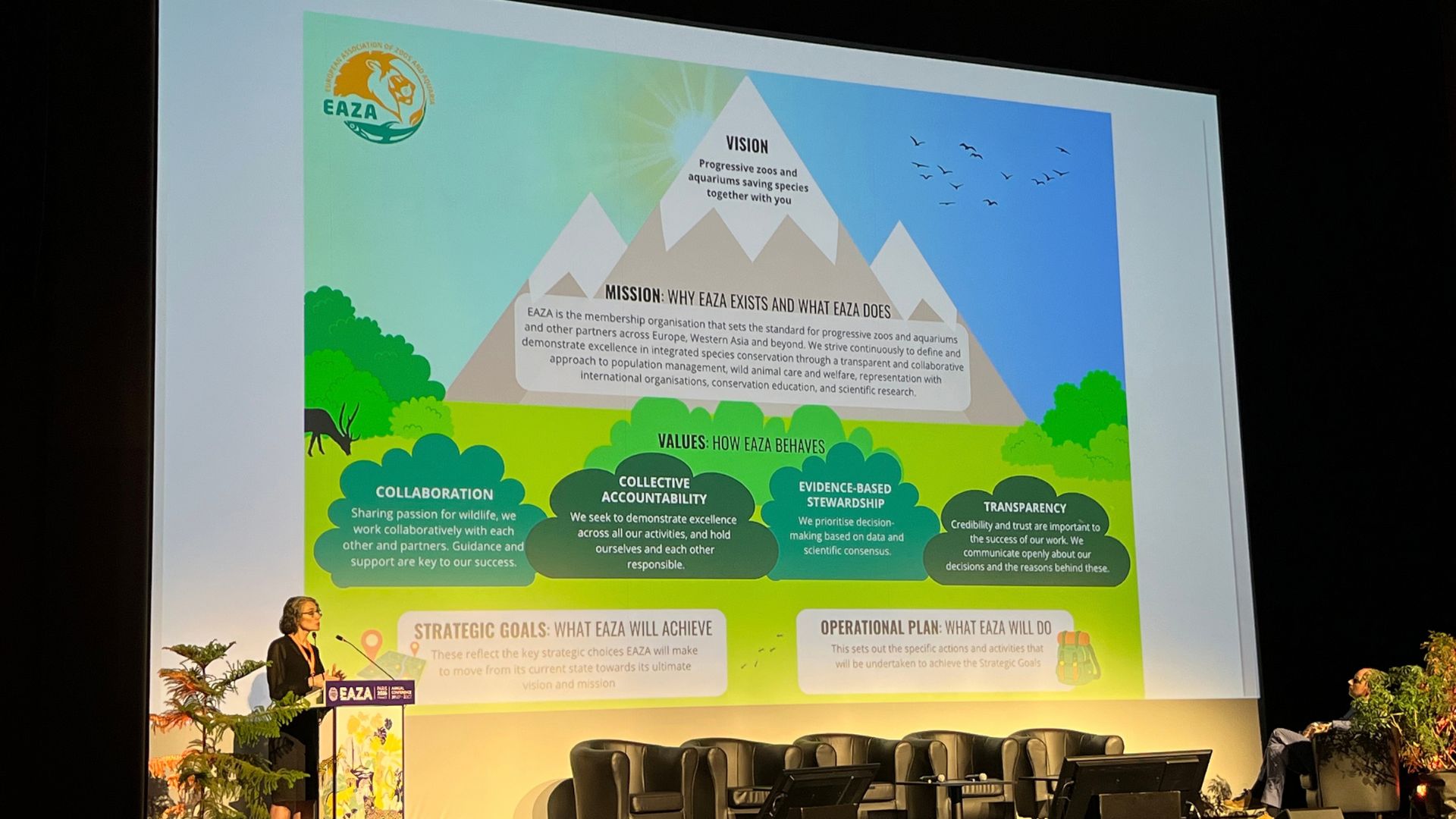
The Oath of the Thousand: EAZA Director General Myfanwy Griffith delivering her opening address to the delegates
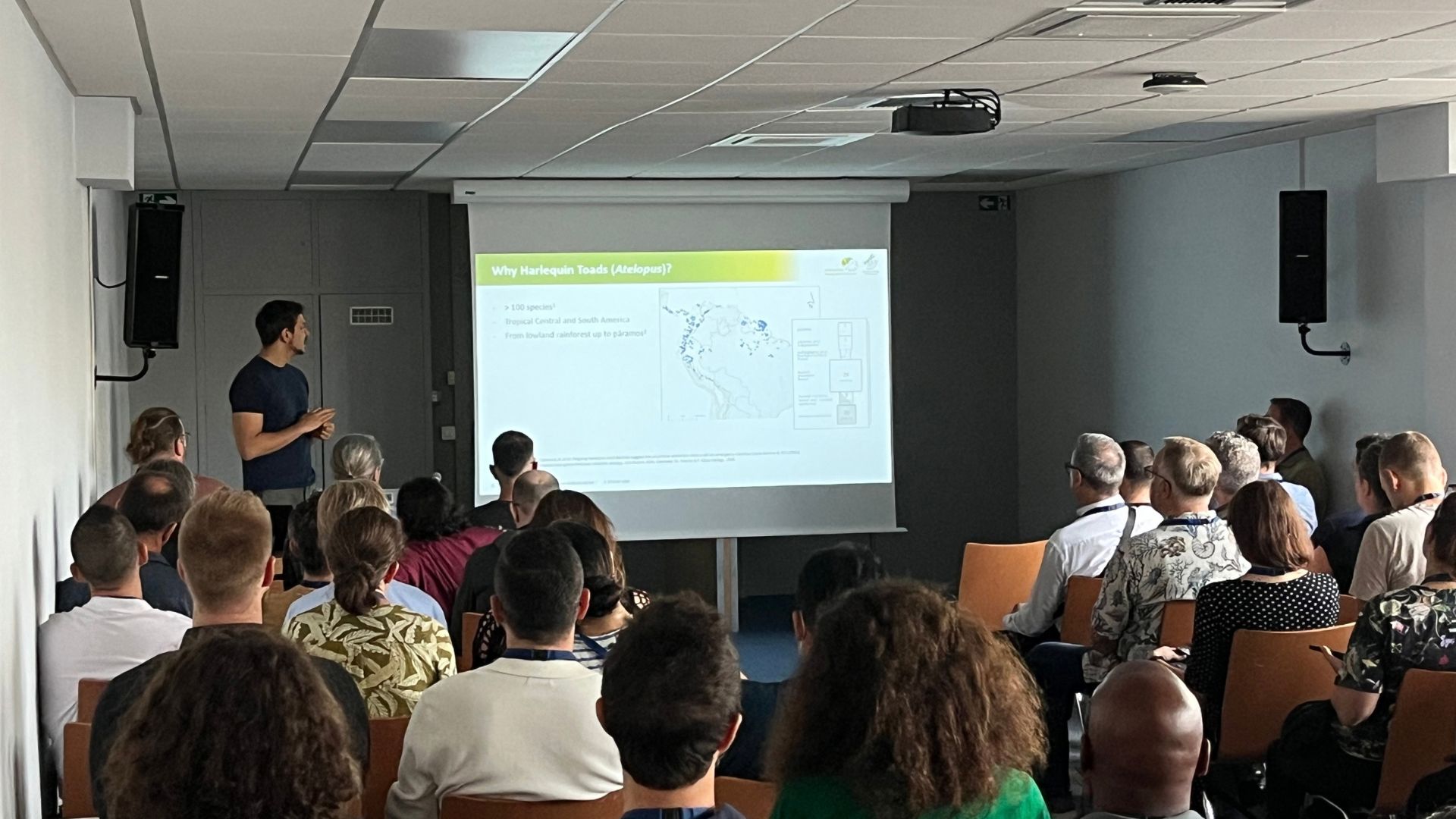
Lukas Reese, curator at Karlsruhe Zoo, outlines the efforts being made to conserve the harlequin toad genus (Atelopus).
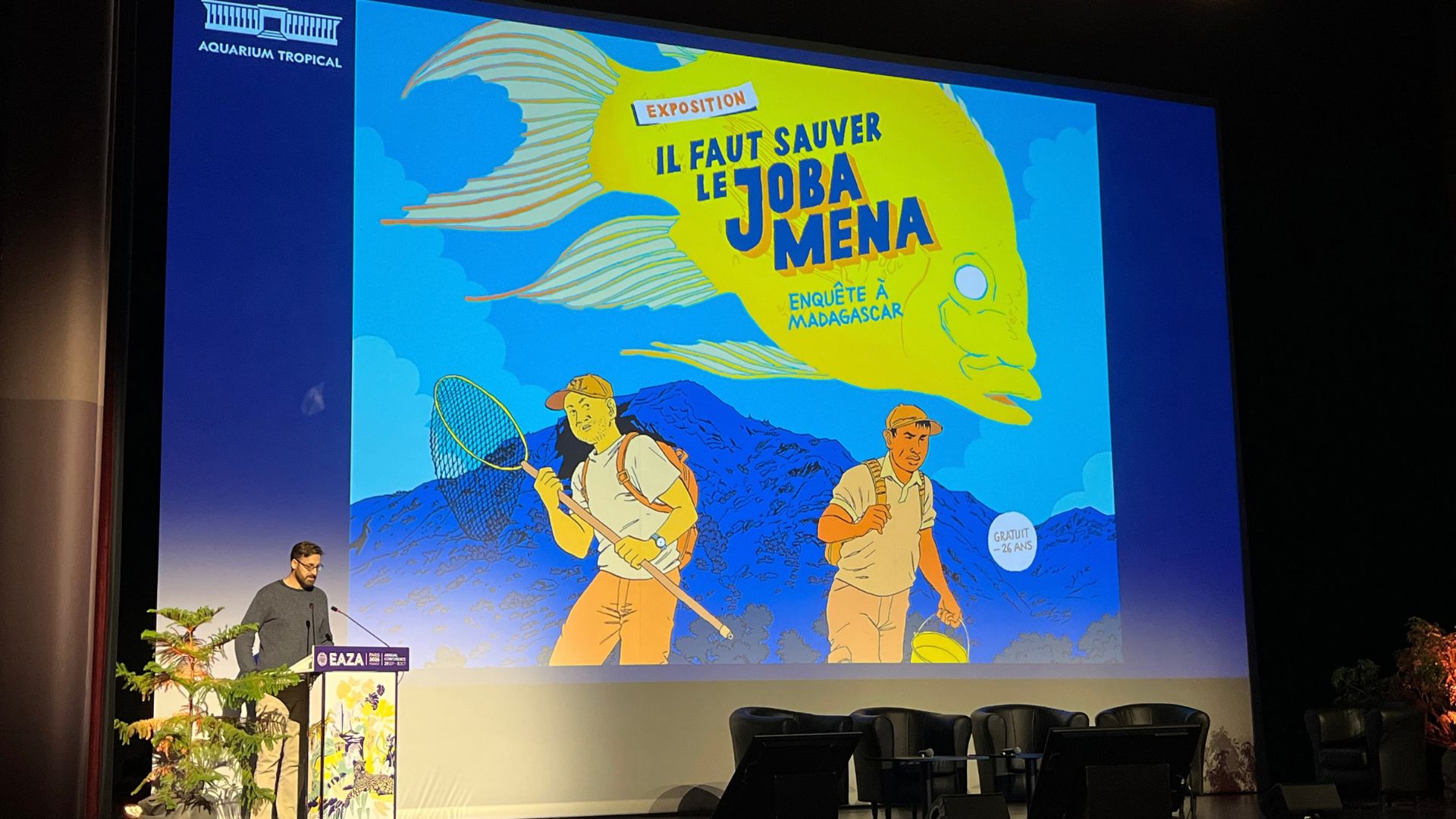
Charles-Edouard Fusari, director of the Paris Aquarium, explains how effective storytelling led to the rescue of the Mangarahara cichlid in Madagascar, which had been thought to be extinct.
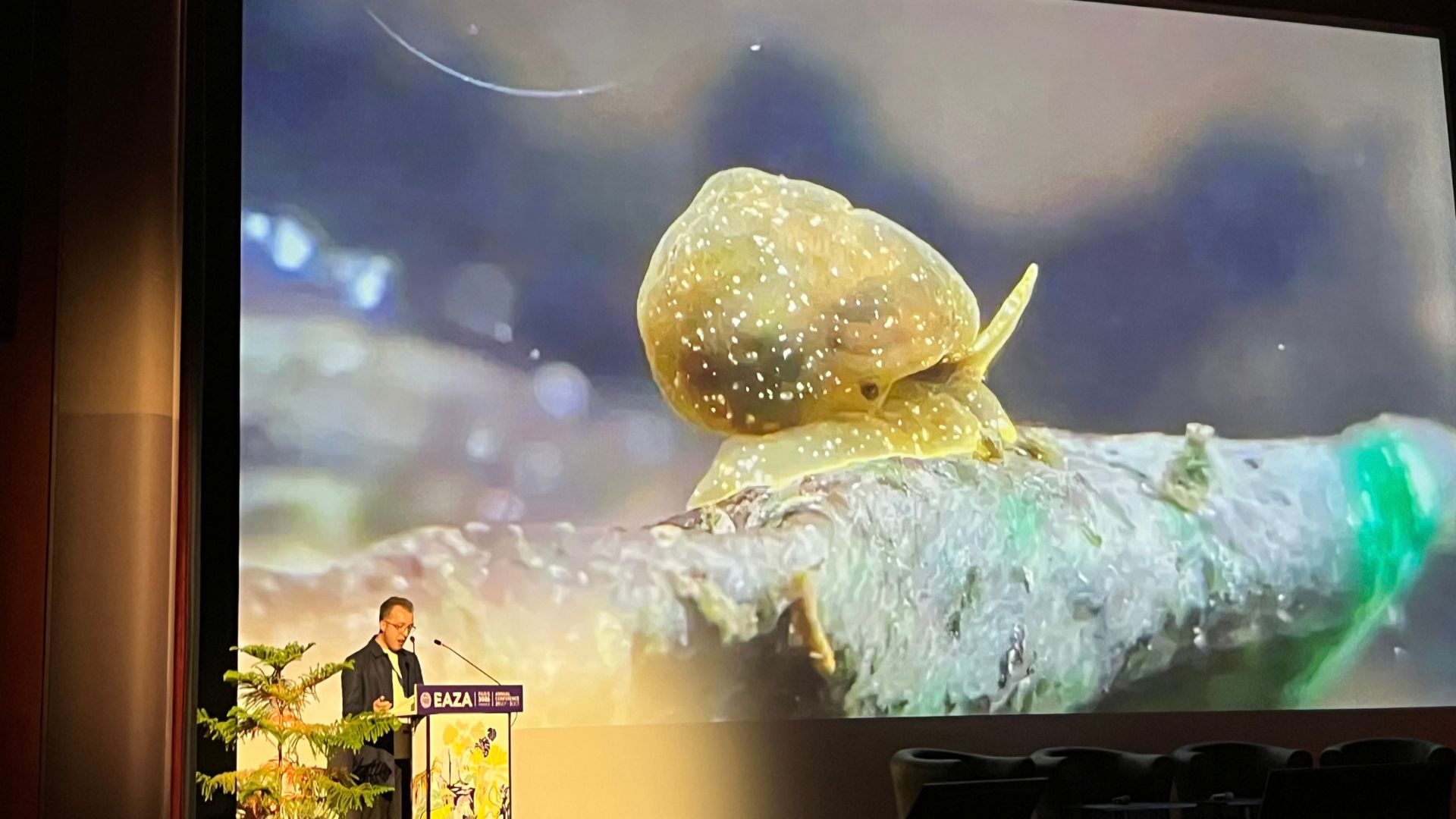
A man rescues a snail that looks like a starry sky. An inspiring story from Scotland.
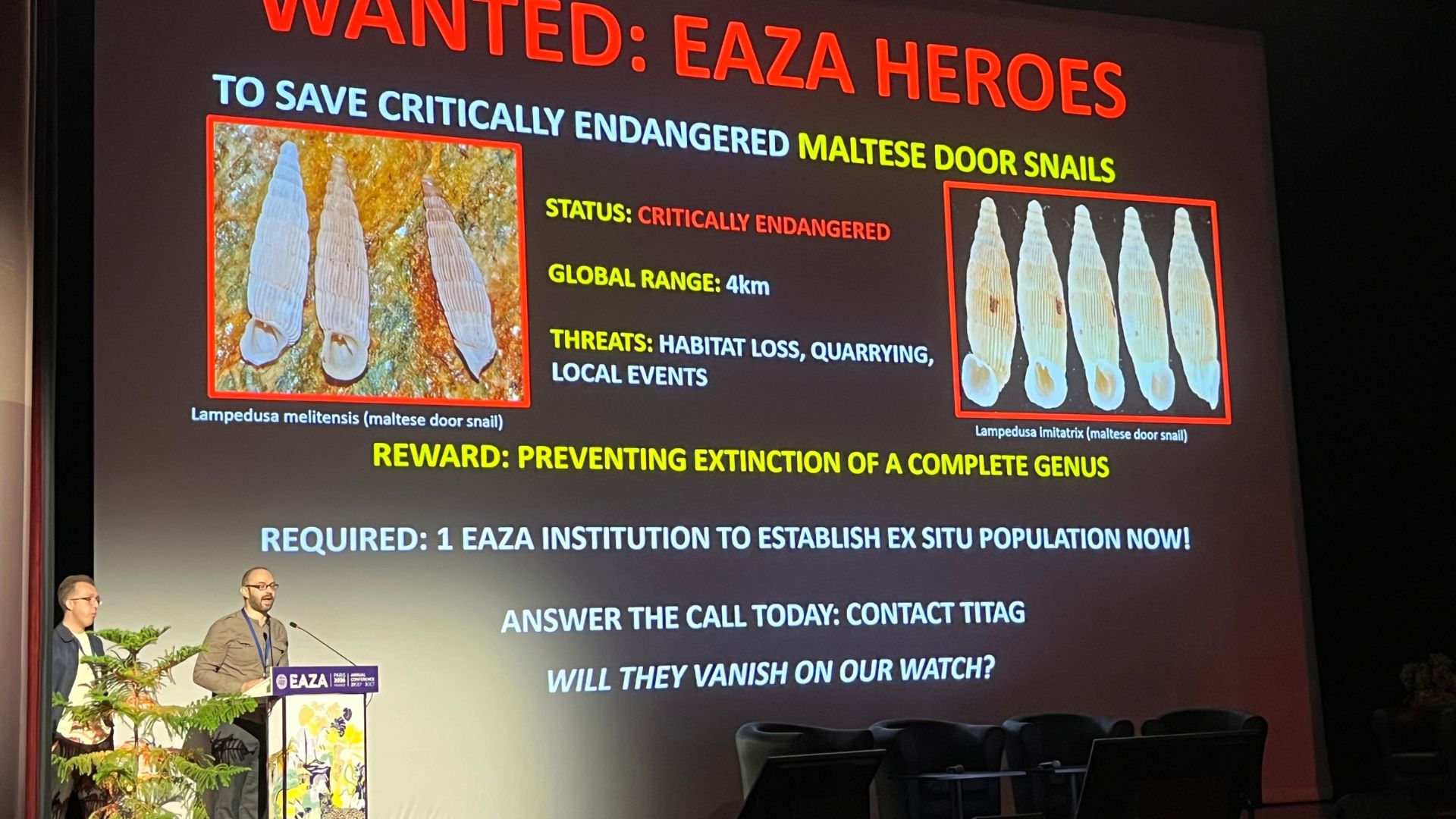
Snail alert: A species is under threat of extinction in Malta. Volunteers wanted …
Working together to shape the future of conservation breeding
In 2018, Citizen Conservation began to establish its own complementary conservation breeding programmes, modelled on the EEPs, involving private keepers. CC now contributes a further 38 coordinated programmes, in which many EAZA zoos also participate. This makes dialogue with the coordinators at European level all the more important. The zoos’ strengths lie in their specialist expertise and their targeted links with relevant species conservation efforts in the countries of origin (in situ); at the same time, many EEPs rely on cooperation between very few institutions, which naturally always entails certain risks for the populations. Here, CC can contribute its strength through the vastly greater capacities available in the private sector, thereby helping to maintain viable populations in captivity for significantly more species in the long term.
Fortunately, an increasingly close collaboration with those responsible within the zoo community is developing over time, not least through the zoo representatives who are active on CC’s expert advisory boards.
From poison-dart frogs to fish
Curator Holger Kraus (Zurich Zoo) reported on the progress made with the poison-arrow frogs of the genus Oophaga, for which there are both EEPs and CC programmes, whilst Lukas Reese (Karlsruhe Zoo) spoke about harlequin toads (Atelopus), where CC has achieved considerable success with the implementation of the Atelopus balios programme several years ago. Cooperation is now also gaining momentum in the field of fish, which holds enormous potential given the high number of threatened species and the relatively limited capacity of zoos compared to that of hobby aquarists.
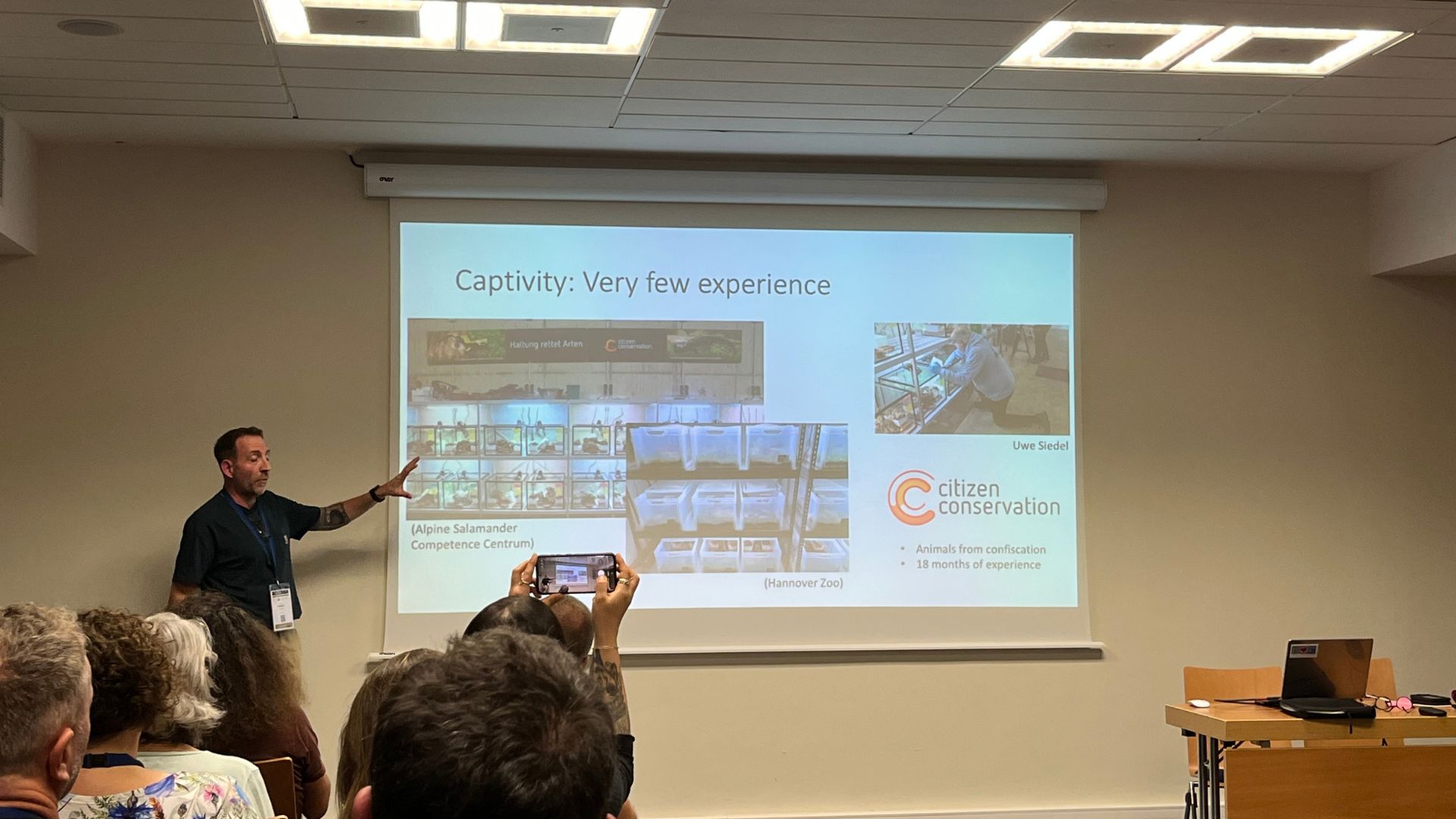
Olivier Marquis, curator at Paris Zoo, talks about the collaboration with CC during the preparation of the ex situ breeding centre for Lanza’s alpine newt.
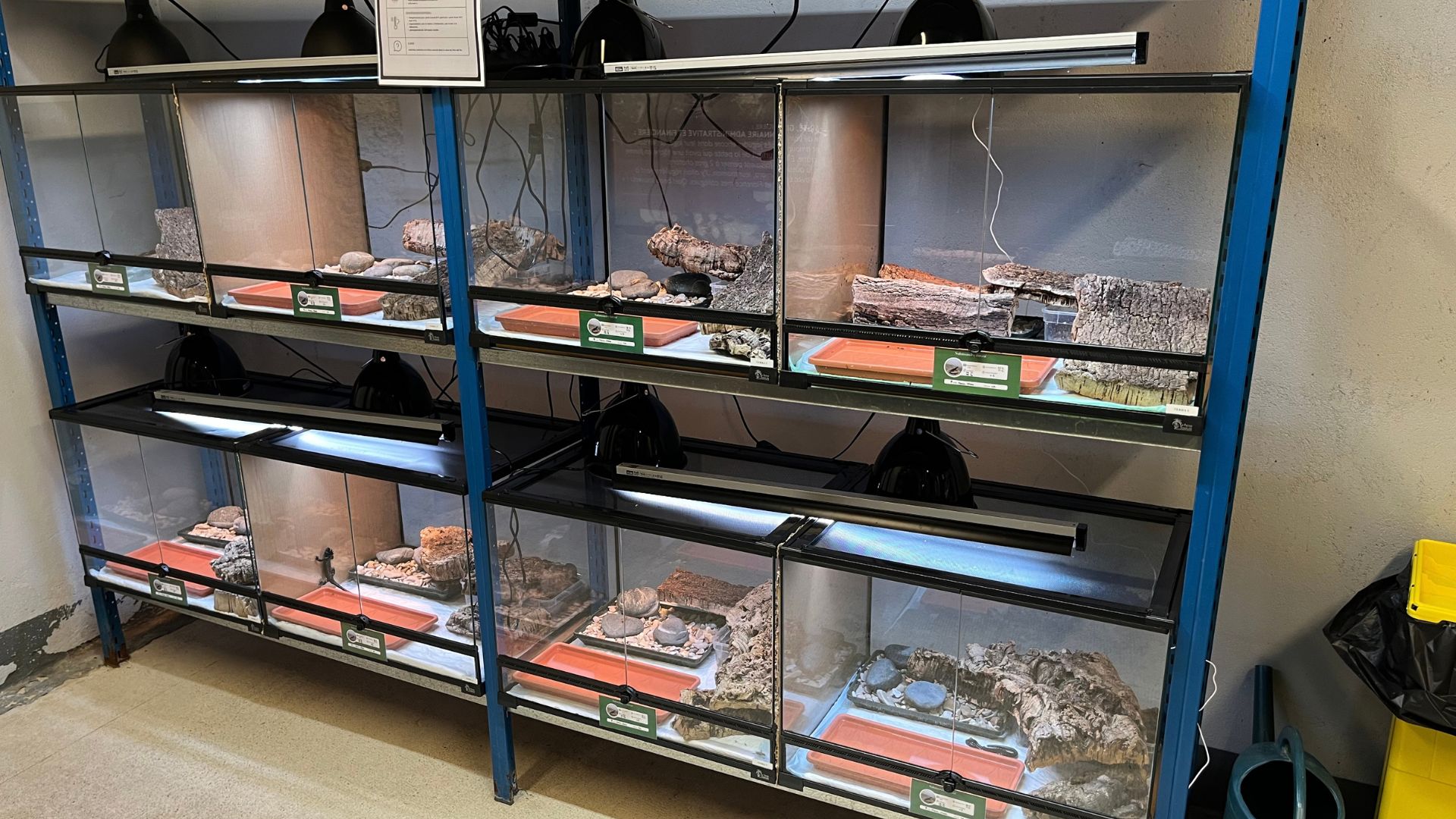
The Lanzas Alpine newt breeding centre at Paris Zoo has been home to 15 animals since July 2026.
New prospects for Lanzas’s Alpine salamander
The Alpine Salamander Centre of Excellence, initiated and co-funded by CC, was also a key topic at this year’s EAZA conference. This spring, Paris Zoo established its first ex-situ conservation breeding centre for Lanza’s Alpine salamanders, modelled on the facilities at the Sachsenhagen Wildlife and Species Conservation Centre and Hannover Adventure Zoo, and took the first 15 animals into its care. This means the number of animals available for conservation breeding has doubled. Until 2024, there was only one individual of this critically endangered species at Chemnitz Zoo: a 35-year-old female. At the end of 2024, following a seizure, a further 11 animals were added, forming the foundation of this species’ population at the Alpine Salamander Centre of Excellence. These extremely low numbers are no exception, but rather a reflection of the situation in which many species now find themselves, and also a barometer of our responsibility to conserve these populations as best we can.
At least within the ex-situ conservation community, the realisation seems to be slowly taking hold that this can only succeed if everyone who can contribute to its success is integrated into this shared task. This was clearly palpable in Paris and frequently mentioned – in presentations, during breaks and on the fringes of the informal evening events. There really was a bit of love in the air, on the banks of the Seine… That is why it was a good conference.